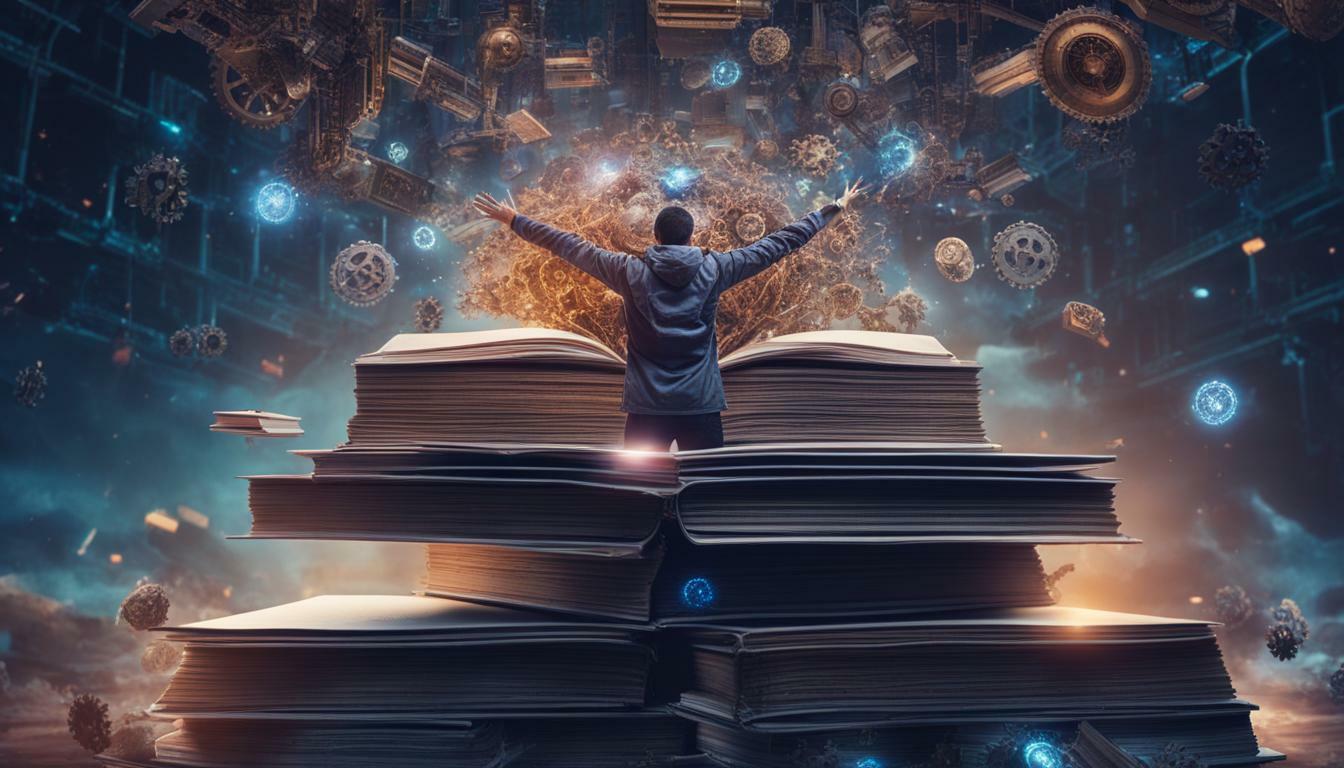
The literary field is currently experiencing an unprecedented transformation, with artificial intelligence emerging as one of the most significant challenges facing writers and creators. Amid rapid technological advancements, the question arises: can machines steal the 'wonder' of the moment from the storyteller?
Concerns are growing that artificial intelligence may threaten the creative identity of literature, as it is now capable of producing texts characterized by intelligence and depth, raising worries among writers about their future and status in a world moving towards automation.
Event Details
In recent years, we have witnessed a remarkable development in artificial intelligence technologies, where systems have become capable of writing literary texts of high quality. These technologies, such as large language models, utilize complex algorithms to analyze texts and generate new content. However, the question remains whether these texts can convey human emotions and experiences as human writers do.
Opinions vary regarding the impact of artificial intelligence on literature. While some critics believe that this technology could open new avenues for creativity, others argue that it may lead to the erosion of literary identity and diminish the role of the writer. In this context, discussions about the ethics associated with using artificial intelligence in writing become prominent.
Background & Context
Historically, literature has undergone many transformations due to technological advancements. From the invention of printing to the emergence of the internet, each stage has represented a challenge and an opportunity for writers. However, the entry of artificial intelligence represents a qualitative shift, as machines are no longer just tools but are now capable of producing creative content. This shift raises questions about the future of literary writing and the importance of human creativity.
In this context, writers and creators must consider how to adapt to these changes. They need to explore new ways to express their thoughts and feelings while leveraging technology without losing the essence of creativity.
Impact & Consequences
If artificial intelligence continues to advance, it could lead to radical changes in how literature is produced and consumed. This may result in the emergence of a new type of writing, where human texts intertwine with those produced by machines. This overlap could create new literary experiences, but it may also raise concerns about authenticity and intellectual property.
Moreover, artificial intelligence may impact the literary job market, potentially reducing opportunities for traditional writers. This situation requires creators to think about how to maintain their status in a world moving towards automation.
Regional Significance
In the Arab world, where literature faces multiple challenges, artificial intelligence may have a particular impact. It could contribute to enhancing writing in Arabic by providing new tools for creators. However, we must be cautious of potential risks, such as the loss of authenticity and cultural diversity.
Arab writers should cautiously harness this technology while preserving their cultural and creative identity. The challenge lies in how to integrate artificial intelligence into the creative process without compromising the human values that form the essence of literature.
In conclusion, artificial intelligence represents both a challenge and an opportunity for writers and creators. They must embrace this technology carefully, maintaining the essence of human creativity that machines cannot replicate. The literary future depends on how we navigate these changes.