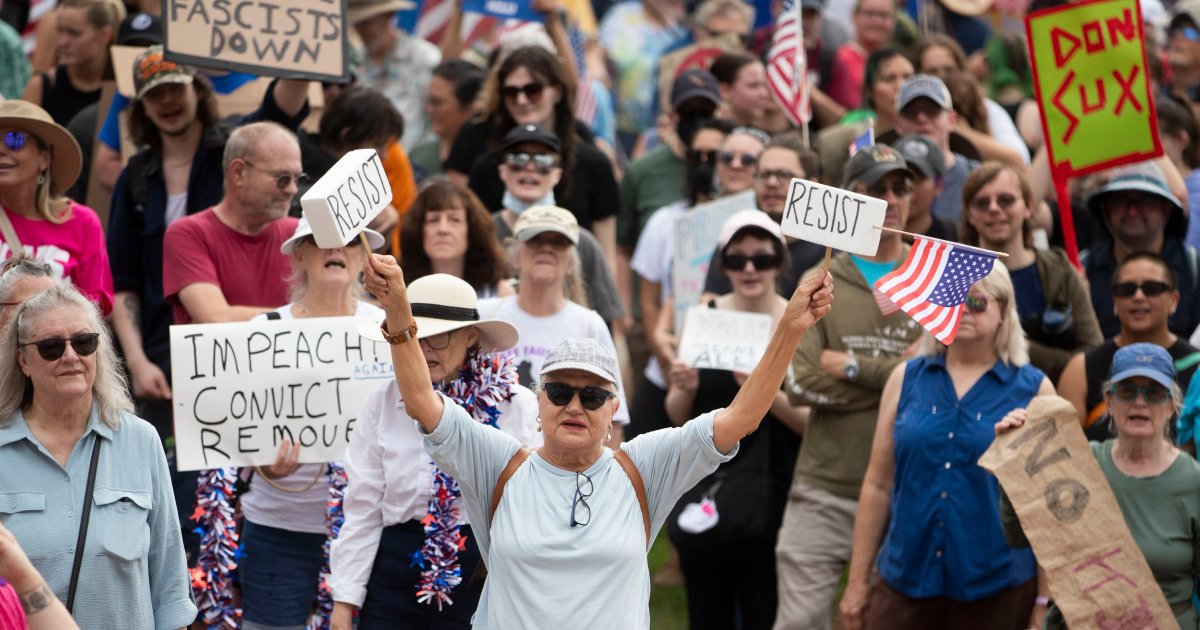
On March 28, 2026, a number of prominent Hollywood artists led the 'No Kings' protests that swept across the United States, where art and politics converged in a majestic scene, transforming songs and words into direct tools of resistance against current policies. These protests, featuring widespread participation from famous artists, reflect a collective response to a range of pressing issues.
In New York, actor Robert De Niro took the lead in the march, playing a pivotal role in organizing and delivering speeches. De Niro described the protests as a "collective cry," calling for the rejection of what he termed "unnecessary wars" that drain resources and sacrifice lives, in a clear reference to the war on Iran. De Niro was not the only artistic voice; actress Jane Fonda participated, having led intensive media efforts in the days leading up to the protest, appearing on several political programs to promote participation.
Event Details
In Washington, the event transformed into an artistic platform titled "Artists United for Our Freedom," where singers Joan Baez and Maggie Rogers performed in front of thousands of attendees. Both actor Billy Porter and poet Ruby Cor delivered words that combined artistic performance with political discourse, adding a distinctive character to the protests.
In Minnesota, singer Bruce Springsteen dominated the music scene, presenting his song "Minneapolis Streets" against a direct political backdrop. During his performance, he delivered a clear political speech, stating that what is happening represents a "reactive nightmare" that will not last, and that the strength of the local community represents a response to this trajectory.
Background & Context
The protests came as part of a broad wave that included over 3,200 locations across all fifty U.S. states, in the third round of the 'No Kings' movement that began in June 2025. This movement, which has successfully attracted millions of participants, reflects a shift from an urban phenomenon to a national wave that transcends traditional political maps.
In New York, crowds stretched into the tens of thousands across Manhattan streets, while large gatherings were witnessed in Washington at the "National Mall," with parallel protests occurring in cities like Dallas, Los Angeles, and Philadelphia, extending even to small towns. Despite the notable artistic character, the political motives were clear, as the protests were a rejection of a policy package that includes the war on Iran, which entered its fourth week, and strict immigration policies.
Impact & Consequences
In Minnesota, demonstrators carried images of citizens killed in operations carried out by federal entities, while protesters in Washington chanted against the war, deeming it "unnecessary." Participants also expressed their anger over taxpayer money being used to fund foreign conflicts at a time when citizens are suffering from economic crises. This discourse was echoed in several cities, giving the protests an economic dimension alongside their political one.
While most events were peaceful, some cities experienced tensions, with clashes erupting in Dallas between demonstrators and counter-groups, while security forces in Los Angeles used tear gas after incidents of vandalism against federal buildings, resulting in several arrests.
Regional Significance
Hollywood's history of influencing pivotal political moments reflects the importance of art in shaping public opinion. Since the 1960s, artists have participated in protest movements against wars, highlighting their role in raising political awareness. This influence also extends to the Arab world, where these protests reflect global issues affecting communities, such as wars and conflicts.
In conclusion, the 'No Kings' protests reflect a growing political awareness among artists and citizens, as art transcends the boundaries of entertainment to become an effective tool in confronting unjust policies. This movement may open new horizons for social and political change in the United States and could inspire similar movements in other parts of the world.