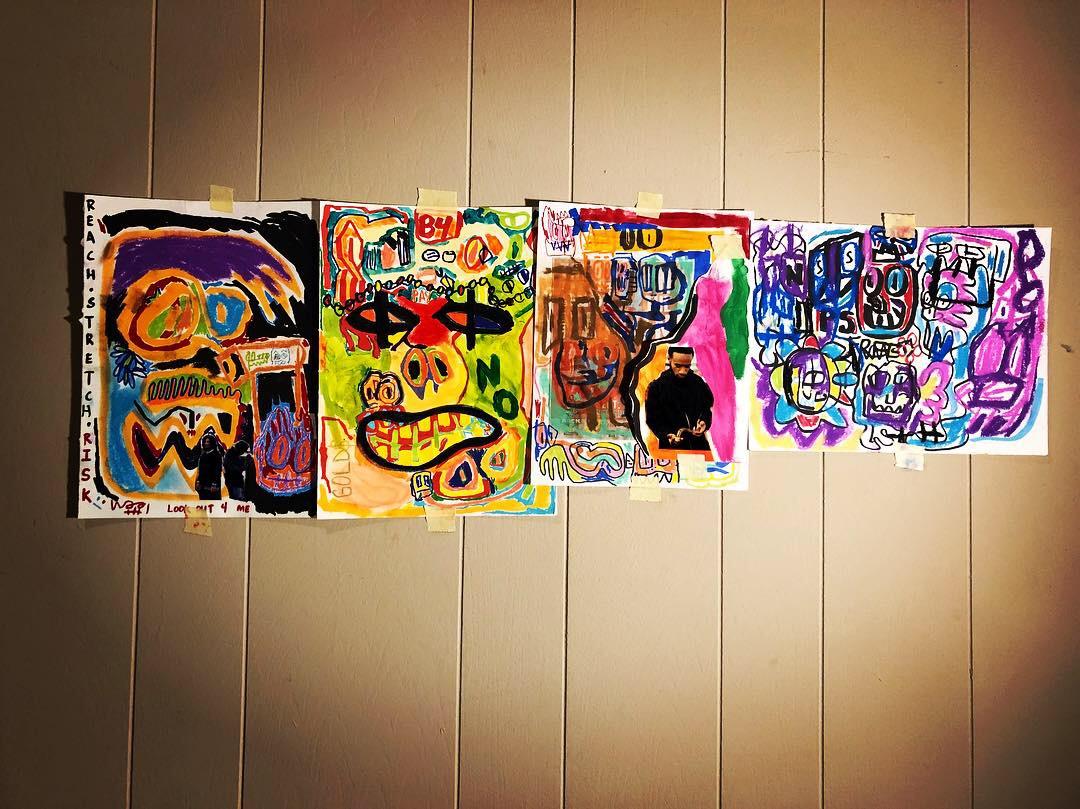
The arts play a crucial role in promoting social integration and empowering people with disabilities, as they find in fields such as painting and theater spaces for self-expression. These initiatives reflect the importance of the arts as a means of communication and interaction with society.
Efforts are increasing in many Arab countries to provide suitable environments for people with disabilities, allowing them the opportunity to participate in artistic and cultural activities. Through these activities, individuals can develop their skills and showcase their talents, contributing to changing the negative stereotypes about them.
Event Details
Recently, a series of artistic events targeting people with disabilities were organized, where they participated in workshops for painting and theater. These events are not merely recreational activities but are genuine platforms for self-expression and self-confidence enhancement. Psychological and social support was also provided to participants, helping them overcome the challenges they face.
These events also included theatrical performances presented by people with disabilities, showcasing their skills in acting and directing. These performances received positive feedback from the audience, reflecting the creative and innovative abilities of these individuals.
Background & Context
Historically, the arts were considered a closed field for people with disabilities, lacking sufficient awareness of their capabilities. Over time, communities began to recognize the importance of integrating these individuals into cultural and artistic activities. This shift reflects a positive change in social perceptions towards people with disabilities, as they have become an integral part of the cultural fabric.
Many non-governmental organizations and governments are striving to promote this trend through specialized educational and training programs. These programs aim to provide the necessary skills for people with disabilities, enabling them to participate actively in society.
Impact & Consequences
These initiatives emphasize the importance of the arts as a means of social change. By empowering people with disabilities, the concepts of inclusivity and equality in society are enhanced. Additionally, these events contribute to raising awareness about disability issues, leading to improved living conditions for these individuals.
Moreover, the participation of people with disabilities in the arts can inspire others and motivate them to work towards achieving change. These experiences foster a spirit of cooperation and interaction among all community members, contributing to building a more inclusive society.
Regional Significance
These initiatives serve as a model in the Arab region, contributing to changing traditional concepts about people with disabilities. Through the arts, these individuals can express themselves and contribute to local culture.
Enhancing the arts as a means of social integration can have positive effects across the region, inspiring other countries to adopt similar policies. This approach reflects a new vision for a more inclusive and diverse future.
In conclusion, the arts are not just a means of expression but a powerful tool for integration and empowerment. By supporting people with disabilities in the arts, we can build a more inclusive and accepting society for all.