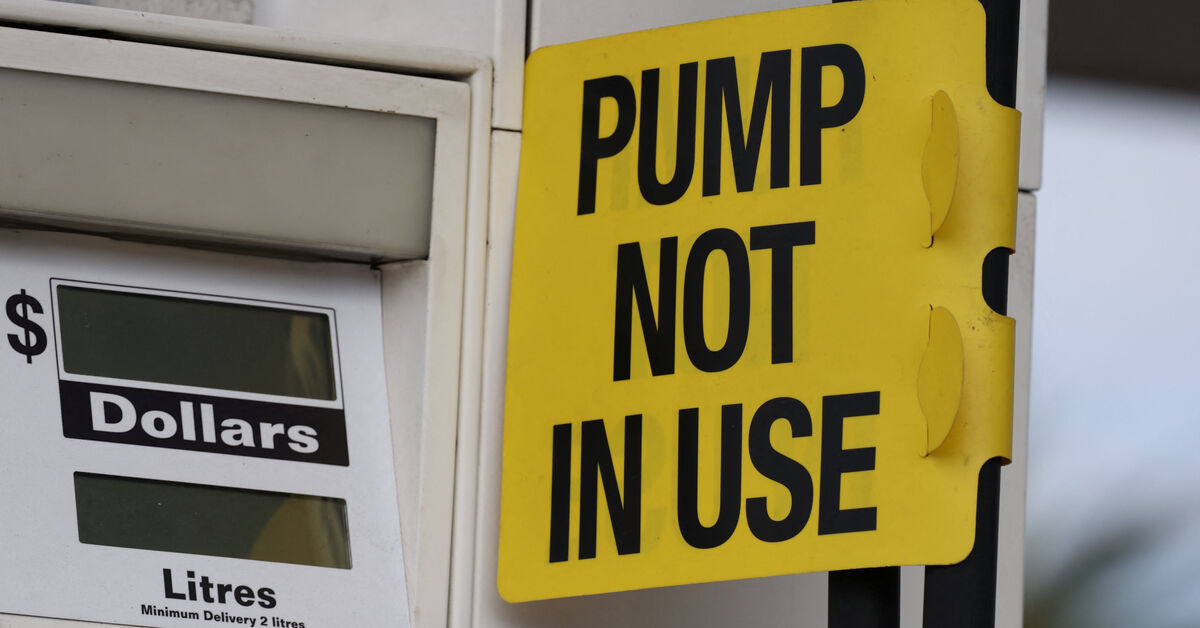
Asian countries are working to confront a severe energy supply shortage, as Indonesia's leader visited Tokyo this week as part of heightened efforts to exchange fuel. These moves come at a time when the Middle East, a major energy source for the region, is experiencing conflicts that significantly impact supplies.
Efforts in the region are accelerating to seek alternative energy sources, especially after China, the world's second-largest economy, imposed restrictions on fuel exports. Meanwhile, countries like South Korea and Thailand are looking to benefit from the lifting of U.S. sanctions on Russian energy as a temporary measure to compensate for the shortfall.
Details of the Event
The Indonesian leader's visit to Tokyo is part of intensive discussions among Asian nations on how to address the energy crisis. Indonesia is considered one of the largest energy producers in the region and may seek to expand its partnerships with Japan and other countries to secure energy supplies.
These efforts include fuel and resource exchanges, as Asian countries aim to enhance their cooperation in the energy sector to reduce reliance on traditional energy sources affected by conflicts.
Background & Context
Historically, the Middle East has been regarded as a major hub for global energy supplies, with many Asian countries relying on oil and natural gas imported from this region. As conflicts in the Middle East escalate, it has become essential for Asian nations to seek alternatives to ensure stable energy supplies.
In recent years, relations among Asian countries have evolved significantly, with nations beginning to strengthen cooperation in various fields, including energy. This collaboration can help address supply challenges arising from political crises.
Impact & Consequences
These moves could lead to significant changes in the global energy market, as restrictions imposed by China on fuel exports may increase demand for energy from other countries. Additionally, lifting sanctions on Russian energy could open avenues for further cooperation between Asian nations and Russia.
These developments are also economically significant, as they could impact global energy prices and reshape the supply landscape. Furthermore, enhancing cooperation among Asian countries may contribute to greater stability in the market.
Regional Significance
Arab countries are directly affected by these developments, as the Middle East is one of the largest energy sources in the world. Any changes in energy supplies or prices could significantly impact the Arab economy.
Moreover, strengthening cooperation among Asian countries could open new horizons for trade and investment in the energy sector between Arab nations and Asia, potentially contributing to sustainable development in the region.
In conclusion, these moves in Asia represent a vital response to the challenges facing global energy supplies. As conflicts in the Middle East continue, cooperation among Asian countries in the energy sector remains essential to ensure market stability.