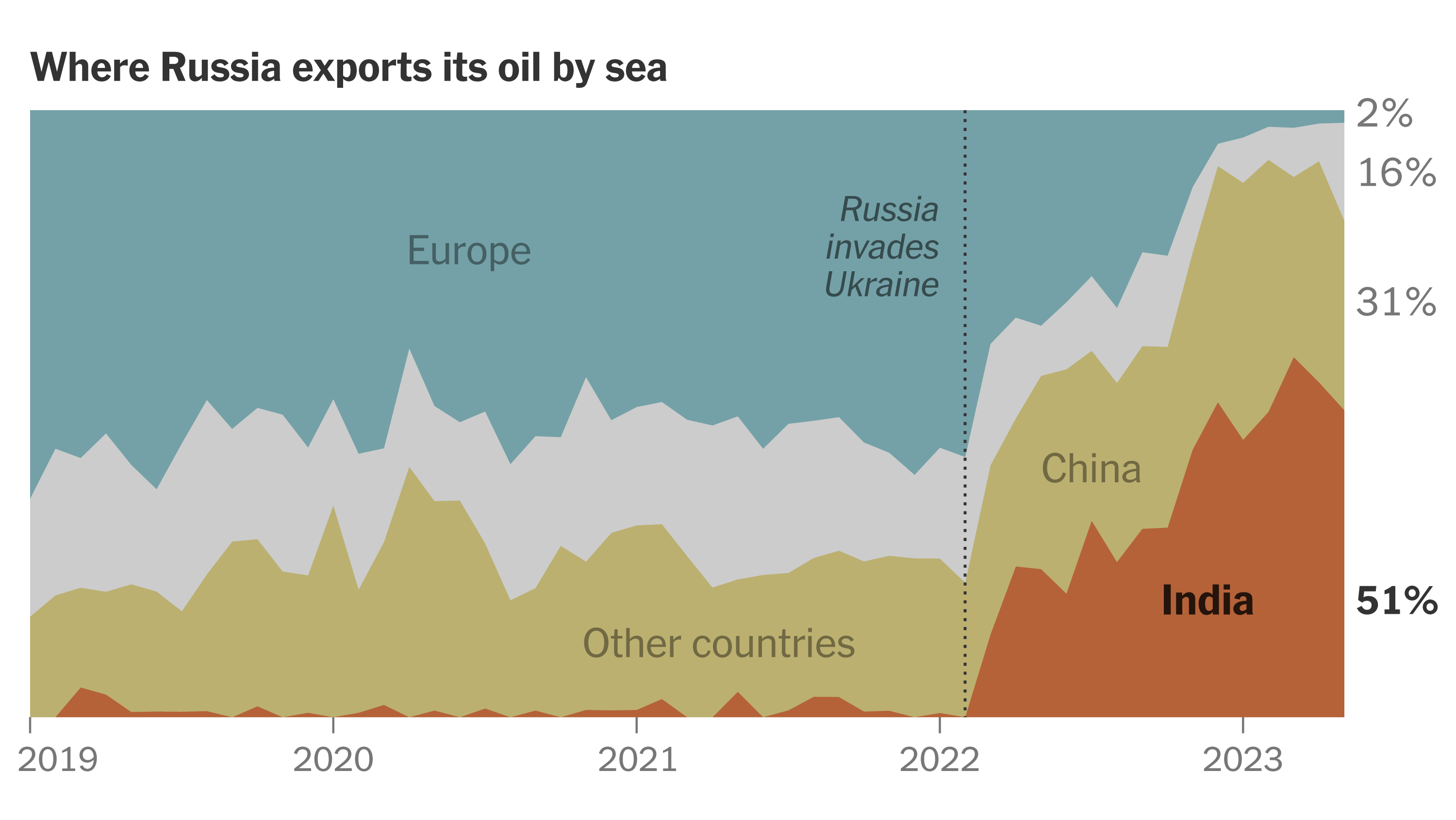
Asian nations facing energy shortages are capitalizing on US sanctions exemptions to purchase Russian oil, driven by escalating crises from the war in Iran. This strategic move comes at a critical time as global energy market pressures intensify.
These countries, grappling with severe energy supply shortages, are seizing the opportunity to buy Russian oil at competitive prices, enabling them to meet their growing energy needs. This shift in purchasing strategies is part of their efforts to fill gaps caused by regional conflicts.
Event Details
Reports indicate that several Asian countries, including China and India, have begun increasing their purchases of Russian oil, taking advantage of the exemptions from sanctions imposed by the United States on certain nations. These exemptions allow these countries to buy Russian oil without facing economic penalties, facilitating their access to essential energy supplies.
This move comes at a time when global markets are experiencing sharp fluctuations in oil prices due to political crises and armed conflicts affecting oil production in various regions worldwide. Given the current situation, it appears these countries have no choice but to seek alternative sources to secure their energy needs.
Context and Background
Historically, Asian countries have heavily relied on oil imported from the Middle East, but with rising tensions in the region, including the war in Iran, these nations are facing significant challenges in securing their supplies. The war in Iran has led to reduced production and increased prices, prompting these countries to look for alternatives.
In recent years, Asian nations have turned to Russia as an alternative oil source, especially after Russia demonstrated its willingness to offer competitive prices. This shift also reflects the geopolitical changes in the region, as Asian countries seek to reduce their dependence on traditional energy sources.
Implications and Effects
This shift in purchasing strategies has significant implications for global energy markets. The increased demand for Russian oil may lead to rising prices in global markets, affecting other importing countries. Additionally, this situation could strengthen economic ties between Russia and Asian nations, enhancing Russia's influence in the region.
Moreover, this scenario may exacerbate tensions between Western nations and Russia, as Western countries will view this move as a challenge to their efforts to impose sanctions on Russia. Consequently, this could escalate geopolitical conflicts in the region.
Impact on the Arab Region
The Arab region is directly affected by these developments, as Arab countries are among the largest oil producers in the world. The increased demand for Russian oil could impact global oil prices, which may reflect on Arab economies that heavily rely on oil revenues.
Furthermore, the rising tensions in energy markets may increase pressure on Arab nations to secure their energy supplies, potentially prompting them to seek new partnerships in the energy sector. Under these circumstances, Arab countries must be prepared to adapt to changes in global energy markets.
In conclusion, amid the escalating crises in energy markets, it seems that Asian countries have found a temporary solution in Russian oil to meet their needs. However, this shift carries significant implications for the global economy, and Arab nations must tread carefully in navigating these changes.