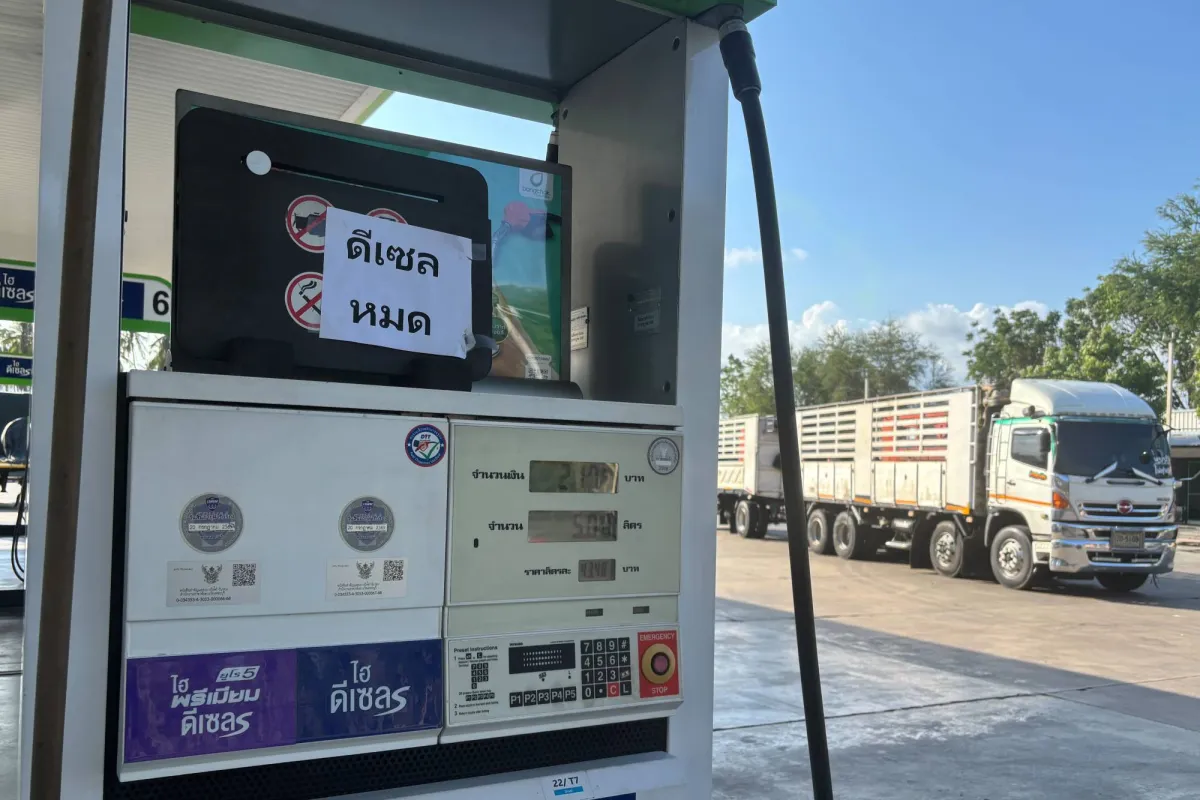
Asian nations reliant on oil imports are facing a severe supply crisis, prompting a return to Russian crude as an emergency option. This shift occurs amid ongoing Iranian conflict and disruptions in supply through the Strait of Hormuz, where regional capitals have found no alternative but to exploit the "temporary exemption" granted by Washington from sanctions on Moscow to secure their vital fuel needs.
The decision by countries like the Philippines and South Korea to turn to Russian oil is not a strategic choice but rather an "extraordinary emergency measure." The Philippine company Petron, which operates the country's only refinery, announced the receipt of two shipments of Russian crude (ESPO) for the first time since 2021, confirming that the purchase was made "due to extreme necessity" after exhausting all available commercial alternatives, according to the Financial Times.
Details of the Situation
In South Korea, which is undergoing a severe energy rationing campaign, the first shipments of Russian naphtha used in plastic and gasoline production arrived at Daesan port. Korean companies are racing to complete unloading operations and payments before the expiration of the "U.S. exemption" on April 11. The wave of returning to Russian oil is not limited to ports that have already received shipments; in Sri Lanka, the state-owned Ceylon Petroleum Corporation confirmed it is in negotiations with Russian energy companies, while Vietnam's Binh Son Refining and Petrochemical is having similar discussions. Thailand and Indonesia have also expressed openness to purchasing, driven by the "surprise tax" imposed by the war on their budgets.
John Guo, senior oil market analyst in Singapore, stated: "These countries are completely desperate now, and Russia is the only option left. If someone offers you oil while you are in a panic, how can you refuse?"
Background & Context
While other Asian countries are cautiously returning, India and China have seized the opportunity to boost their imports; Indian refiners' purchases of Russian crude jumped from 1 million barrels per day in February to 1.9 million barrels by the end of March. The Reliance Group, owned by Mukesh Ambani (Asia's richest man), has aggressively entered the import line after previously halting under U.S. pressure. Data indicates that India has begun paying a price premium nearing 5% above prevailing prices to ensure that Russian shipments heading to China are redirected to its ports, reflecting the intense competition for Moscow's barrels.
The U.S. decision to grant a 30-day exemption from sanctions on Russian oil was an attempt to contain the skyrocketing prices; Brent crude surged by 63% in March alone, marking its highest monthly increase in decades, trading above $118 per barrel. While this move provides Moscow with substantial cash flows to fund its war effort, the White House views it as a "necessary evil" to calm global markets that have been paralyzed after the closure of the Strait of Hormuz, through which a third of the world's fertilizers and most of the crude supplies to Southeast Asia pass.
Impact & Consequences
Philippine President Ferdinand Marcos Jr. summarized the scene by stating: "We are looking at everything, and no option is off the table." With severe austerity measures imposed in Asia, including reduced working days, remote work, and expanded fuel support, it seems that "sanction-stigmatized" Russian oil has turned into the "only savior" for economies that had refused to touch it just weeks ago.
The growth of the manufacturing sector in the Eurozone rebounded to its strongest level in nearly four years in March, as supply chain disruptions inflated growth figures, although underlying demand remained weak. The conflict in the Middle East has disrupted global logistics networks, causing delivery delays that artificially boosted key growth indicators and pushed input price inflation to its highest level since October 2022.
Regional Significance
As pressures mount on Asian countries, the Arab region remains on alert for the developments in global oil markets. Any increase in oil prices could directly impact the economies of Arab nations, which heavily rely on oil revenues. Furthermore, the ongoing conflict in the Middle East reflects additional challenges to market stability, necessitating new strategies to address economic crises.
In conclusion, the return of Asian countries to Russian oil is not merely an emergency option but reflects a shift in global market dynamics amid successive crises. As tensions in the region persist, the question remains about how this will affect economic stability worldwide.