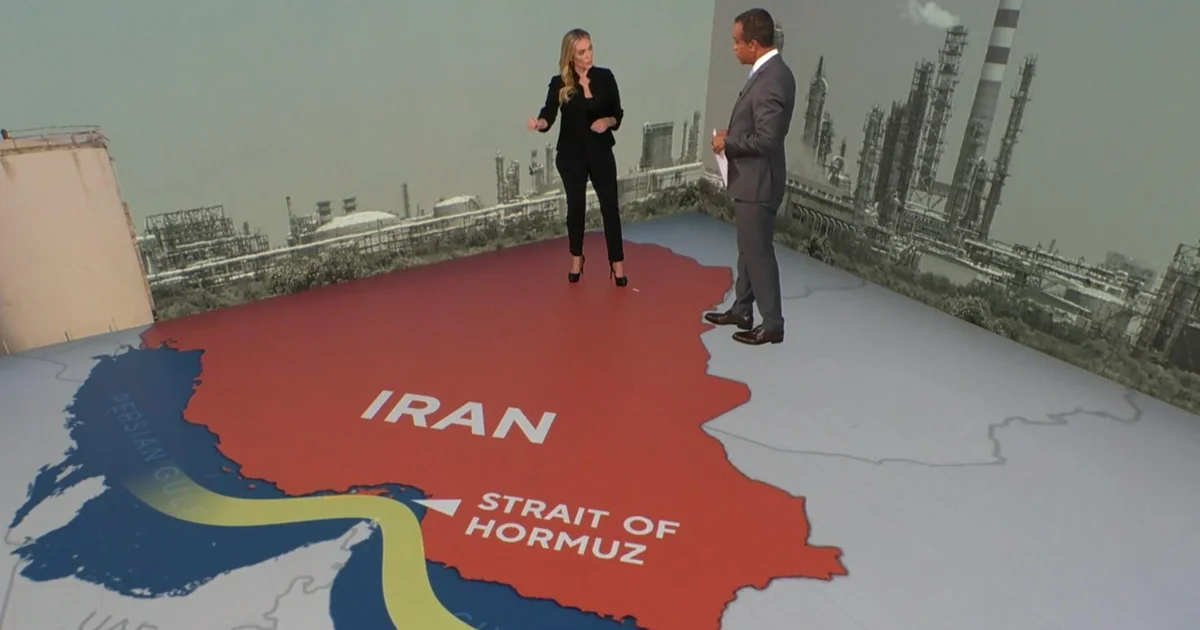
Asian-Pacific financial markets fell on Tuesday as investors continued to assess developments in the U.S.-Iran conflict, leading to a significant rise in oil prices. This decline followed U.S. President Donald Trump's threats to destroy Iranian oil facilities and power plants if the vital Strait of Hormuz remained closed.
Trump's statements came as the conflict with Iran entered its fifth week, with the U.S. administration considering sending ground troops to seize Khark Island, a key center for Iranian oil exports, facilitating 90% of Iran's crude oil exports.
Event Details
Shipping traffic through the Strait of Hormuz, which previously accounted for one-fifth of global oil before the conflict, has been significantly affected, nearly halting since the U.S. and Israel launched strikes on Iran on February 28. In this context, oil prices surged, with West Texas Intermediate crude rising over 3% to settle just below $103 per barrel, while Brent crude contracts increased by 0.19% to close at $112.78 per barrel.
In Asian markets, the S&P/ASX 200 index in Australia fell by 0.12%, while Japan's Nikkei 225 index dropped by 0.84%, and South Korea's Kospi index declined by 2.4%, reflecting the prevailing anxiety among investors.
Background & Context
Historically, the Middle East has witnessed numerous conflicts that have impacted global markets, with the Strait of Hormuz being one of the most crucial waterways in the world, through which a significant percentage of oil exports pass. The current tensions arise in the context of escalating hostilities between the U.S. and Iran, rooted in several years of sanctions and mutual threats.
Iran is a key player in the global oil market, and any disruptions in its production or exports can significantly affect global prices. Additionally, the ongoing conflict in the region has direct implications for the global economy, especially given that many countries rely on Iranian oil.
Impact & Consequences
Financial markets expect that Trump's aggressive statements will lead to further disruptions, as rising oil prices could increase inflation in many countries. Furthermore, the continuation of the conflict may drive investors to seek safe havens, negatively impacting financial markets.
At the same time, U.S. Federal Reserve Chairman Jerome Powell confirmed that inflation expectations remain under control despite rising energy prices, indicating that the central bank does not need to raise interest rates at this time. This statement may alleviate some market concerns, but ongoing tensions could quickly alter this situation.
Regional Significance
The current developments in the U.S.-Iran conflict are particularly significant for Arab countries, as any escalation could impact the overall stability of the region. Gulf states, which heavily rely on oil exports, may be directly affected by rising prices or any disruptions in Iranian production.
Moreover, regional tensions could exacerbate political divisions among Arab states, complicating efforts for regional cooperation. It is crucial for Arab countries to remain vigilant regarding these developments and to work on enhancing their economic and political stability.