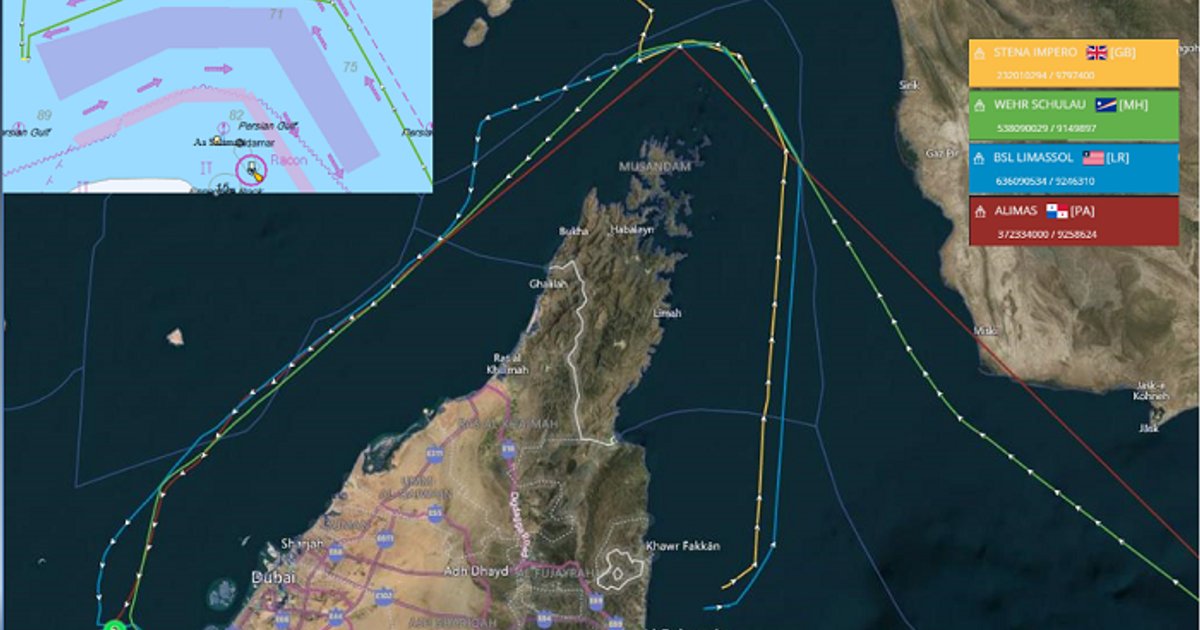
Multiple Asian countries are seeking greater influence to open the Strait of Hormuz, responding to a call from U.S. President Donald Trump. This initiative comes at a time when the region is suffering from increasing economic turmoil, raising questions about regional stability and maritime security.
Reactions among Asian nations vary, with each country adopting a different approach to try to influence the situation in this vital strait. The Strait of Hormuz is a major transit point for oil and gas, accounting for approximately 20% of total global oil supplies.
Details of the Event
Reports indicate that Trump's call is part of U.S. efforts to enhance maritime security in the region, where shipping in the Strait of Hormuz faces increasing threats from armed groups. Asian countries, such as Japan and South Korea, are seeking to bolster their military and economic presence in the region to ensure the continued flow of energy.
At the same time, some countries are suffering economic repercussions due to disruptions in global oil markets, prompting them to seek alternative solutions. For instance, India is looking to strengthen its relations with oil-producing countries in the Arabian Gulf to ensure stable supplies.
Context and Background
Historically, the Strait of Hormuz is considered one of the most important maritime passages in the world, through which a large portion of global oil supplies flows. The strait has witnessed several crises in the past, including military conflicts and political tensions, which have impacted global oil prices and energy security.
In recent years, tensions between the United States and Iran have escalated, increasing concerns about the safety of navigation in the strait. These tensions have led to calls from some Asian countries to enhance their presence in the region in an attempt to secure their economic interests.
Impact and Consequences
The potential consequences of opening the Strait of Hormuz are manifold, as it could lead to increased stability in global oil markets, benefiting oil-dependent economies. However, any escalation of tensions could have the opposite effect, significantly impacting oil prices due to any potential military escalation.
Moreover, enhancing the military presence of Asian countries in the region could increase tensions with Iran, which may negatively affect relations between these countries and Tehran. Thus, any steps taken by Asian nations must be carefully considered to avoid escalation.
Impact on the Arab Region
Arab countries in the Arabian Gulf are among the most affected by the situation in the Strait of Hormuz, as their economies heavily rely on oil exports. Any changes in the security situation in the strait could directly impact oil prices, reflecting on Arab economies.
Furthermore, strengthening cooperation between Asian countries and Arab states in the energy sector could open new avenues for economic collaboration, contributing to regional stability. Under these circumstances, Arab nations must remain vigilant and adopt effective strategies to address future challenges.