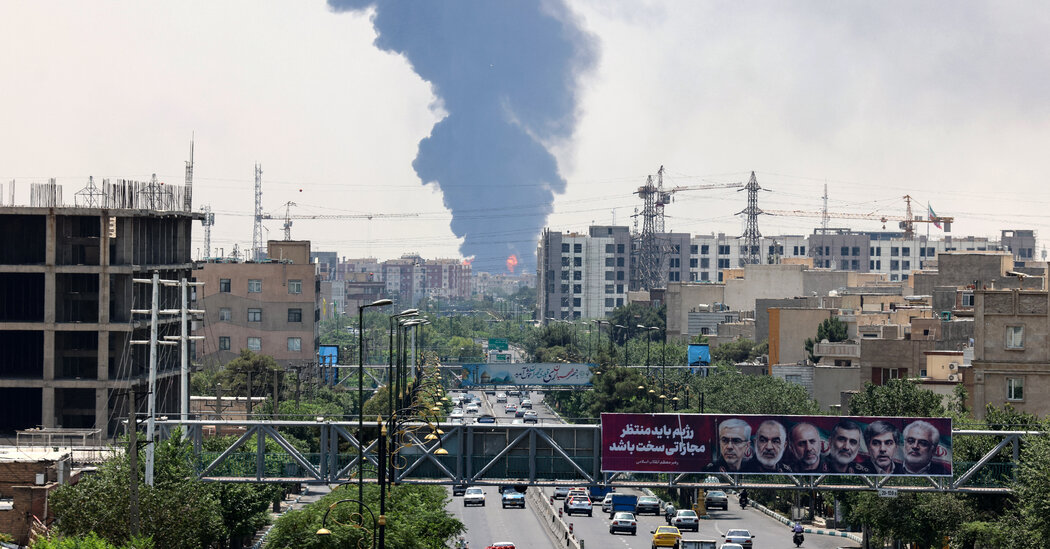
Asian countries, eager for oil, are turning to Russian crude due to increasing supply pressures from ongoing conflicts in Iran. This shift comes as markets face sharp price fluctuations, heightening the importance of seeking reliable alternatives to meet energy needs.
Reports indicate that several Asian nations, including China and India, have already begun expanding their partnerships with Russia to secure crude oil. This transition occurs against the backdrop of the ongoing war in Iran, which has significantly impacted oil supplies in the region, prompting Asian countries to seek alternative sources to meet their growing demands.
Details of the Situation
Global oil markets are under increasing pressure, as conflicts in the Middle East have led to sharp price fluctuations. With escalating tensions in Iran, Asian countries have started exploring new options for oil procurement, making Russia an attractive choice. Forecasts suggest that demand for Russian oil may rise significantly in the coming months as Asian nations strive to secure their supplies under current conditions.
China and India are among the largest oil importers in the world, and both countries have shown a growing interest in collaborating with Russia in this sector. Officials from both nations have indicated that acquiring Russian oil could help reduce reliance on other oil sources, thereby enhancing energy security.
Background & Context
Historically, the Middle East has been considered a major center for oil production, with countries like Iran, Iraq, and Saudi Arabia controlling a significant portion of global oil reserves. However, ongoing conflicts in the region, including the war in Iran, have led to a decline in confidence regarding supply stability. In recent years, Asian countries have begun searching for alternatives to meet their increasing energy needs.
Russia is one of the largest oil producers in the world and has managed to strengthen its relationships with several Asian countries. In recent years, Russia has increased its oil exports to China and India, which has helped bolster economic cooperation between these nations.
Impact & Consequences
This shift in oil sources could have significant implications for global markets. If demand for Russian oil continues to rise, it could lead to increased prices, impacting the global economy. Additionally, this transition may enhance Russia's position in the global market, increasing its ability to influence global energy policies.
Moreover, increased reliance on Russian oil may lead to changes in political and economic relations between Asian countries and Russia. Asian nations may seek to strengthen their partnerships with Russia, potentially affecting the balance of power in the region.
Regional Significance
Arab countries, particularly those that are oil producers, find themselves in a sensitive position amid these developments. Increased reliance on Russian oil could reduce demand for Arab oil, impacting the economic revenues of these nations. This shift may also intensify competition among oil-producing countries in the region.
In light of these circumstances, Arab nations must consider new strategies to enhance their positions in the global oil market. This may require strengthening cooperation among Arab countries and developing renewable energy sources to reduce reliance on traditional oil.