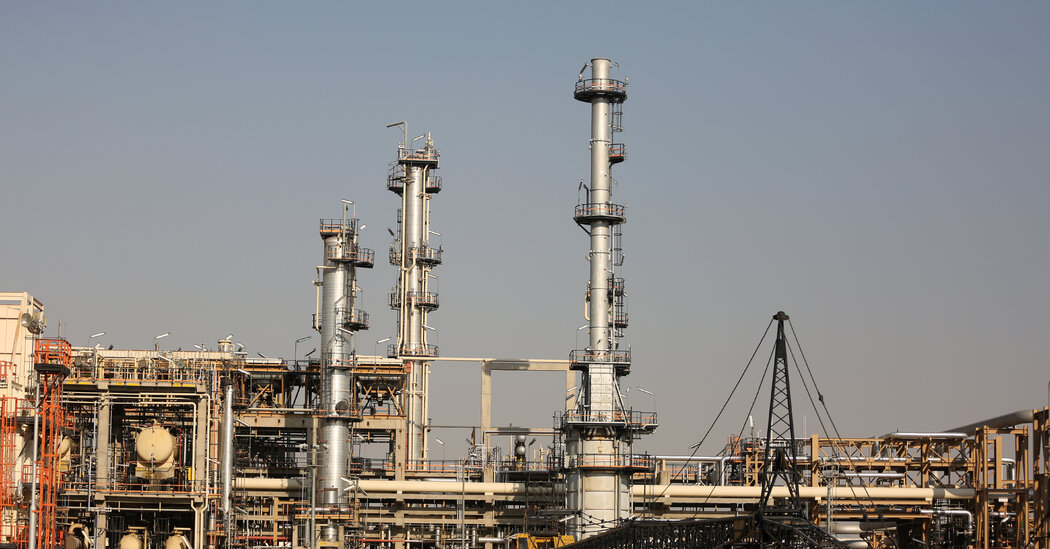
Asian stock markets have seen a significant decline as oil prices surged due to escalating tensions in Iran. This downturn follows a similar drop on Wall Street last week, raising concerns about the war's impact on the global economy.
Japanese stocks closed lower, with the Nikkei index falling by 1.5%, while the Hang Seng index in Hong Kong dropped by 2%, reflecting growing fears about the regional conflict's repercussions on financial markets.
Details of the Event
These developments come at a sensitive time, as the region experiences a rise in military tensions, leading to a significant increase in oil prices. Crude oil prices have risen by 4% over the past few days, adding further pressure on a global economy already struggling with the aftermath of the COVID-19 pandemic.
The rise in oil prices is one of the main factors affecting financial markets, as it leads to increased production and transportation costs, negatively impacting corporate profits and heightening inflation risks.
Background & Context
Historically, the Middle East has always been a center for political and military tensions, where economic and political interests intersect. The current conflict in Iran is part of a series of disputes that have plagued the region, leading to fluctuations in oil prices and impacts on global markets.
In recent years, global financial markets have experienced significant volatility due to geopolitical events, where any escalation in conflicts can lead to swift reactions from investors, resulting in stock declines and increases in commodity prices like oil.
Impact & Consequences
Analyses suggest that the ongoing conflict in Iran could lead to increased instability in financial markets, potentially affecting global economic growth. Additionally, rising oil prices may pressure oil-importing countries, increasing living costs and impacting citizens' purchasing power.
Moreover, these conditions could increase pressures on central banks, which may find themselves compelled to take stringent measures to combat rising inflation, affecting interest rates and economic growth.
Regional Significance
Arab countries are among the most affected by fluctuations in oil prices, as many of their economies heavily rely on oil revenues. If prices continue to rise, some oil-producing nations may benefit, while importing countries will suffer from increased costs.
In this context, Arab nations must be prepared to address the ramifications of the conflict in Iran, either by enhancing economic cooperation or by taking measures to mitigate the effects of rising oil prices on their citizens.
The ongoing events in Iran highlight the importance of stability in the region and its impact on the global economy. Investors and decision-makers must stay informed about ongoing developments and take proactive steps to adapt to these changes.