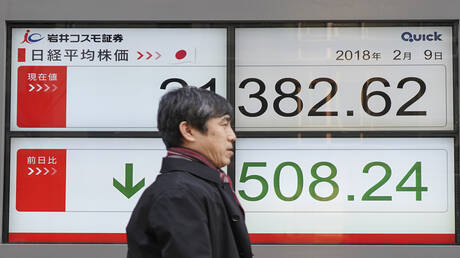
Asian stocks experienced a notable rise today, with investors showing optimism regarding the possibility of a reduction in the intensity of the conflict in the Middle East. This uptick comes in spite of threats from U.S. President Donald Trump to attack Iranian infrastructure, indicating a market desire for stability and calm.
Investors reacted positively to encouraging news suggesting the potential for diplomatic solutions to the ongoing conflict. Such news has bolstered confidence in financial markets, leading to increases in stock indices across various Asian countries.
Stock Market Details
Stock indices in Japan and South Korea rose, with Japan's Nikkei index climbing by 1.5%, while South Korea's KOSPI index saw an increase of 1.2%. Chinese stocks also recorded significant gains, reflecting investor optimism in the region.
Despite the political tensions, financial markets are responding positively to any signs indicating the possibility of agreements aimed at easing the conflict. This rise in stocks serves as an indicator of investors' willingness to seek new opportunities under the current circumstances.
Background & Context
These developments coincide with escalating tensions in the Middle East, where fears of a potential military escalation between the United States and Iran have increased. Such tensions have led to significant volatility in global financial markets, making investors more cautious.
Historically, financial markets have been greatly affected by political events in the Middle East, which is a major hub for numerous conflicts. However, any signs of de-escalation could lead to a rapid recovery in the markets.
Impact & Consequences
These developments are expected to significantly impact global financial markets. If positive news continues, we may witness further stock increases, which could enhance confidence in the global economy. However, any new escalation could lead to a sharp decline in the markets.
This situation may also affect oil prices, which are highly sensitive to tensions in the Middle East. Any changes in oil prices could have a widespread impact on the global economy, making it essential to closely monitor these developments.
Regional Significance
Arab markets are also part of this landscape, as tensions in the Middle East can influence investments and trade in the region. If conditions continue to improve, we may see a recovery in Arab markets, contributing to economic growth.
In conclusion, financial markets remain under pressure from political tensions, but current optimism may help stabilize them in the short term. It is crucial for investors to stay informed about ongoing political and economic developments in the region.