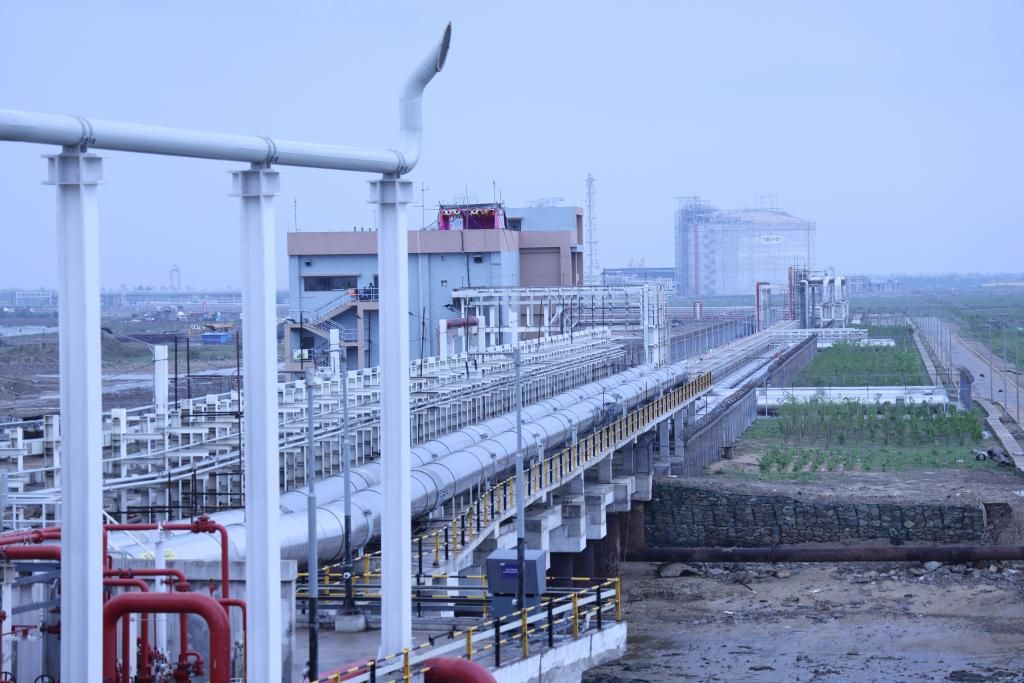
Asia's imports of liquefied natural gas (LNG) have fallen to their lowest levels since 2022, with the region experiencing a significant decline in imported quantities. This downturn comes amid rising regional tensions stemming from the war in Iran, which has greatly affected global energy markets.
According to reports, the war in Iran has led to supply disruptions, contributing to a reduction in the available LNG quantities for export to Asian markets. This situation reflects the challenges faced by gas-importing countries amid volatile geopolitical conditions.
Details of the Event
Data indicates that LNG imports in Asia have decreased significantly, reaching their lowest level since 2022. This decline occurs at a time when many countries are grappling with rising energy prices, increasing economic pressures on consumers and industries.
Asia is one of the largest LNG markets in the world, with many countries relying on these supplies to meet their energy needs. However, political tensions and armed conflicts negatively impact these countries' ability to secure the necessary gas supplies.
Background & Context
Historically, the Middle East has witnessed numerous armed conflicts that have affected energy markets. The war in Iran is not new, but its recent escalation has exacerbated economic conditions in the region. Since 2022, there have been multiple attempts to secure gas supplies, but ongoing tensions hinder these efforts.
Iran is considered one of the largest gas producers in the region, and any disruption in its production or exports directly impacts global markets. In recent years, there have been international efforts to ease tensions, but the results remain insufficient to ensure supply stability.
Impact & Consequences
The decline in LNG imports has widespread implications, leading to rising prices in Asian markets. This situation negatively affects local economies and increases the cost of living for citizens.
Furthermore, this scenario may push countries to seek alternative energy sources, potentially leading to changes in long-term energy strategies. Under these circumstances, some nations may look to enhance their investments in renewable energy or seek new partnerships with other countries to secure gas supplies.
Regional Significance
Arab countries are part of this equation, as many of them rely on gas exports. The decline in gas imports in Asia may affect the demand for Arab gas, potentially leading to lower prices in global markets.
At the same time, some Arab countries may benefit from this situation by boosting their exports to new markets or increasing their investments in energy projects. However, stability in the region is crucial to ensure the sustainability of these investments.
In conclusion, regional tensions and economic challenges remain key factors affecting global energy markets. The current situation requires a coordinated response from the concerned countries to ensure the stability of supplies and prices in the future.