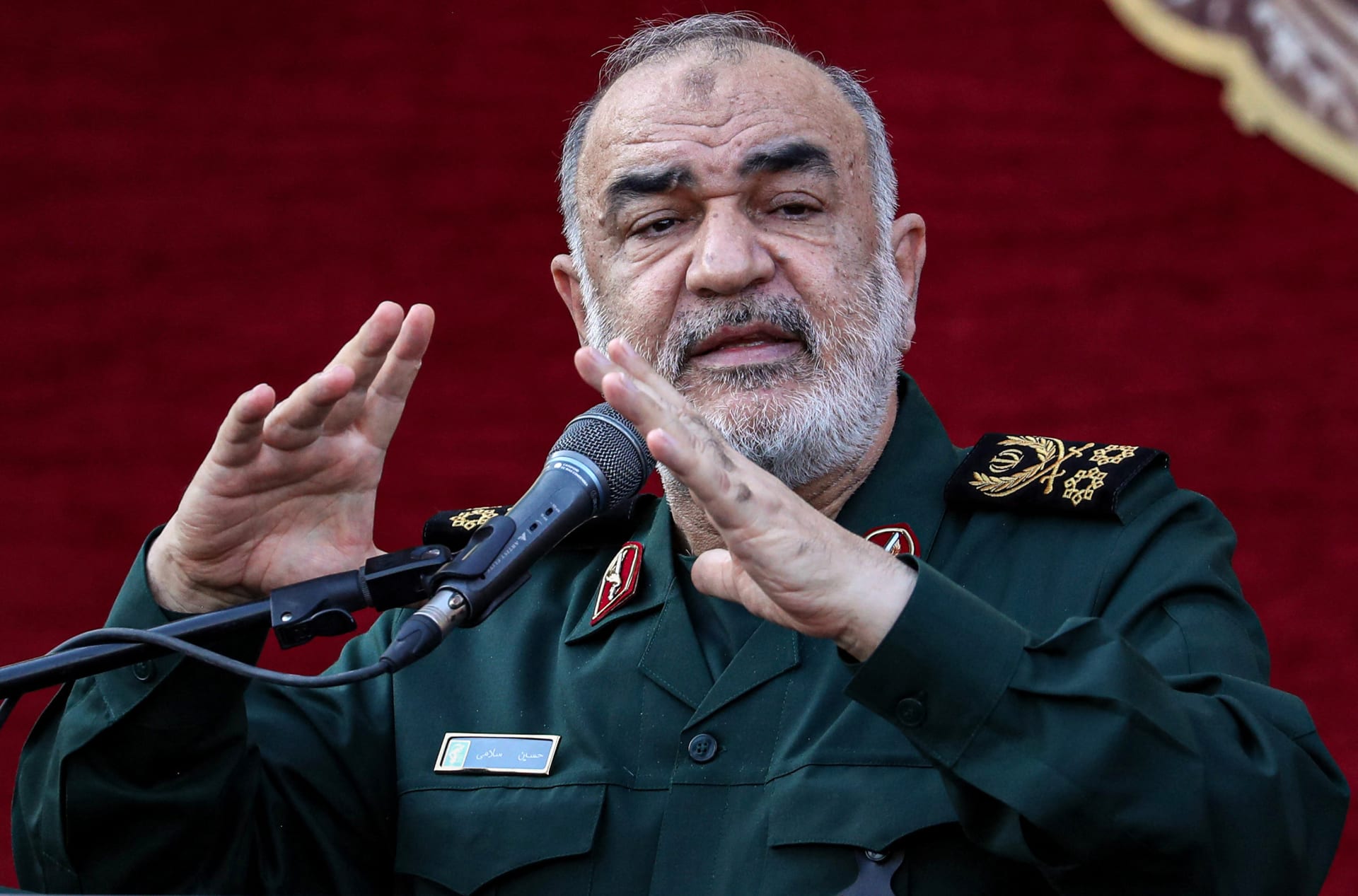
Israeli sources have informed Channel 12 that Iranian Revolutionary Guard Navy Commander Ali Reza Tangsiri has been assassinated in an operation aimed at increasing pressure on Iran. Tangsiri is considered a prominent figure in the Revolutionary Guard, having been responsible for military operations in the Strait of Hormuz, a strategic waterway connecting the Persian Gulf to the Gulf of Oman.
The operation comes at a sensitive time as the region experiences escalating tensions between Iran and the United States and its allies. Tangsiri, who has led the Iranian Navy since 2018, played a key role in enhancing the naval capabilities of the Revolutionary Guard, including the development of defensive and offensive systems in the territorial waters.
Details of the Assassination
Details surrounding the circumstances of Tangsiri's assassination have not yet been disclosed, but reports suggest that the operation may have been executed by advanced intelligence elements. It is believed that this assassination is part of an Israeli strategy aimed at undermining Iranian influence in the region, especially amid rising tensions over Iran's nuclear program.
The Strait of Hormuz is one of the most important waterways in the world, through which approximately 20% of the world's oil passes. Control over this strait means the ability to influence global oil markets, making Tangsiri a pivotal figure in the regional conflict.
Background & Context
Historically, relations between Iran and Israel have seen increasing tensions, particularly after the United States withdrew from the Iranian nuclear deal in 2018. Since then, Israel has intensified its operations against Iranian targets in Syria and Iraq, leading to heightened tensions in the region.
Political assassinations have been part of the Israeli strategy, with numerous Iranian scientists and military leaders targeted in recent years. Tangsiri's assassination is seen as a continuation of this policy and reflects Israel's desire to undermine Iran's ability to carry out military operations in the Gulf.
Impact & Consequences
This assassination is expected to have significant repercussions for regional security. Iran may seek to retaliate for this attack, potentially leading to military escalation in the area. Additionally, this event could impact the stability of oil markets, as concerns about supply disruptions through the Strait of Hormuz may increase.
Iran considers any attack on its military leadership as an assault on its sovereignty, which could drive it to take retaliatory actions. At the same time, this assassination may heighten tensions between Iran and Western countries, especially as negotiations regarding the nuclear program continue.
Regional Significance
The assassination of Tangsiri is a significant event for Arab countries, as it exacerbates instability in the Gulf region. Arab nations, which rely on regional stability to secure oil supplies, may find themselves in a precarious position if tensions escalate between Iran and Israel.
This event may also affect relations between Arab states and Iran, as some countries may seek to strengthen their alliances with the United States and Israel to counter Iranian threats. Conversely, Iran may seek to enhance its influence in Iraq, Syria, and Lebanon as a means of responding to external pressures.
In conclusion, the assassination of the Iranian Revolutionary Guard Navy Commander is a notable event that reflects the complexities of the conflict in the region and indicates that conditions may trend toward further tensions in the near future.