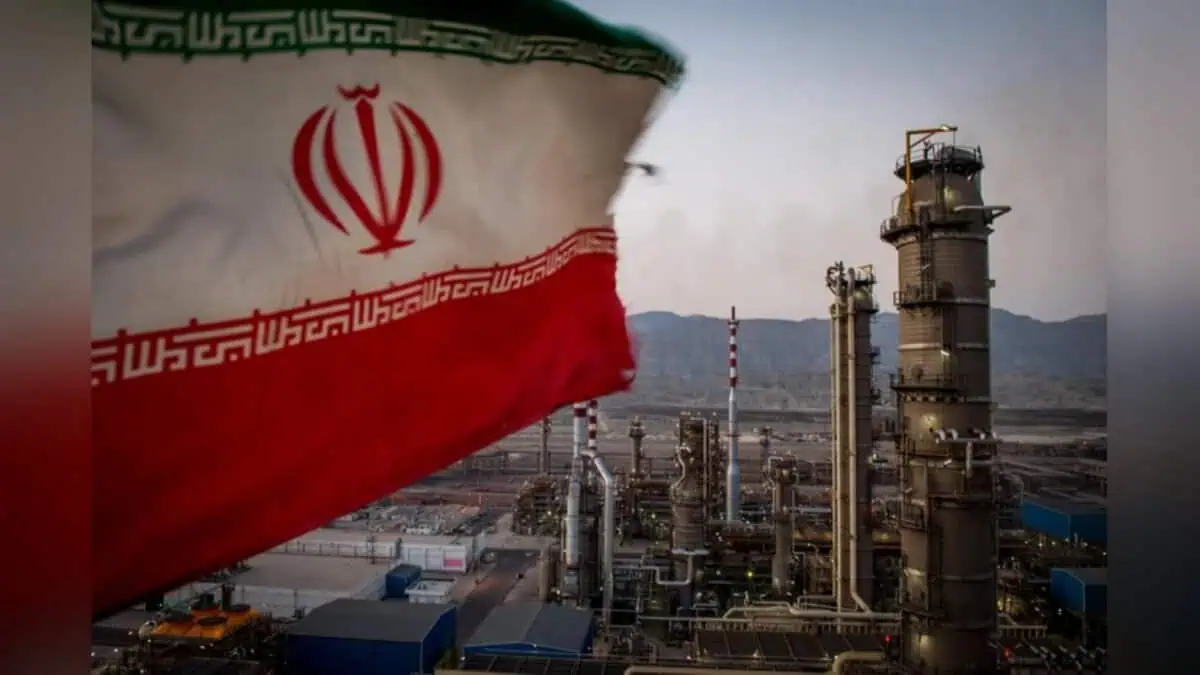
The assassination of a prominent figure in Iran's oil sector represents a severe blow to Tehran's covert economy. The internal situation indicates deep crises that go beyond official narratives.
The threads of the economic crisis intertwine with institutional divisions and eroding strategic bets, heralding a pivotal phase in the history of the Islamic Republic. This event comes at a time when Iran is suffering from increasing economic pressures due to international sanctions and declining oil production.
Details of the Assassination
The recent assassination targeted a prominent figure in the Revolutionary Guard, who is considered the mastermind behind the country's covert oil operations. These operations aimed to circumvent the sanctions imposed on Iran, making this assassination a significant blow to the government's efforts to sustain the economy.
Reports indicate that the Revolutionary Guard heavily relied on this figure to manage oil operations, raising questions about the future of these operations following the loss of this vital element. Furthermore, the assassination may escalate internal and external tensions, complicating the situation in the country.
Background & Context
Historically, Iran has faced numerous economic and political crises, but the current situation appears more complex. The U.S. sanctions imposed since Washington's withdrawal from the nuclear deal in 2018 have led to an unprecedented deterioration of the Iranian economy. Additionally, divisions within the Iranian system reflect the political instability the country is experiencing.
Iran faces significant challenges in securing its basic needs, as citizens suffer from rising inflation and unemployment rates. These conditions could exacerbate social and political crises, increasing pressure on the government.
Impact & Consequences
The assassination could have widespread ramifications at the domestic level, potentially intensifying conflicts among various factions within the Revolutionary Guard. The loss of a pivotal figure in the oil sector may negatively impact Iran's ability to export oil, further increasing economic pressures.
Regionally, this event could escalate tensions between Iran and neighboring countries, especially given the tense conditions in the Middle East. Concerned nations will closely monitor developments in Iran, as any escalation could affect the stability of the entire region.
Regional Significance
The situation in Iran significantly impacts Arab countries, particularly those sharing borders or economic interests with Tehran. Any escalation in Iranian conditions could affect global oil markets, reflecting on the economies of Arab nations.
Moreover, internal crises in Iran may lead to an influx of refugees into neighboring countries, increasing pressure on those nations. Therefore, Arab countries must be prepared to deal with any repercussions arising from these events.
In conclusion, the assassination of the Revolutionary Guard's oil chief represents a severe blow to the Iranian economy and reflects the deep crises the country is facing. The repercussions of this event are expected to continue influencing Iran's internal and external situation, necessitating close monitoring by the international community.