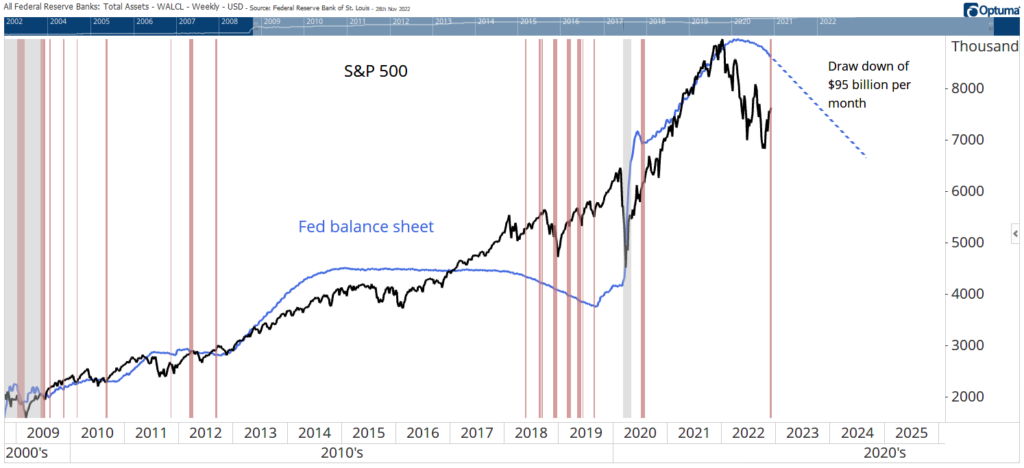
The Imperial Bank of Canada has indicated that bond markets might be overestimating the impact of potential changes in the U.S. Federal Reserve's balance sheet policy, expecting these changes to be slow and limited. This warning reflects increasing investor anxiety regarding any signals from the Federal Reserve about adjustments to its monetary policy.
The Federal Reserve's balance sheet is a vital tool in managing monetary policy and has seen significant growth due to stimulus programs aimed at countering the effects of the COVID-19 pandemic. However, the Imperial Bank emphasizes that any future changes will occur gradually, necessitating that markets respond more cautiously.
Details on Market Dynamics
Many financial institutions anticipate that the Federal Reserve will adopt a cautious approach, making it challenging to predict how any changes will affect financial markets. This dynamic raises concerns about price volatility in bond markets.
Over the past few years, the United States has experienced significant shifts in its monetary policy, leading to an increase in the Federal Reserve's balance sheet. Nonetheless, current challenges, such as rising inflation rates, require a reassessment of these policies.
Background & Context
The Imperial Bank of Canada is among the institutions monitoring the impact of the Federal Reserve's monetary policies on financial markets, noting that markets may be overly optimistic, which could lead to unnecessary volatility.
As the global economy continues to recover from the pandemic, the implications of the Federal Reserve's decisions are being scrutinized closely, particularly in light of inflationary pressures and their potential impact on economic growth.
Impact & Consequences
The ramifications of these statements extend beyond the United States, as they can influence global markets. If bond markets continue to overreact, it could lead to fluctuations in global interest rates, affecting borrowing costs worldwide.
Such volatility could have significant implications for investment flows, particularly towards emerging markets, where economies may be more vulnerable to shifts in global financial conditions.
Regional Significance
The potential for increased volatility in bond markets could have broader implications for economic stability in various regions. Countries that depend on stable investment flows may find themselves at risk if the Federal Reserve's policies lead to significant market disruptions.
In conclusion, the Imperial Bank of Canada's warning highlights the need for markets to remain vigilant and cautious in their reactions to Federal Reserve signals, as the consequences could ripple through the global economy.