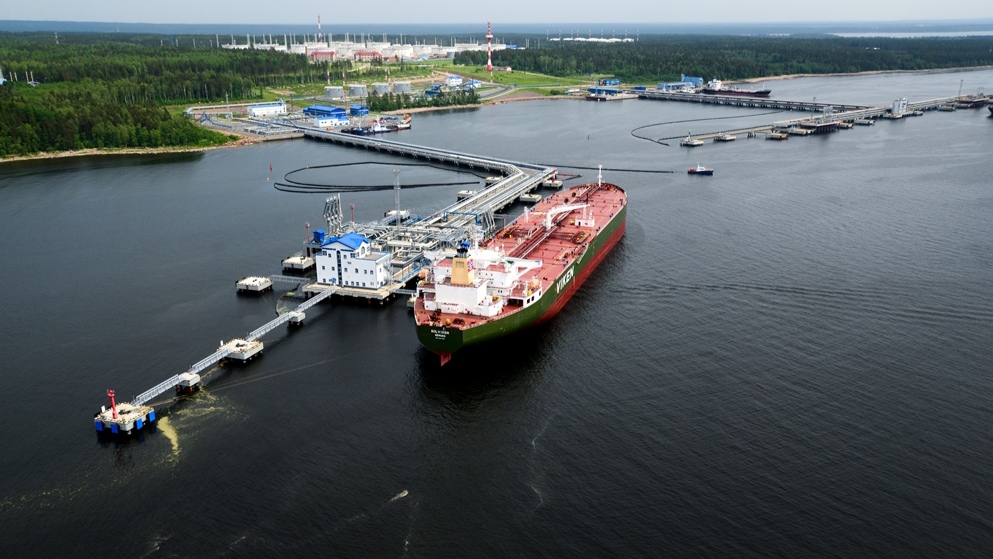
An analysis of satellite images reveals that the Russian Primorsk oil terminal has lost approximately 40% of its storage capacity due to drone attacks. These assaults occur amid rising geopolitical tensions in the region, directly impacting the global oil market.
The Primorsk terminal is considered one of the largest oil terminals in Russia, playing a vital role in exporting Russian oil to global markets. The attacks on the terminal indicate an escalation in the ongoing conflict, which could have widespread repercussions on oil prices and supplies.
Details of the Incident
According to reports, attacks on the Primorsk terminal have been observed in recent weeks, with aerial images showing significant destruction of the facilities. It is believed that these attacks may have been carried out by opposing groups or countries seeking to undermine Russia's ability to export oil. These developments come at a critical time, as Russia seeks to strengthen its position in the global oil market.
Drone attacks have become a common weapon in modern conflicts, providing an effective means to strike strategic targets without the need for direct military intervention. These attacks have proven effective in various conflicts worldwide, making them a preferred tool for non-state actors.
Background & Context
Historically, Russia has heavily relied on oil exports as one of its main sources of income. With rising tensions with the West, especially following events in Ukraine, Russia faces increasing challenges in maintaining the stability of its oil exports. The attacks on the Primorsk terminal occur within this context, as various parties seek to gain strategic advantages by targeting critical infrastructure.
In recent years, the region has witnessed an escalation in conflicts, with drone attacks becoming part of the military strategy of many nations. This trend raises concerns about regional security and increases instability in global energy markets.
Impact & Consequences
The repercussions of the attacks on the Primorsk terminal could be significant, as they are expected to affect global oil prices. A decline in supplies from Russia may lead to price increases, negatively impacting the global economy. Additionally, these events could escalate tensions between Russia and Western countries, complicating the geopolitical landscape.
Moreover, the loss of a substantial portion of storage capacity at the Primorsk terminal may affect Russia's ability to meet global demand, potentially leading to market volatility. Some countries may exploit these fluctuations for economic gains at Russia's expense.
Regional Significance
For the Arab region, events in Russia directly impact oil markets. Many Arab countries rely on oil exports as a primary source of revenue, and any increase in oil prices resulting from these events could benefit these nations. However, rising geopolitical tensions may lead to instability in the markets, posing challenges for Arab countries.
In conclusion, the events at the Primorsk terminal serve as a testament to the increasing tensions on the international stage. It is crucial to monitor the developments of this issue and its impact on global markets, especially given the significant reliance on oil as an energy source.