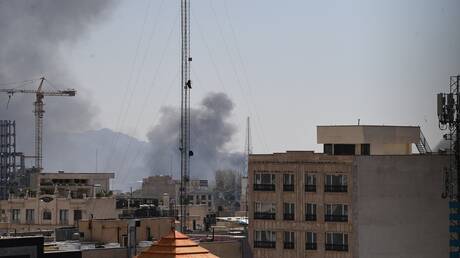
The International Atomic Energy Agency (IAEA) announced its assessment of the radiological situation in Khuzestan, Iran, following airstrikes on steel factories in the region. This development arises amid escalating regional tensions, raising concerns about the potential impact on the environment and public health.
The airstrikes targeting steel factories in Khuzestan, a vital industrial hub in Iran, have raised numerous questions regarding the safety of nearby nuclear facilities. The IAEA confirmed that it is closely monitoring the situation, noting that it has not detected any significant increase in radiation levels thus far, but it will continue to oversee the situation to ensure the safety of citizens.
Details of the Incident
The airstrikes occurred late Thursday evening, targeting a series of factories deemed crucial to the Iranian economy. This attack resulted in significant damage to the facilities, raising fears of hazardous material leaks that could affect the surrounding environment. The IAEA, headquartered in Vienna, stated that it would send technical teams to investigate the radiological conditions in the area.
On the other hand, no party has claimed responsibility for the airstrikes, but the regional tensions suggest that this attack may be part of a broader conflict between regional and international powers. This incident has elicited varied reactions from Iranian officials, who condemned the attack and considered it a violation of national sovereignty.
Background & Context
Historically, the Khuzestan region has witnessed numerous conflicts and disputes, especially amid the tense political climate in the Middle East. Khuzestan is rich in resources, including oil and gas, making it a strategic target for many powers. In recent years, tensions between Iran and the United States have escalated, leading to an increase in attacks on vital facilities.
It is noteworthy that the IAEA plays a crucial role in monitoring nuclear activities in Iran, aiming to ensure that the Iranian nuclear program is not used for military purposes. This attack could hinder the agency's efforts to achieve this goal and complicate negotiations surrounding the Iranian nuclear agreement.
Impact & Consequences
The potential ramifications of this airstrike could be far-reaching, as it may affect relations between Iran and Western countries, particularly the United States. If evidence of radioactive leakage is confirmed, it could lead to new sanctions against Iran, further increasing its international isolation.
Additionally, the radiological situation could impact the health of citizens in the region, necessitating swift action from the Iranian government and the IAEA. If the situation worsens, international intervention may be required to ensure the safety of the populace.
Regional Significance
This event highlights the escalating tensions in the region and reflects the challenges facing neighboring Arab countries. Under these circumstances, the strategies of Arab nations in dealing with Iran may be affected, especially amid concerns over the proliferation of nuclear weapons.
Moreover, the situation in Khuzestan could influence global oil prices, as Iran is one of the largest oil producers in the world. Any escalation in the situation could lead to rising oil prices, impacting the global economy.
In conclusion, the situation in Khuzestan remains under surveillance, with growing concerns about the implications of the airstrikes on regional and international security. The IAEA will continue to assess the situation as tensions in the region escalate.