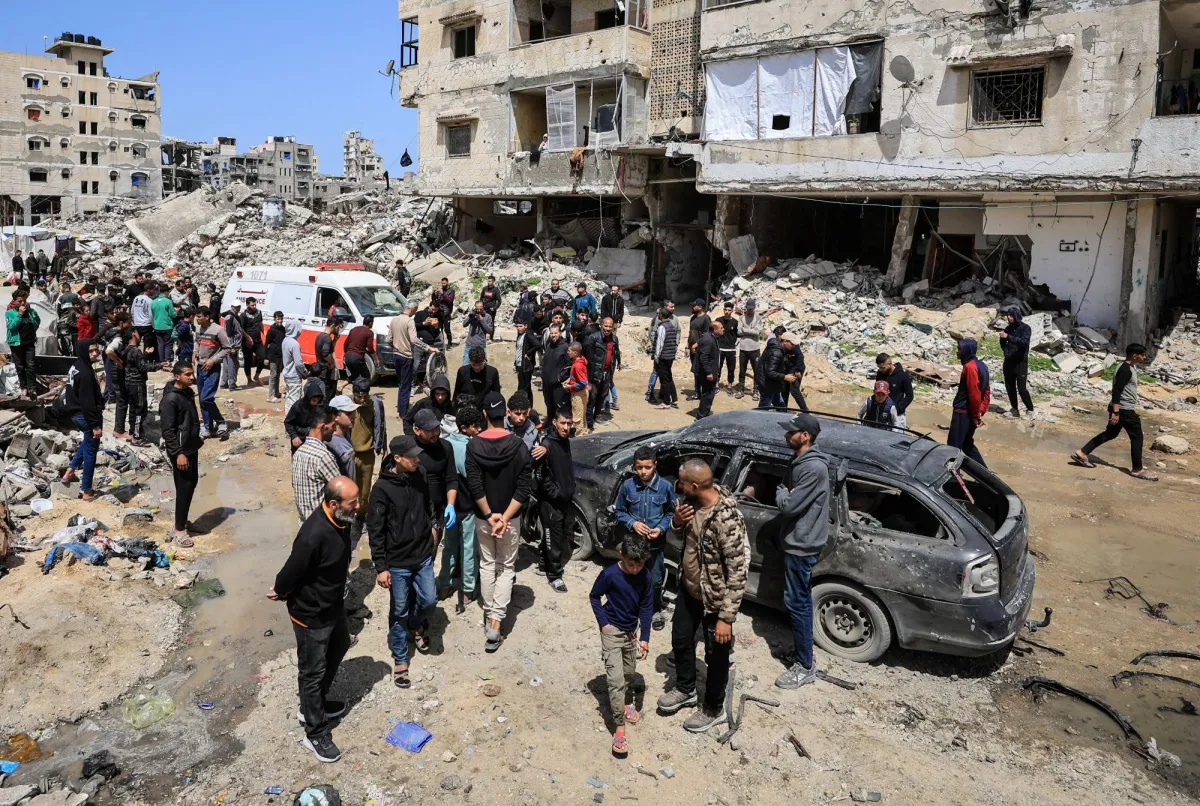
All eyes are on the ongoing negotiations between Iran and the United States, which could significantly influence Hamas' stance on disarmament in Gaza. The movement, along with other Palestinian factions, continues to discuss plans related to disarmament while striving to retain some of its weapons in the face of Israeli and American pressures.
While both Israel and the United States insist on the necessity of disarmament in Gaza, the Izz ad-Din al-Qassam Brigades, the military wing of Hamas, rejects this path. This comes amid a ceasefire announced by both Washington and Tehran for two weeks, raising questions about Hamas's potential to leverage these negotiations to alter the disarmament trajectory.
Details of the Situation
Field sources from Hamas express concerns about a potential Israeli escalation, as the pace of assassinations and bombings in Gaza may increase following the cessation of hostilities with Iran. Sources from Hamas and Islamic Jihad have confirmed signs of an Israeli escalation, albeit without extensive ground operations. In this context, a senior Hamas official affirmed that the movement clings to its weapons as a national duty to deter any aggression.
Despite praise for Iranian discussions regarding halting the war, Hamas leadership does not fully rely on it, recognizing that Israel and the United States are working to separate the fronts from one another. The movement has previously suffered from experiences where it tied the fate of its negotiations to the fate of other fronts, but those attempts were unsuccessful.
Background & Context
Historically, Gaza has witnessed numerous wars and conflicts, with Hamas in a perpetual struggle against Israel. These conflicts have severely impacted the humanitarian situation in the enclave, prompting the movement to seek to maintain some of its weapons as a means of self-defense. In recent years, international pressures on Hamas have increased, leading it to negotiate with mediators regarding disarmament.
Hamas aims to strike a balance between maintaining its military strength and meeting international community demands, making the current negotiations of significant importance. The movement has informed mediators that it wants to see a full Israeli commitment to the terms of the first phase before moving to the second phase concerning weapons.
Impact & Consequences
If Hamas succeeds in altering the disarmament trajectory, it could lead to a shift in the dynamics of the conflict in the region. Conversely, if Israeli and American pressures persist, matters may head towards a new escalation. Any escalation could further affect the humanitarian situation in Gaza, which is already suffering from multiple crises.
Concerns are growing that any escalation could exacerbate conditions in the region, negatively impacting regional security. Additionally, the ongoing conflict may hinder any progress in future negotiations.
Regional Significance
The issue of disarmament in Gaza is part of the broader conflict in the Middle East, which includes other issues such as the conflicts in Lebanon and Yemen. Any developments in Gaza could affect relations between Arab countries and Israel, potentially leading to a reevaluation of strategies among nations in the region.
In conclusion, the outcomes of the Iranian-American negotiations remain a focal point of significant interest, as they may determine the future of the conflict in Gaza and influence regional stability. Hamas finds itself in a precarious position, striving to maintain its military strength amid increasing pressures.