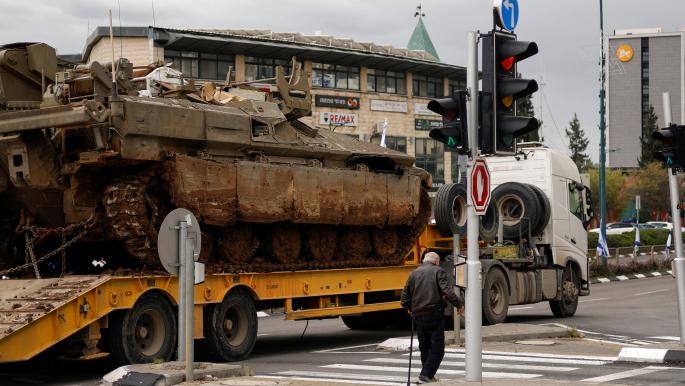
Israel is confronting a rising economic crisis, as arms exports are no longer sufficient to bridge the gap created by recent wars, including conflicts with Gaza and Lebanon, as well as the so-called 12-day war with Iran. While Tel Aviv has heavily relied on these exports to boost its revenues, economic challenges are escalating.
Arms exports are considered a vital source of revenue for Israel, with the government striving to bolster this industry amid ongoing crises. However, excessive reliance on these exports may have negative repercussions on the Israeli economy, especially given the persistent tensions in the region.
Details of the Situation
In recent years, Israel has witnessed a surge in military conflicts, leading to increased demand for weapons. Nevertheless, these wars have not come without costs, resulting in a general decline in economic revenues. Reports have indicated that arms exports, despite their increase, have not been adequate to compensate for the losses incurred from these conflicts.
Iran is one of the most significant challenges facing Israel, as Tehran continues to enhance its military capabilities, exacerbating tensions in the region. Some analysts have pointed out that Israel may find itself in a difficult position if these tensions persist, potentially impacting its military exports.
Background & Context
Historically, Israel has relied on its military strength as a means of protecting itself from external threats. Repeated wars have contributed to the strengthening of the Israeli arms industry, making it one of the largest exporters in the world. However, the current situation is different, as Israel faces both internal and external economic challenges.
Economic pressures on the Israeli government are mounting, with rising unemployment rates and declining investments. These factors have affected the government's ability to finance military operations, rendering reliance on arms exports insufficient.
Impact & Consequences
If the current conditions persist, Israel may face severe economic repercussions. A decline in revenues from arms exports could lead to cuts in military budgets, affecting its ability to confront security threats. Additionally, ongoing tensions with Iran may escalate conflicts, further increasing economic costs.
Moreover, a decline in economic power could impact Israel's standing on the international stage, as it may find itself compelled to negotiate from a position of weakness. This could negatively affect its relationships with traditional allies.
Regional Significance
The economic conditions in Israel have a direct impact on the Arab region. As economic pressures on Israel increase, opportunities for peace and stability in the region may also rise. However, ongoing tensions with Iran could lead to escalated conflicts, affecting regional security.
Ultimately, Israel needs to reassess its economic and military strategies in light of the current circumstances. The challenges it faces are not only military but also economic, necessitating serious steps to adapt to the new reality.