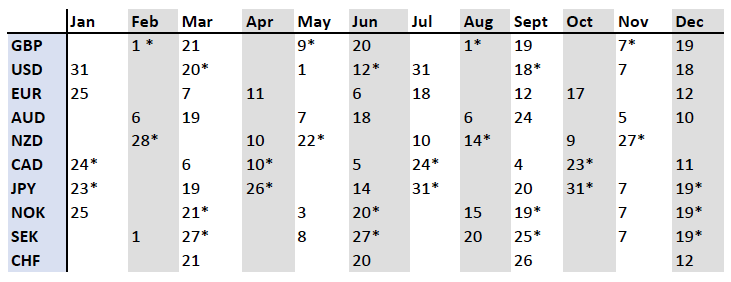
European Central Bank Governing Council member, Gediminas Simkus, emphasized that it is still too early to define the measures that need to be taken at the upcoming interest rate meeting scheduled for April. These remarks come at a time when the situation surrounding the war in Iran is escalating, adding to the uncertainty in financial markets.
Simkus pointed out that the current situation requires close monitoring of developments, as events are changing daily. This reflects the challenges faced by the European Central Bank in making decisions regarding monetary policy, especially under volatile geopolitical conditions.
Upcoming Meeting Details
All eyes are on the anticipated meeting of the European Central Bank in April, where members are expected to discuss a range of significant economic issues. These include the impact of the war in Iran on the European economy, as well as inflation rates and economic growth in the region. There are also expectations that the bank's decision will be influenced by other economic indicators, such as unemployment rates and GDP growth.
In recent days, financial markets have experienced notable fluctuations due to ongoing events in Iran, raising questions about how these developments will affect the bank's monetary policy. Decision-makers at the central bank must consider the potential risks that may arise from these developments.
Background & Context
Historically, the European Central Bank has played a pivotal role in stabilizing the European economy, especially during times of crisis. Since its establishment, the bank has faced multiple challenges, from the sovereign debt crisis to the COVID-19 pandemic. However, the current situation surrounding the war in Iran presents a new challenge that requires a swift and effective response.
Iran is a key player in the region, and any escalation in the conflict could impact oil prices and other commodities, which in turn would reflect on the European economy. Therefore, the European Central Bank is required to closely monitor the situation and assess its impact on monetary policy.
Impact & Consequences
If the situation continues to deteriorate, the European Central Bank may have to take unconventional measures to support the economy. These measures could include lowering interest rates or even resuming quantitative easing programs. Such steps could lead to increased liquidity in the markets, but they may also raise concerns about long-term inflation.
Furthermore, any decision made by the central bank will have wide-ranging effects on global financial markets. Investors and analysts are closely watching for any signals that may come from the bank, as these signals could influence investment decisions and financial planning.
Regional Significance
Arab countries are directly affected by economic developments in Europe, especially those related to oil prices. If oil prices rise due to tensions in Iran, some Arab countries may benefit from this increase. However, any economic recession in Europe could negatively impact demand for oil, which would reflect on the economies of producing countries.
In conclusion, the situation in Iran and its impact on the monetary policy of the European Central Bank remains a vital topic that requires close monitoring by all stakeholders. A swift and effective response from the central bank could be crucial in maintaining stability in the European and global economy.