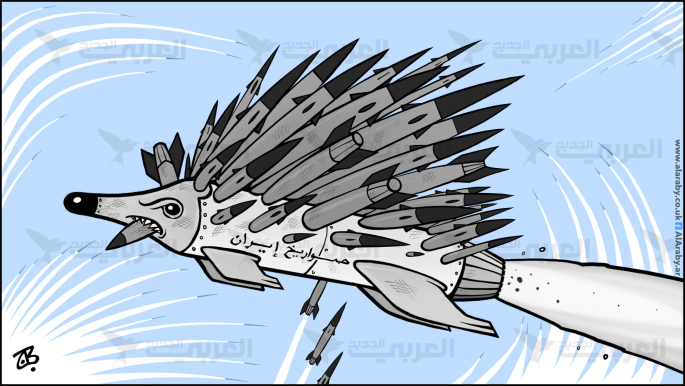
Despite the military superiority achieved by the United States and Israel in the region, these accomplishments have not translated into political victories or the realization of strategic objectives. Data indicates that Iran remains resilient, continuing to launch missiles and drones while controlling the Strait of Hormuz, reflecting the inability of the U.S.-Israeli alliance to achieve tangible results.
Concerns are growing that military superiority may not be sufficient to ensure stability in the region. Iran, considered one of the key regional players, continues to maintain its military capabilities and expand its influence in various areas, posing challenges to U.S. and Israeli strategies.
Details of the Events
In recent years, the United States and Israel have conducted several military operations against Iranian targets in the region. These operations, while successful at times, have not led to a fundamental change in the political equation. Iran remains capable of retaliating by targeting U.S. and Israeli interests, highlighting the gap between military power and political outcomes.
Despite the economic and political pressures facing Iran, the Iranian regime has proven its ability to endure. Tehran has continued to develop its military programs, including ballistic missiles and drones, complicating the security situation in the region.
Background & Context
Historically, the region has witnessed multiple conflicts between major powers, with the United States and Israel seeking to contain Iranian influence. However, the challenges facing these strategies necessitate a comprehensive reassessment. Iran, which possesses a network of allies in the region, benefits from any political or military vacuum.
These dynamics are evident in recent events, where Iran has been able to strengthen its presence in Iraq, Syria, and Lebanon, reflecting its ability to influence regional developments. Additionally, new alliances formed in the region, such as those between Iran and Russia, signify a shift in the balance of power.
Impact & Consequences
The repercussions of these military achievements extend beyond the region, affecting global security. Iran's continued enhancement of its military capabilities may lead to escalating tensions, threatening regional stability and increasing the likelihood of new conflicts.
Moreover, the lack of tangible political results may result in a loss of confidence in U.S. and Israeli strategies, negatively impacting international relations. Other countries may view these data as evidence of the ineffectiveness of military power in achieving political objectives.
Regional Significance
The Arab countries neighboring Iran are among the most affected by the developments in the situation. Ongoing tensions may lead to increased military spending, burdening the economies of these nations. Any escalation in conflict could adversely affect security and stability in the region.
Under these circumstances, Arab countries must reassess their security and political strategies. Regional cooperation may be necessary to address the challenges posed by Iran, requiring greater coordination among Arab states to effectively confront these challenges.
In conclusion, as U.S. and Israeli military superiority continues, the question remains: Will these powers be able to achieve their political objectives, or will Iran remain capable of enduring and influencing the course of events?