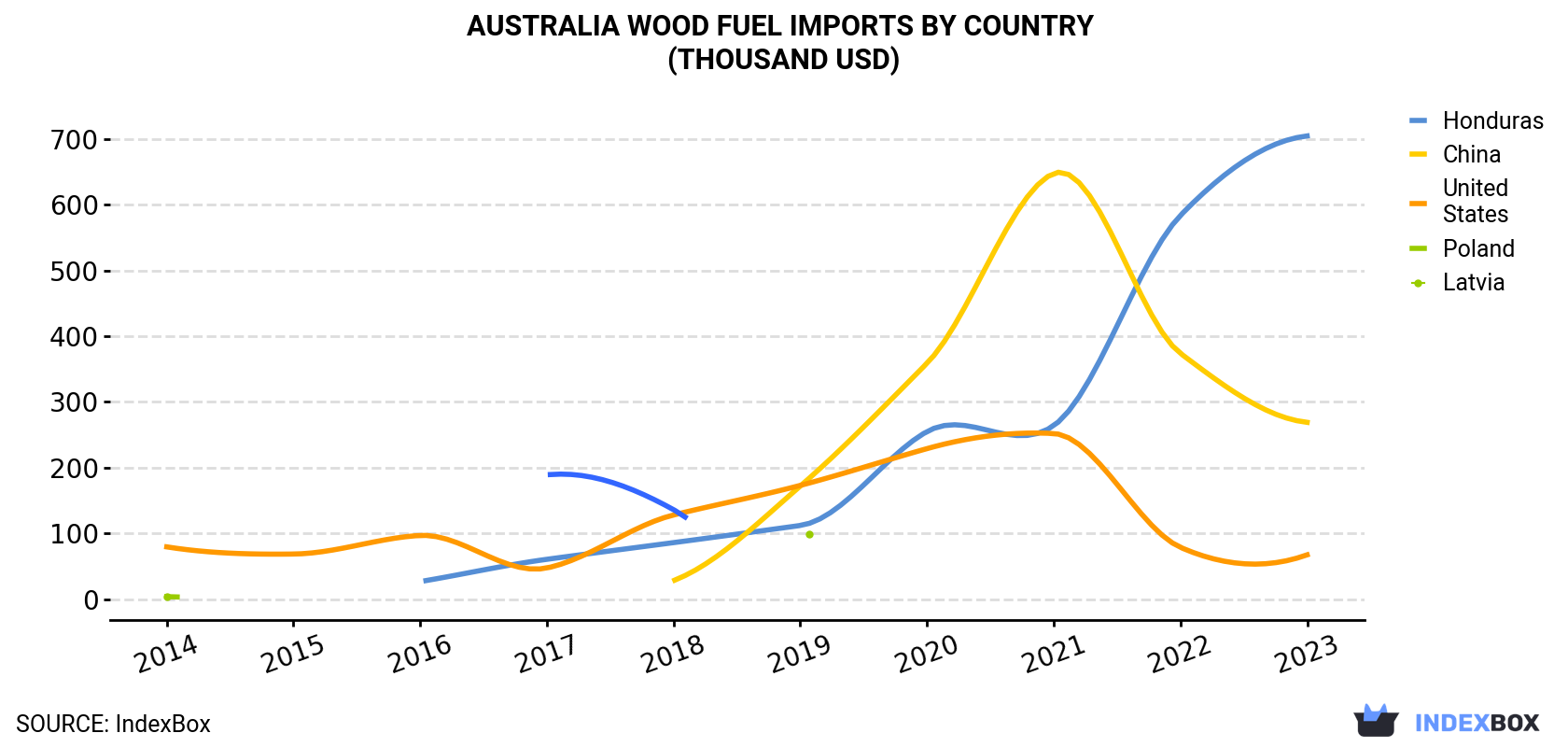
Despite being one of the largest energy-exporting countries in the world, Australia relies significantly on imported fuel to meet its energy needs. This dependency raises concerns, especially amid increasing tensions in global supply chains, making the Australian economy susceptible to substantial risks.
Reports indicate that Australia imports a large percentage of refined fuel, which is used to power transportation, agriculture, and many other vital sectors. This reliance on imported fuel means that any disruption in global markets can directly impact the Australian economy.
Details of the Situation
In recent years, Australia has experienced fluctuations in fuel prices, affecting transportation and agricultural costs. With the rising global demand for energy, Australia has become more vulnerable to external influences. Although the country possesses substantial reserves of oil and gas, its dependence on imported refined fuel represents a weakness in its economic strategy.
Concerns are growing that any disruption in supply chains, whether due to geopolitical crises or natural disasters, could lead to fuel shortages, negatively impacting all economic sectors. Experts have pointed out that this situation necessitates a comprehensive reassessment of the country’s energy strategies.
Background & Context
Historically, Australia has relied on its natural resources to meet its energy needs. However, shifts in the global market, such as increased demand from developing countries, have led to changes in import and export strategies. In recent years, Australia has begun focusing on exporting liquefied natural gas, which has increased its reliance on imported fuel.
Moreover, geopolitical tensions in regions such as the Middle East and Asia have affected the stability of supply chains, making Australia more susceptible to fuel shortage risks. These challenges require the Australian government to take effective steps to ensure the stability of energy supplies.
Impact & Consequences
The implications of relying on imported fuel extend beyond the Australian economy, as they can affect local prices and the cost of living. In the event of a fuel shortage, transportation costs may rise, leading to increased prices for goods and services. This situation could also impact the competitiveness of Australian products in global markets.
Furthermore, dependence on imported fuel may weaken Australia’s ability to achieve its environmental goals, as increasing reliance on renewable energy sources may require significant investments in infrastructure.
Regional Significance
Looking at the Arab region, Australia's reliance on imported fuel may open new avenues for cooperation between Arab countries and Australia in the energy sector. Arab nations, which possess vast reserves of oil and gas, could play a crucial role in meeting Australia’s fuel needs.
Additionally, the challenges Australia faces in securing energy supplies could serve as a lesson for Arab countries on how to better manage their natural resources and ensure economic sustainability in the face of global changes.
In conclusion, it is clear that reliance on imported fuel poses a significant challenge for Australia, necessitating urgent actions to ensure energy supply stability. This issue is not only local but also relates to international cooperation in the energy sector, opening up new opportunities for Arab countries.