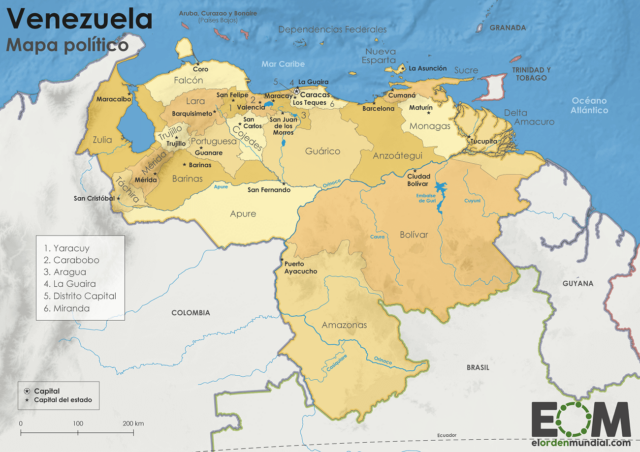
The harsh living conditions in Venezuela, including shortages of food and medicine, have resulted in the mass displacement of millions of Venezuelans to neighboring countries. Following the recent events that led to the ousting of Venezuelan leader Nicolás Maduro, the question arises: have the conditions changed enough to make returning home a viable option?
Events in Venezuela accelerated after the attack that led to Maduro's ousting, plunging the country into a state of political and economic chaos. However, many Venezuelans who left the country remain hesitant to return, as the economic and social situations remain unstable.
Details of the Event
In recent years, Venezuela has experienced one of the worst humanitarian crises in the world, prompting a mass exodus of citizens seeking a better life. According to reports, over 6 million Venezuelans have left the country, making it one of the largest migration waves in modern history.
After Maduro's ousting, the situation in the country remains unclear. Some observers suggest there is a chance for improvement, while others argue that challenges persist, including rampant corruption and a lack of basic infrastructure.
Background & Context
The history of Venezuela is fraught with political and economic challenges. Since Maduro took power in 2013, the country has faced a series of crises, including the collapse of oil prices, which the Venezuelan economy heavily relied upon. These crises have led to widespread poverty and hunger, pushing many to seek refuge in countries like Colombia and Brazil.
In recent years, many neighboring countries have tried to accommodate Venezuelan refugees, resulting in pressure on local resources. However, returning to Venezuela remains a significant challenge, as many fear the lack of job opportunities and basic services.
Impact & Consequences
The ousting of Maduro may open doors for potential political changes in Venezuela, but economic and social challenges remain. Many Venezuelans who left the country are concerned that returning may mean facing conditions worse than those they experienced abroad.
Moreover, the situation in Venezuela affects regional stability. With the increasing number of refugees, neighboring countries face challenges in providing humanitarian aid and basic services, which could lead to social and political tensions.
Regional Significance
Although the situation in Venezuela seems distant from the Arab region, there are lessons to be learned. Humanitarian and political crises can lead to significant migration flows, as seen in many Arab countries in recent years. The challenges faced by Venezuela may also reflect the risks that Arab countries could encounter in the event of political or economic instability.
In conclusion, the question remains open: will Venezuela witness real changes that allow its citizens to return home? There is hope for improvement, but the road ahead remains long.