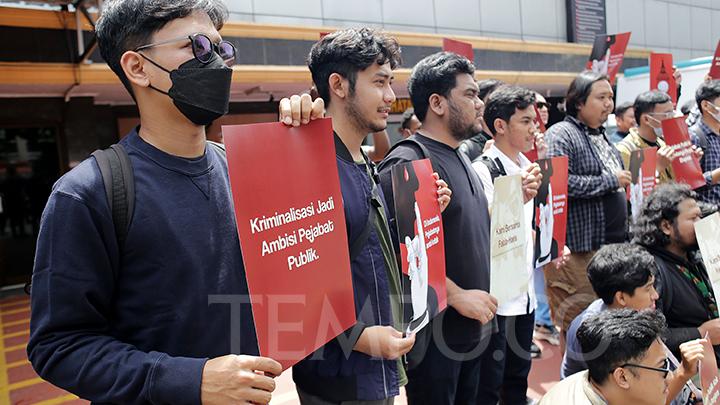
The Indonesian National Human Rights Commission (Komnas HAM) has announced the start of an assessment regarding potential threats facing 12 individuals connected to the case of activist Andri Yunus, who has faced violence due to his human rights activities. This initiative is part of the commission's efforts to protect individuals who contribute to exposing violations, including witnesses and advocates.
In a statement, Pramono Upadh Tanthowi, the coordinator of the Human Rights Commission, confirmed that the assessment is ongoing to determine the level of risk and protection needs for the individuals involved. He noted that there are indicators of threats faced by a group of individuals, and a mapping of these threats is currently underway.
Details of the Incident
The identified threats primarily include attacks in the digital space, including through social media and other communication channels. Tanthowi emphasized that the commission has not yet disclosed the identities of the affected individuals to ensure their safety. He explained that there is an urgent need to provide necessary protection to ensure that the legal process proceeds without pressure or threats.
The commission is also analyzing patterns associated with these threats, including the possibility of links between various actors. This assessment comes at a sensitive time, as concerns about the safety of activists in Indonesia are increasing.
Background & Context
Historically, Indonesia has witnessed numerous human rights violations, particularly under various political regimes. As awareness of human rights has grown, activists have begun to face greater challenges, with their lives endangered due to their activities. The case of Andri Yunus is not the first; it reflects a recurring pattern of violence against activists in the country.
The National Human Rights Commission was established in Indonesia in 1993, aiming to promote and protect human rights in the country. However, the challenges faced by the commission in protecting activists remain significant, necessitating ongoing efforts from both the international and local communities.
Impact & Consequences
These threats serve as a serious warning regarding the state of human rights in Indonesia. If effective measures are not taken to protect activists, it could lead to a significant decline in freedom of expression and civic engagement. Moreover, the increasing violence against activists may deter others from engaging in human rights issues, undermining efforts to achieve justice.
This situation requires a swift response from the Indonesian government and the international community to ensure the protection of individuals' rights and to foster a safe environment for civic activism. Failure to respond to these threats could exacerbate violations and increase instability in the country.
Regional Significance
Human rights issues in Indonesia exemplify the challenges faced by many countries in the region. The violations experienced by activists in Indonesia may reflect a similar reality in other nations, where activists encounter difficulties in expressing their opinions and participating in public life. Strengthening and protecting human rights is essential for achieving stability and development in the region.
In conclusion, there remains hope that the efforts of the National Human Rights Commission will yield positive outcomes, enabling activists to work in a safe environment that promotes their rights and ensures their protection.