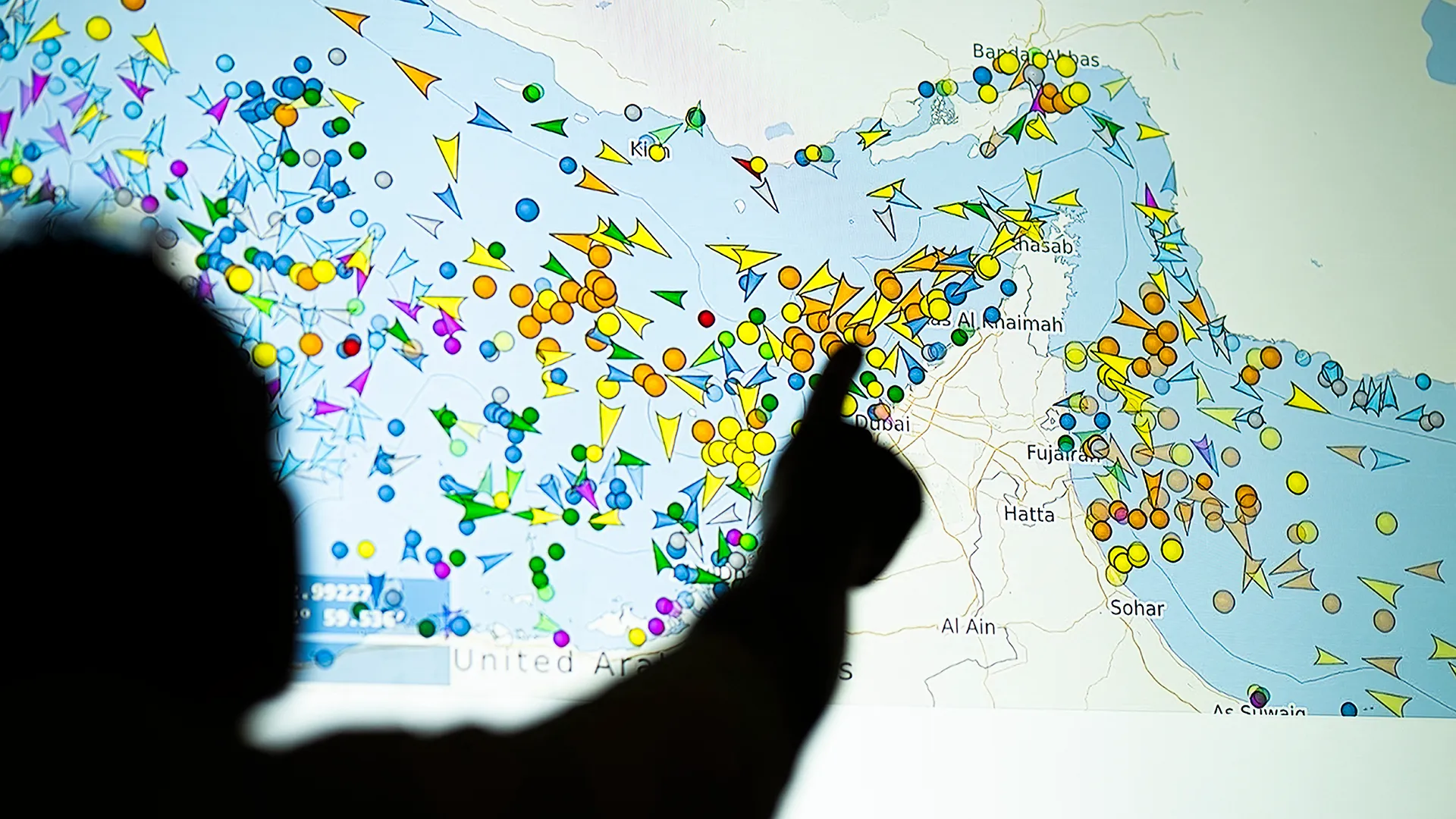
Debates are escalating regarding the effectiveness of the US strategy towards Iran, as international media reports reveal a divergence of opinions on the utility of military pressure. The British newspaper The Guardian confirmed that Washington's military pressure policy has not achieved its fundamental goals, noting that Iran continues to maintain capabilities that threaten navigation in the Strait of Hormuz.
The newspaper reported that US demands concerning Iran's nuclear and missile programs represent an existential threat from Tehran's perspective. It also warned that continued confrontation could lead to the depletion of US influence in the region, opening the door for Russia and China to enhance their international presence.
Event Details
In contrast, the American magazine National Interest called for transforming maritime sanctions into a comprehensive pressure tool targeting the survival of the Iranian regime. The magazine criticized any attempts to reach partial agreements that might grant Tehran economic gains without ending its nuclear ambitions. It argued that an escalatory approach combining ship blockades and support for internal opposition is the only way to effect real change in Iranian behavior.
These tensions come in the context of the repercussions of the American-Israeli war on Iran that began at the end of February, which caused near-total paralysis of maritime navigation in vital waterways. This has led to record jumps in global energy prices, impacting the global economy as a whole.
Background & Context
Historically, relations between the United States and Iran have witnessed increasing tensions, especially following Washington's withdrawal from the nuclear agreement in 2018. Since then, the US administration has pursued a policy of maximum pressure aimed at reducing Iran's influence in the region. However, this strategy appears to have failed to achieve the desired results, as Iran continues to bolster its military capabilities and expand its regional influence.
These events coincide with rising tensions in the Middle East, where major powers are seeking to reassess their strategies. In this context, the importance of diplomatic dialogue emerges as a means to alleviate tensions and achieve stability in the region.
Impact & Consequences
Reports indicate that the continuation of military pressure could lead to an escalation of the conflict, which may negatively affect regional and international security. Furthermore, military escalation could exacerbate humanitarian and economic crises in the region, where many countries are suffering from the effects of ongoing conflicts.
Moreover, the failure of the American strategy could strengthen Iran's position in future negotiations, making it difficult to achieve any progress towards a comprehensive agreement. Thus, the need to reassess current policies has become more urgent than ever.
Regional Significance
Tensions between the United States and Iran directly affect Arab countries, which are facing increasing pressures due to regional conflicts. Any escalation in the conflict could lead to negative repercussions on security and stability in the region, prompting Arab nations to take clear stances regarding these developments.
In conclusion, the question remains about the effectiveness of current strategies in achieving the desired goals. Diplomatic dialogue and regional cooperation may be the only way to achieve peace and stability in the region.