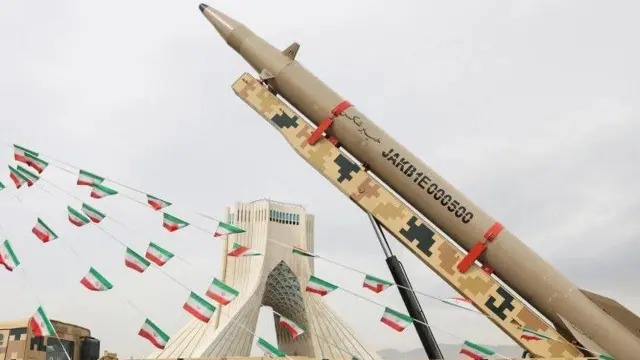
The international community is increasingly concerned about the fate of 440 kilograms of highly enriched uranium possessed by Iran, especially amidst rising political and military tensions in the region. This large quantity of uranium poses a potential threat to non-proliferation efforts, raising questions about Tehran's future intentions.
Simultaneously, the region has witnessed a surge in events, with the Houthi group from Yemen launching attacks on Israeli targets, further complicating the security landscape in the Middle East. These developments come at a sensitive time, as fears grow that any escalation could lead to a broader conflict in the region.
Details of the Situation
The amount of highly enriched uranium that Iran possesses far exceeds the limits set by the nuclear agreement established in 2015. Reports from the International Atomic Energy Agency (IAEA) have confirmed that Iran has surpassed these limits, increasing international concern regarding its nuclear ambitions. Iran has also stated on several occasions that it will continue to develop its nuclear program, raising questions about the potential use of this uranium in the manufacture of nuclear weapons.
On the other hand, the Houthi attacks on Israel indicate a rise in tensions among regional powers, as these attacks are part of the Houthis' strategy to enhance their influence in the area. These operations demonstrate the Houthis' ability to conduct military actions beyond their borders, which complicates the security situation further.
Background & Context
Historically, Iran has been at the center of international controversy regarding its nuclear program. Since 2002, when the existence of secret nuclear facilities was revealed, Western nations have imposed sanctions on Tehran. Despite the signing of the nuclear agreement in 2015, the U.S. withdrawal from the deal in 2018 brought matters back to square one, leading to heightened tensions.
In recent years, the region has experienced numerous events that have contributed to escalating tensions, including conflicts in Syria and Yemen, as well as interventions by major powers in regional affairs. All these factors complicate the security landscape and increase fears of military conflict.
Impact & Consequences
The large quantity of Iranian uranium could escalate tensions between Iran and Western nations, particularly the United States and Israel. If Iran continues to advance its nuclear program, Western countries may take more stringent actions, including imposing new sanctions or even preparing for military intervention.
Moreover, the increase in Houthi attacks on Israel could provoke military responses from Tel Aviv, raising the likelihood of a broader conflict in the region. These dynamics may also affect regional security and complicate peace efforts in the Middle East.
Regional Significance
These developments hold significant importance for Arab countries, as any escalation in tensions between Iran and Israel could impact security and stability in the region. Arab states, especially those sharing borders with Iran, may find themselves in a sensitive position requiring clear stances.
Additionally, the rising influence of the Houthis in the region may raise concerns among Arab nations about the potential spread of this influence to other countries, further complicating the security landscape.
In conclusion, the situation in the Middle East remains complex, where nuclear issues intertwine with military tensions, necessitating serious steps from the international community to ensure security and stability in the region.