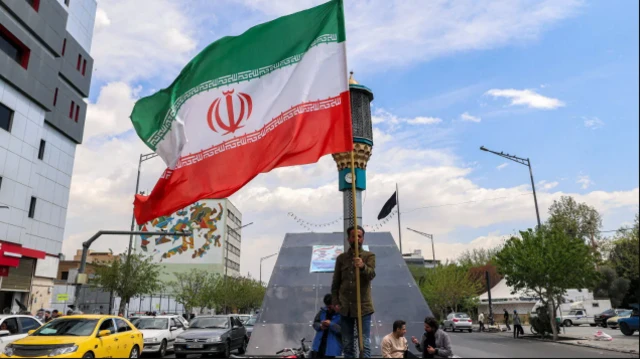
The ceasefire announced by U.S. President Donald Trump in recent hours has sparked questions regarding its ability to withstand the increasing crises in the Middle East. Concurrently, the failure of the United Nations Security Council to adopt a Bahraini resolution aimed at ending the closure of the Strait of Hormuz adds to the complexity of the regional situation.
These developments come at a sensitive time, as tensions between major powers in the region are on the rise, prompting inquiries into the potential impact of this ceasefire on regional stability.
Details of the Ceasefire Announcement
Trump announced the ceasefire in an attempt to alleviate the escalating tensions in the Middle East, which have seen a notable increase recently. However, many observers are skeptical about the likelihood of success for this ceasefire, particularly in light of the ongoing crises in Iraq, Syria, and Yemen.
The failure of the Security Council to adopt the Bahraini resolution intended to end the closure of the Strait of Hormuz reflects deep divisions among member states. This closure, which affects international shipping, complicates the security situation in the region and threatens to escalate tensions between Iran and Western nations.
Background & Context
Historically, the Strait of Hormuz is considered one of the most critical maritime passages in the world, with approximately 20% of the world's oil passing through it. The region has witnessed numerous crises in recent years, ranging from tensions between Iran and the United States to armed conflicts in Iraq and Syria.
These events occur within the framework of multiple international attempts to find lasting solutions to the crises in the region; however, political and economic divisions hinder these efforts. In this context, the ceasefire announced by Trump may be a necessary step, yet it faces significant challenges.
Impact & Consequences
If the ceasefire fails, it could lead to a new escalation in armed conflicts, adversely affecting regional stability. Additionally, the continued closure of the Strait of Hormuz may impact global oil prices, which would have repercussions on the global economy.
On the other hand, these developments may increase pressure on governments in the region, potentially exacerbating humanitarian and economic crises. Therefore, the success of the ceasefire largely depends on the commitment of the involved parties to peaceful solutions.
Regional Significance
These events directly affect Arab countries, many of which are grappling with internal and external crises. The continuation of tensions in the Middle East could worsen humanitarian crises, especially in countries experiencing conflicts such as Yemen and Syria.
The failure of the Security Council to take effective action reflects the weakness of the international system in addressing regional crises, increasing frustration among Arab populations and bolstering feelings of distrust towards international institutions.
In conclusion, the ceasefire announced by Trump remains under scrutiny as the challenges it faces continue to mount. The ability of this ceasefire to endure may determine the future of stability in the Middle East, necessitating concerted international efforts to achieve lasting peace.