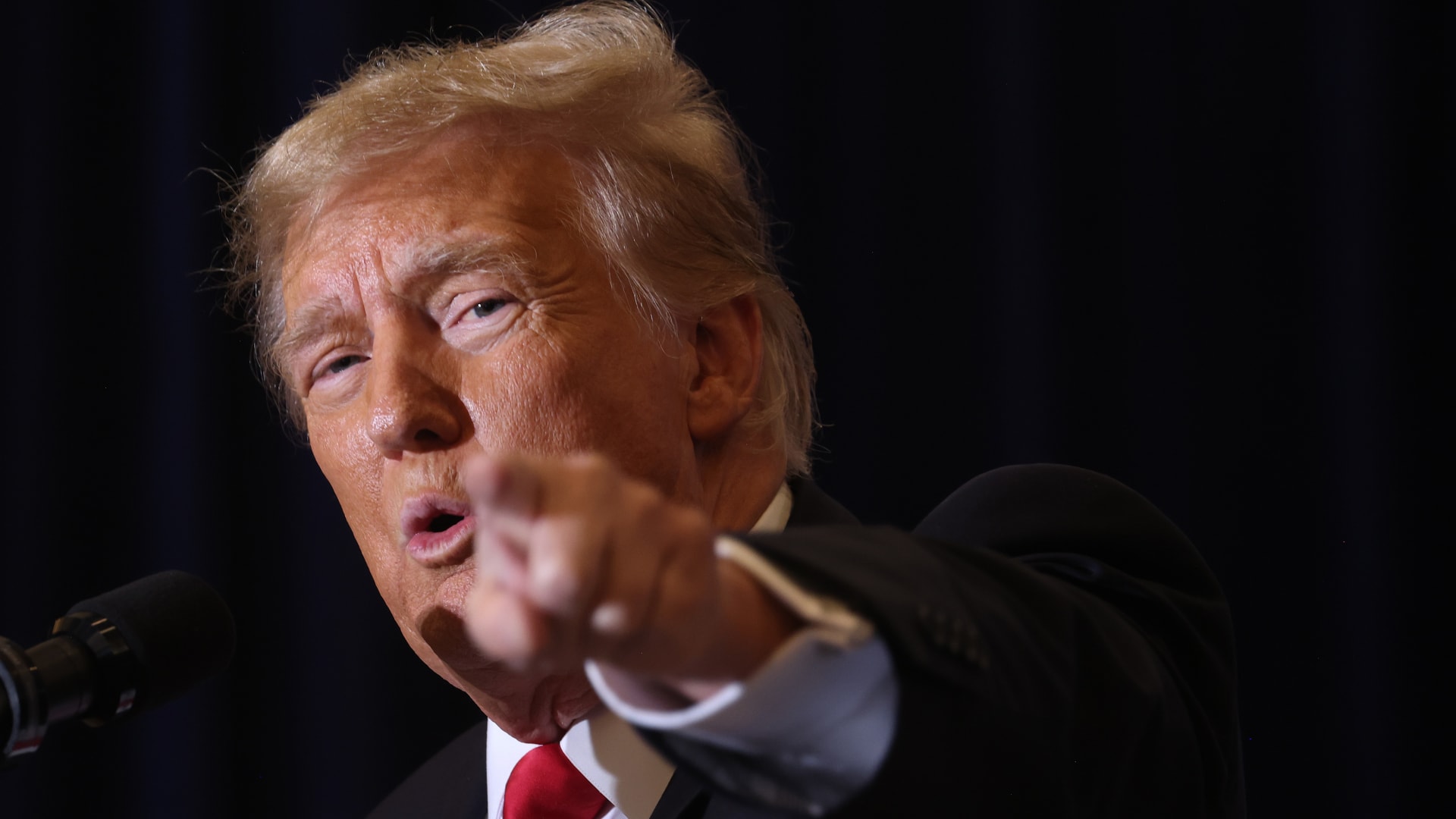
The global energy industry faces uncertainty due to fluctuations in U.S. President Donald Trump's policies, particularly his rollback of environmental regulations. These changes have raised concerns among companies that benefited from such policies, fearing instability that could impact their future investments.
The reductions in environmental regulations enacted by Trump are part of his strategy to boost economic growth; however, they have simultaneously led to anxiety among companies that rely on stable government policies. As the U.S. presidential elections approach, concerns are mounting over the potential for policy changes once again, which could negatively affect the market.
Details of the Situation
Reports indicate that many leaders in the energy sector have expressed their fears that fluctuations in policies could lead to market instability. Companies that have benefited from the rollbacks of environmental regulations are worried that any change in administration could lead to the re-imposition of these laws, which could affect their competitive edge.
At the same time, some analysts suggest that this situation could create new opportunities for companies that can adapt to rapid policy changes. Nevertheless, the current uncertainty makes it difficult for companies to plan for their futures.
Background & Context
Historically, the United States has seen significant changes in its environmental policies, with previous administrations striving to promote renewable energy and reduce dependence on fossil fuels. With Trump's rise to power, this trend has shifted dramatically, as many laws aimed at environmental protection have been repealed.
This new direction has led to increased oil and natural gas production in the United States, helping to lower prices globally. However, these policies have sparked widespread debate regarding their impact on the environment and climate, leading many companies to question the sustainability of this growth in the long term.
Impact & Consequences
Trump's policies are affecting the energy industry not only in the United States but also globally. Many countries rely on importing energy from the U.S., and any changes in policies could impact global prices and resource availability.
Moreover, uncertainty in U.S. policies may prompt some countries to seek alternative energy sources, potentially leading to changes in global market dynamics. This could open the door for renewable energy-producing countries to strengthen their positions in the market.
Regional Significance
Arab countries are among the largest oil producers in the world, and any changes in U.S. policies could affect global oil prices, which in turn impacts the economies of these nations. If the U.S. continues to increase its oil and gas production, Arab countries may face new challenges in maintaining competitive prices.
Furthermore, the shift towards renewable energy may open new opportunities for Arab countries seeking to diversify their income sources. Investment in renewable energy could help these nations reduce their dependence on oil and gas, thereby enhancing their economic sustainability.
In conclusion, the ongoing uncertainty in U.S. policies remains a significant concern for the global energy industry, as companies and countries must adapt to these rapid changes. With the presidential elections approaching, the question remains open regarding how the outcomes will affect the future of the energy sector.