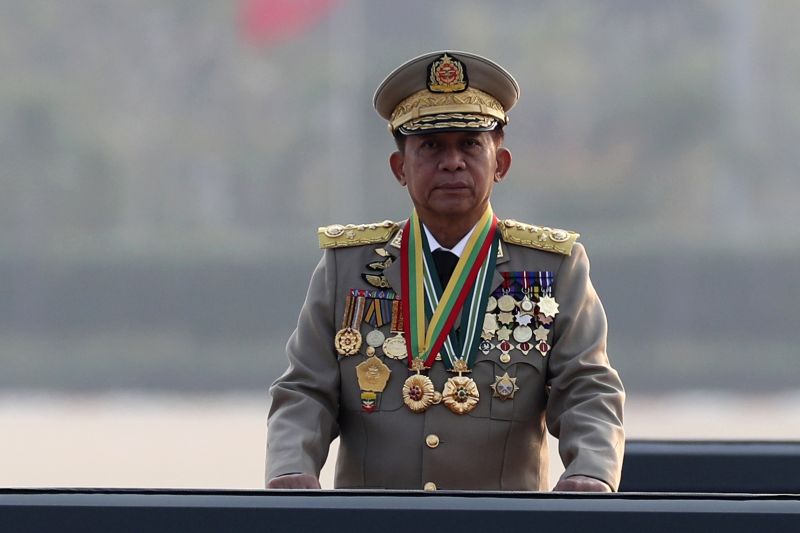
Min Aung Hlaing, who led the military coup in Myanmar in 2021, has taken on the presidency in a civilian role after five years of military governance. This shift reflects radical changes in the political landscape of the country, as Hlaing seeks to consolidate his power amid ongoing crises.
Over the past five years, Myanmar has faced internal conflicts and humanitarian crises as a result of the coup that ousted Nobel Peace Prize laureate Aung San Suu Kyi's government. The coup triggered widespread protests and violent crackdowns by military forces, resulting in thousands of deaths and numerous arrests of opposition figures.
Details of the Event
In an unexpected move, Min Aung Hlaing announced the replacement of military uniforms with civilian attire, symbolizing a new beginning in his leadership. However, this change may merely be cosmetic, as real power remains firmly in the hands of the military. Hlaing has indicated his intention to stabilize the country, but many analysts believe this shift may not lead to improvements in humanitarian and political conditions.
These developments come at a time when Myanmar is grappling with severe economic crises, with living conditions for many citizens deteriorating. The economy is suffering from the impact of international sanctions and internal unrest, increasing pressure on the new government.
Background & Context
Historically, Myanmar has experienced numerous political transformations, but the recent coup has been among the most impactful. Aung San Suu Kyi was a symbol of democracy in the country and had made significant progress in the political reform process prior to the coup. However, the military, which has a long history of controlling governance, did not easily accept these changes.
Since the coup, the country has seen a surge in violence, with military forces employing excessive force to suppress protests. These conditions have led to mass displacement of civilians, further complicating the humanitarian crises in the country.
Impact & Consequences
Min Aung Hlaing's assumption of the presidency in a civilian capacity could have significant implications for the political landscape in Myanmar. This transition may help improve the government's image in the international community, but at the same time, it may not alter the existing realities in the country. Many citizens continue to suffer from the aftermath of the coup and are still demanding real change.
Moreover, this shift may affect relations between Myanmar and neighboring countries, especially amid rising tensions in the region. Some countries may seek to reassess their relationships with the new government, which could impact regional stability.
Regional Significance
Considering the situation in Myanmar, events there may have repercussions for the Arab region. The political and economic conflicts in Myanmar remind us of similar crises in Arab countries that have undergone radical political changes. Additionally, the political experiences in Myanmar may offer lessons to Arab nations on how to navigate political transformations.
In conclusion, it remains to be seen how the situation in Myanmar will evolve under Min Aung Hlaing's leadership. While he seeks to consolidate his power, the people are still waiting for genuine changes that restore their rights and achieve stability in the country.