In a tragic incident, the World Health Organization announced that 64 individuals, including 13 children, were killed in an attack on the Teaching Hospital in the town of El Daein, East Darfur, last Friday. This incident marks the latest chapter in the ongoing conflict in Sudan, which has escalated since the outbreak of civil war in April 2023. According to statements from the Director-General of the World Health Organization, Tedros Adhanom Ghebreyesus, the attack left the hospital unable to operate, exacerbating the urgent health needs in the region.
The attack, believed to have resulted from a strike by the Sudanese warplanes, also injured another 89 individuals. These attacks are attributed to the ongoing conflict between the Sudanese army and the Rapid Support Forces, a dispute over the integration of the Rapid Support Forces into the regular army.
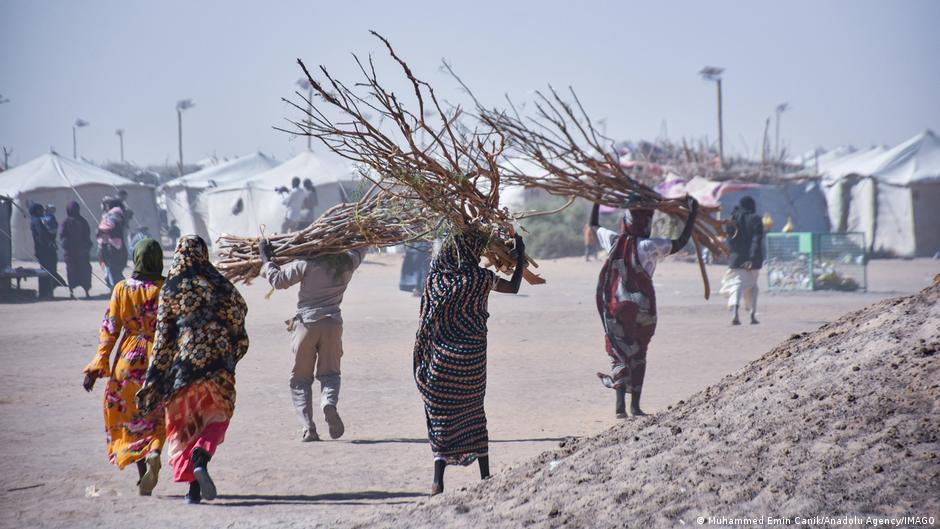
Since April 2023, over 2,000 people have been killed in more than 200 attacks on health facilities across Sudan, putting the country's healthcare system on the brink of collapse. The situation is further aggravated by approximately 14 million displaced persons due to the conflict, while half of Sudan's population suffers from food insecurity.
This conflict has also led to the gravest global humanitarian crisis, with reports of mass killings and sexual violence in some areas.
Additional complexities in the Sudanese landscape include the geographic situation, with Rapid Support Forces controlling areas in western Sudan, while the army dominates central and northeastern parts of the country. The Sudanese armed forces have repeatedly targeted areas under the control of the Rapid Support Forces, such as the town of El Daein, which witnessed the recent attack.
Globally, Tedros indicates that "it is time to alleviate the conflict in Sudan and provide protection for civilians and health and humanitarian workers." This emphasizes the necessity of restoring peace as a solution to the escalating humanitarian crisis.
The conflict in Sudan stems from a power struggle between military leaders and those of the Rapid Support Forces, a consequence of the political transformations that followed the ousting of former President Omar al-Bashir in 2019. Sharp tensions over the structure of power and military reforms have become roots of the conflict, which manifests its effects in every corner of the country.
The impact of this conflict is transboundary, casting shadows over neighboring countries and affecting regional stability. The rise of rebel movements in the area could lead to further what is known as forced displacement, enhancing the humanitarian challenges facing neighboring countries, including Egypt and Chad.
In the end, the question remains: when will international powers put an end to this ongoing conflict and engage in real peace efforts? The situation in Sudan highlights the urgent need to rethink support strategies and call for dialogue, because "peace is the best medicine," as Tedros said. These calls for a peaceful resolution come at a time when Arab countries, along with the United Nations, are seeking mechanisms to improve the humanitarian conditions for millions of affected Sudanese.