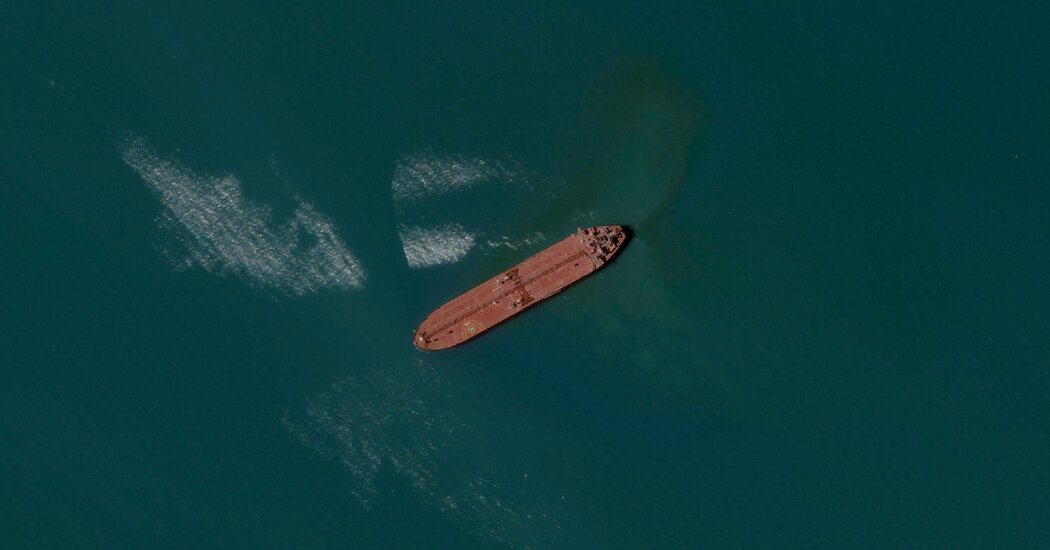
An oil refining facility on Lavan Island in Iran was attacked this morning, Wednesday, with the National Iranian Oil Distribution and Refining Company (NIORDC) confirming that the attack occurred around 10:00 AM local time. According to the statement, the attack was carried out by "enemies," leading to a fire at the facility.
Firefighting teams are currently working to extinguish the flames that erupted as a result of the attack, and reports indicate that no injuries have been recorded thanks to the swift evacuation process that took place on-site. This incident comes at a sensitive time, as a ceasefire agreement between the United States and Iran was announced just one day prior.
Details of the Incident
The attack on the Lavan facility occurs amid rising tensions between Iran and the United States, as President Donald Trump had announced a two-week ceasefire agreement with Iran, raising hopes for a de-escalation of tensions in the region. However, the attack on the oil facility reflects the ongoing conflicts and disputes between the two parties.
Lavan Island is considered one of Iran's strategic locations, housing significant oil facilities that contribute to the Iranian economy. The attack on this facility could impact Iranian oil production, potentially adversely affecting the national economy.
Background & Context
Historically, relations between Iran and the United States have been fraught with increasing tensions since the Iranian Revolution in 1979, when diplomatic relations between the two countries were severed. In recent years, these tensions have escalated significantly, particularly following the U.S. withdrawal from the Iranian nuclear agreement in 2018 and the re-imposition of economic sanctions on Tehran.
Attacks on oil facilities in Iran are not new, as the country has witnessed several similar attacks in recent years, reflecting the complex regional and international conflicts that affect security and stability in the area.
Impact & Consequences
The attack on the Lavan facility could have wide-ranging repercussions, not only for Iran but also for global oil markets. Any decline in Iranian oil production may lead to an increase in oil prices in global markets, impacting economies that rely on oil.
Moreover, this attack could reignite tensions between Iran and the United States and affect upcoming talks between the two sides. Regional countries and major powers are expected to closely monitor the developments, as any escalation could lead to unforeseen consequences in the region.
Regional Significance
Considering the potential impact of this attack on the Arab region, any escalation in tensions between Iran and the United States could affect the Gulf Arab states, which heavily rely on regional stability. Additionally, any increase in oil prices could impact the economies of oil-producing Arab countries.
In conclusion, the situation in the region remains complex and requires careful monitoring, as current events may affect security and stability in the Arab region as a whole.