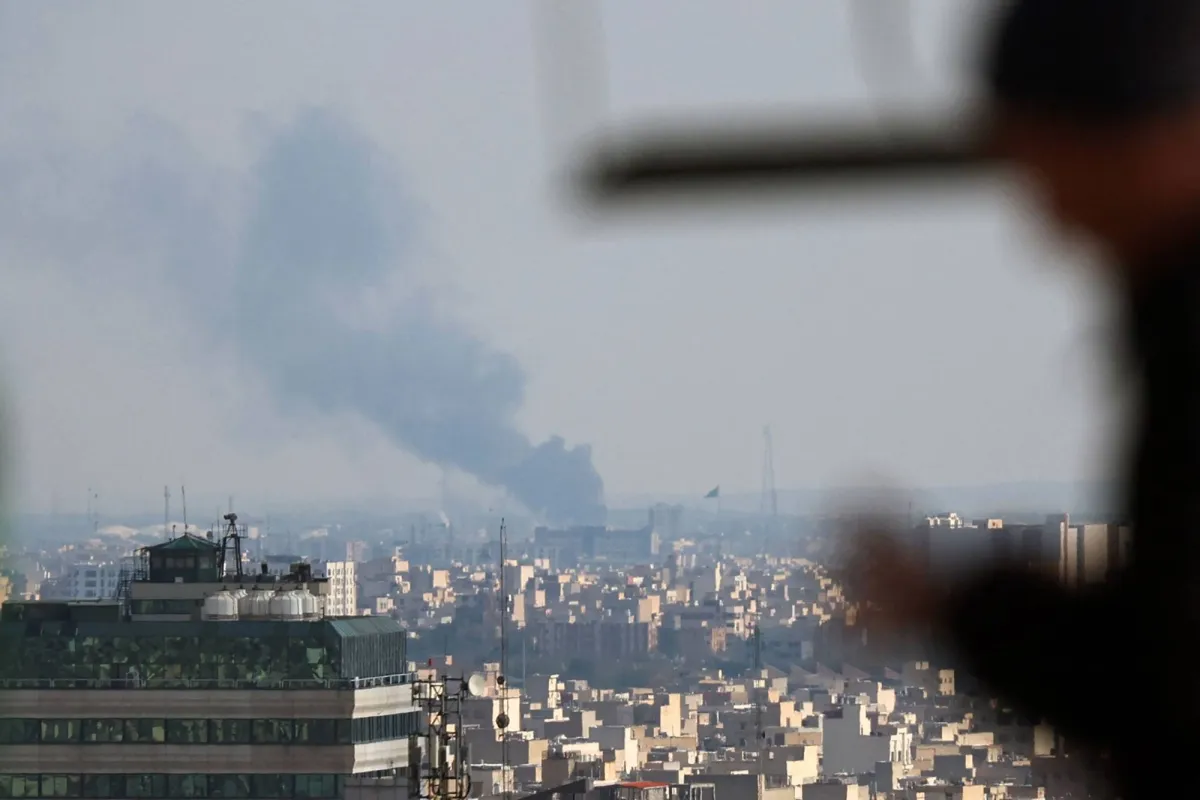
Official Iranian media reported that 8 people were killed and 95 others injured in an attack targeting the B1 Bridge in the city of Karaj, located west of the capital Tehran. The attack, which is believed to have resulted from Israeli-American strikes, occurred in two phases on Thursday, with the first strike hitting the bridge followed by a second strike while rescue teams were working to assist the victims.
The official Iranian television channel confirmed that the "American-Zionist enemy" targeted this vital bridge again, provoking angry reactions from Iranian officials who described the attacks as "horrific crimes" against civilians.
Details of the Incident
The attack on the B1 Bridge comes at a sensitive time, as the United States continues to bolster its military presence in the region, with statements from President Donald Trump indicating that his forces will continue to strike Iran "very hard" in the coming weeks. Trump noted that American military objectives would be achieved "very soon," escalating tensions in the region.
At the same time, Tehran confirmed that it would continue to close the Strait of Hormuz to "enemies," with threats to expand the scope of strikes. The attack coincided with a new round of airstrikes within Iran, where Israeli strikes targeted military sites and sensitive facilities across the country.
Background & Context
Historically, relations between Iran and the United States have seen increasing tensions, especially after Washington withdrew from the Iranian nuclear deal in 2018. Since then, hostilities have escalated, with strikes exchanged between both sides. Iran, which considers itself targeted by the United States and its allies, has enhanced its military capabilities, including the development of its missile programs.
The recent strikes on Karaj come in the context of targeting Iranian infrastructure, with the B1 Bridge considered one of the most important vital facilities. Iranian officials have indicated that these attacks represent a blatant violation of international laws, emphasizing the need for an appropriate response.
Impact & Consequences
The repercussions of this attack could be far-reaching, potentially leading to greater escalation in the conflict between Iran and the United States. The increasing military pressures may affect the stability of the region, threatening navigation in the Strait of Hormuz, which is considered a vital artery for global oil trade.
On the other hand, these events may enhance domestic support for the Iranian regime, as Iranian officials demonstrate their readiness to confront external threats. Iranian Foreign Minister Abbas Araghchi stated that targeting civilian facilities would not force Iranians to surrender, reflecting Tehran's determination to face military pressures.
Regional Significance
Developments in Iran directly impact Arab countries, especially those close to the Strait of Hormuz. Escalating tensions may lead to rising oil prices, affecting the economies of Arab nations. Furthermore, the continuation of the conflict could open the door for military interventions by other countries in the region, complicating the security situation.
In conclusion, the situations in Iran and its surroundings remain under observation, with analysts expecting events to continue escalating, necessitating greater international attention to resolve the ongoing conflict.