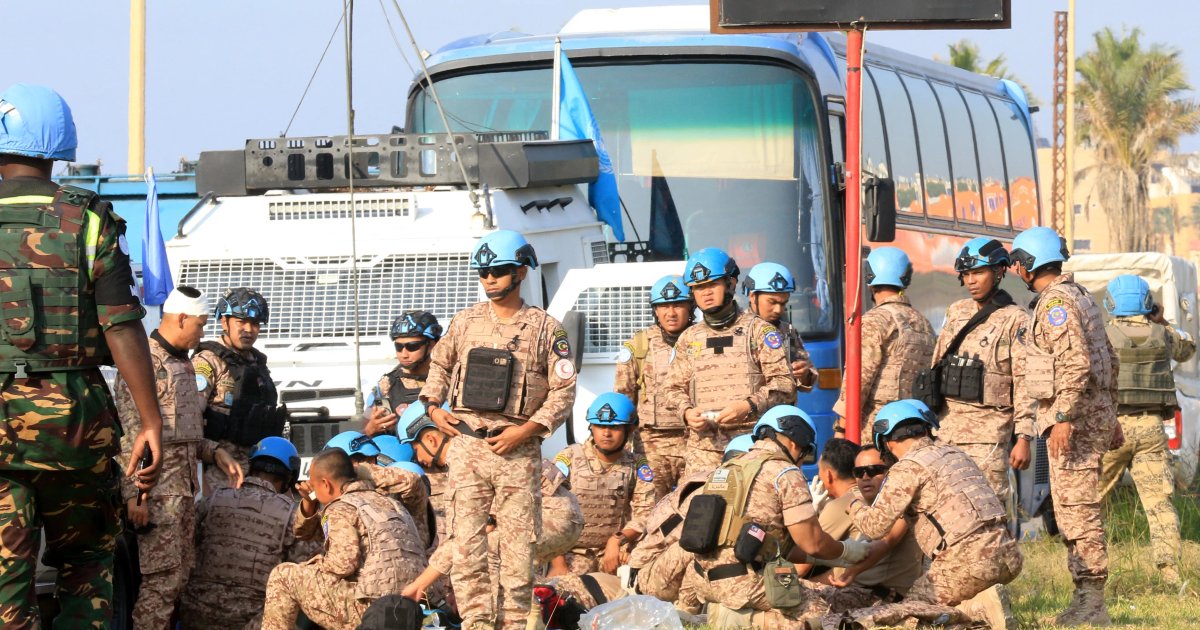
In a strong statement, the Muslim lawyers group (TPM) and the Indonesian organization MER-C confirmed that the attack targeting the United Nations peacekeeping forces (UNIFIL) in Lebanon, which led to the death of three Indonesian soldiers, is classified as a war crime. This declaration was made during a joint press conference held in the Indonesian capital, Jakarta, on Wednesday.
During the conference, TPM spokesperson Ahmad Mitchdan explained that attacks on peacekeeping forces represent a blatant violation of international law. He pointed out that Article 8 of the Rome Statute of the International Criminal Court criminalizes intentional attacks on individuals or facilities involved in peacekeeping missions, rendering these assaults completely unacceptable.
Details of the Incident
The recent attack on UNIFIL forces in Lebanon, which resulted in the deaths of Indonesian soldiers, occurs amidst escalating tensions in the region. TPM and MER-C emphasized that this attack is not merely an isolated incident but part of a recurring pattern of assaults targeting international peacekeeping forces.
Ahmad Mitchdan also noted that United Nations Security Council Resolution 1701 of 2006 and the Fourth Geneva Conventions obligate all parties to respect the safety and security of peacekeeping forces, making attacks on these forces a serious violation of international law.
Background & Context
Historically, the Middle East has witnessed numerous armed conflicts that have led to deteriorating humanitarian conditions. The United Nations peacekeeping forces, deployed in Lebanon since 1978, aim to maintain security and stability in the region, yet they have faced multiple attacks over the years.
In recent years, assaults on UNIFIL forces have increased, raising concerns within the international community. These attacks have prompted repeated calls from UN member states to ensure the protection of peacekeeping forces and to strictly enforce international law against the aggressors.
Impact & Consequences
These assaults on peacekeeping forces pose a threat to regional and international security. Repeated attacks could undermine peace efforts and exacerbate tensions between conflicting parties. Additionally, these incidents may negatively impact the reputation of countries participating in peacekeeping missions, making nations more cautious about deploying their troops to conflict zones.
Moreover, assaults on peacekeeping forces are considered a violation of human rights, endangering the lives of soldiers and civilians alike. This necessitates immediate action from the international community to ensure accountability for the perpetrators.
Regional Significance
Arab countries are directly affected by events in Lebanon, as any escalation in conflict could lead to security and political repercussions in the region. Furthermore, attacks on peacekeeping forces reflect the instability faced by many Arab nations, necessitating enhanced regional and international cooperation to safeguard security and peace.
In conclusion, the current situation in Lebanon and the broader Arab region requires a concerted international effort to ensure the protection of peacekeeping forces and to hold violators of international law accountable. Strengthening peace and security demands a collective commitment from all involved parties.