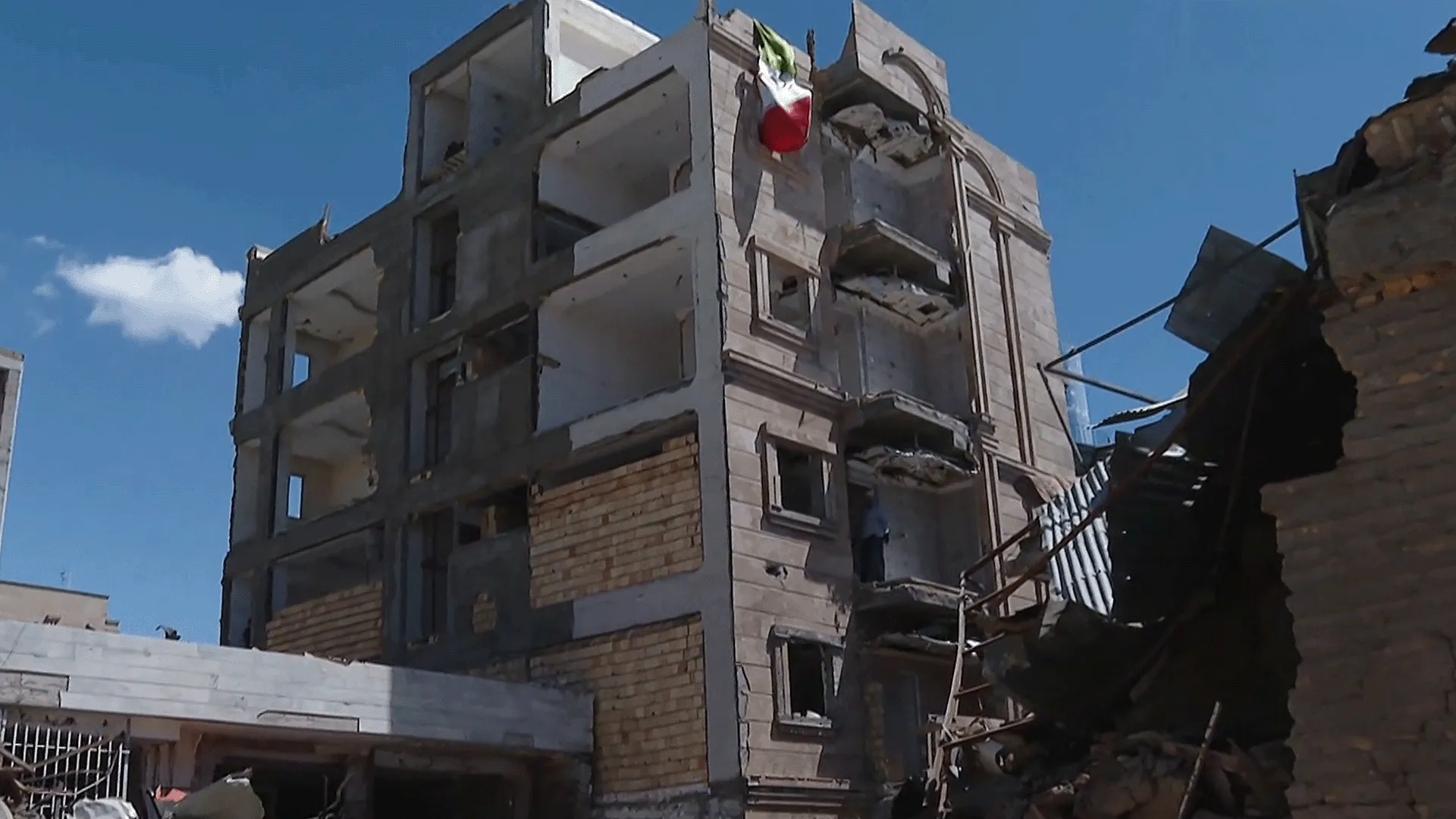
A US-Israeli attack targeting a residential area in Alborz province, west of Tehran, has resulted in the deaths of 6 civilians and injuries to approximately 30 others, according to Iranian authorities. The attack, which occurred late at night, caused significant destruction in the area, prompting widespread condemnation from local residents.
Al Jazeera correspondent Amer Lafi visited the city to assess the extent of the damage caused by the bombing, noting the destruction in buildings and homes, as well as the state of panic among the residents. Many citizens expressed their fears of a recurrence of such attacks in the future, which could further increase instability in the region.
Details of the Incident
The attack on the residential area came at a sensitive time, as tensions between Iran and the United States and its allies in the region are escalating. Iranian authorities have confirmed that this aggression constitutes a blatant violation of national sovereignty, calling on the international community to intervene and halt these hostile actions.
At the same time, Iranian officials pointed out that the attack is part of the maximum pressure policy being exerted by the United States against Iran, which includes economic sanctions and military threats. Tehran has expressed its condemnation of these policies, affirming its right to defend itself.
Background & Context
Historically, Iranian-American relations have seen increasing tensions since the Islamic Revolution in 1979. These tensions have particularly escalated following the United States' withdrawal from the Iranian nuclear deal in 2018, leading to the reimposition of severe economic sanctions on Tehran.
The conflict in the region has also been significantly affected by new alliances, as Iran seeks to enhance its influence in the Middle East, while the United States and its allies attempt to undermine this influence. These complex dynamics contribute to the increased likelihood of military escalation, as seen in the recent attack on Alborz province.
Impact & Consequences
The attack on the residential area in Alborz may have serious implications for regional security. An increase in military tensions could lead to a chain reaction from Iran, which may include escalating military activities in other parts of the Middle East.
This attack could also affect relations between Iran and European countries, which are striving to maintain the nuclear agreement. With rising military pressures, these countries may find themselves in a difficult position, having to balance their economic and security interests.
Regional Significance
Arab countries are directly affected by the tensions between Iran and the United States, as any escalation could destabilize the region. Gulf states, for example, may be concerned about any military escalation that could impact their security and stability.
Additionally, the situation in Iraq, Syria, and Lebanon may also be affected, as Iran plays a key role in these countries. Therefore, any escalation in tensions could lead to negative repercussions on the security and political situations in these nations.
In conclusion, the attack on a residential area in Alborz highlights the increasing tensions in the region and underscores the urgent need for diplomatic efforts to resolve conflicts and avoid military escalation. Under these circumstances, hope remains pinned on the international community to play an active role in achieving peace and stability in the region.