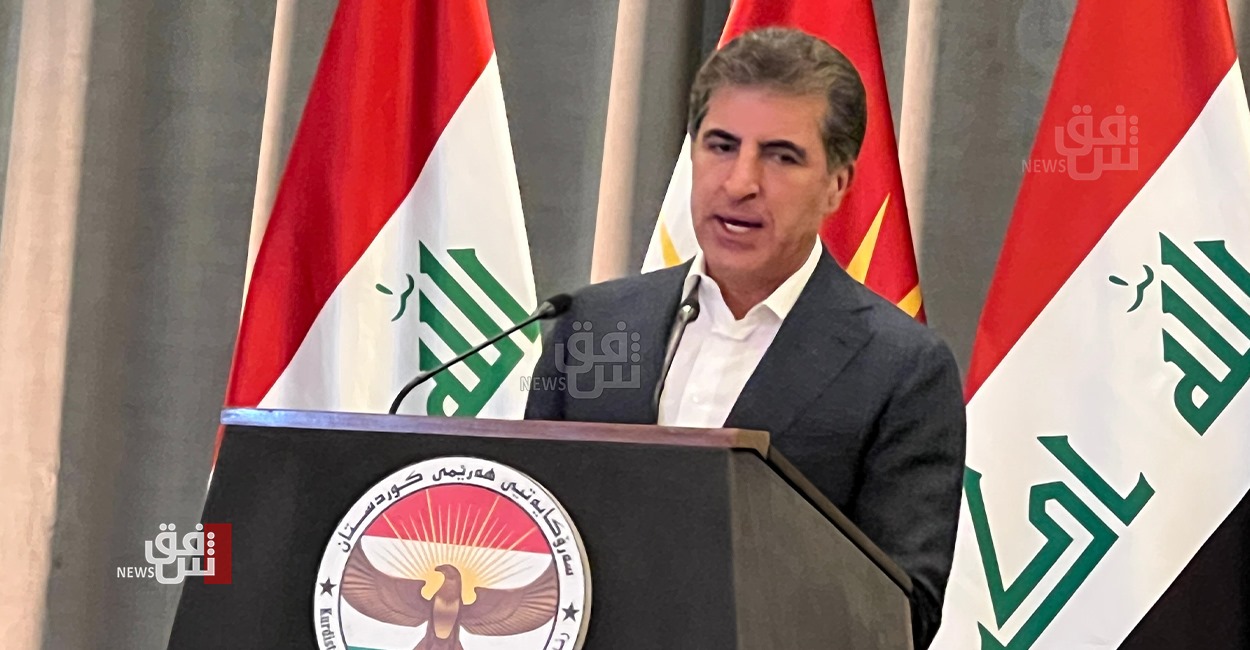
A gun attack targeted the home of the President of the Kurdistan Region of Iraq, Nechirvan Barzani, in the city of Duhok, leading to a state of political tension in the region. Kurdish political leaders accused what they described as "outlawed armed groups" of being behind this attack, while the United States confirmed that the attack bears the fingerprints of "Iranian proxies."
This attack comes at a sensitive time, as tensions rise between regional and international powers in Iraq. The attack provoked swift reactions from Kurdish officials, who considered such acts a threat to stability in the region.
Details of the Incident
The attack on Barzani's home occurred late at night, causing significant material damage. No human injuries were reported, but the incident raised widespread concern among Kurdish citizens. Kurdish political leaders, including the Kurdistan Democratic Party, strongly condemned the attack, indicating that such acts aim to undermine security and stability in the region.
In response, the United States issued official statements regarding the attack, confirming that there are indications of involvement by "Iranian proxies" in the incident. These statements come amid escalating tensions between Washington and Tehran, as both countries exchange accusations regarding their interventions in Iraqi affairs.
Background & Context
Historically, the Kurdistan Region of Iraq has witnessed numerous armed attacks, particularly from groups that the Iraqi government considers "outlawed." These groups are often linked to political and regional conflicts, seeking to achieve their goals through violence.
The relationship between the United States and Iran in Iraq is complex, as both seek to enhance their influence in the region. Attacks on Kurdish political figures may be part of a larger struggle between these powers, complicating the political landscape in Iraq.
Impact & Consequences
The attack on Barzani's home could escalate tensions between the Kurds and the Iraqi government, as well as deepen divisions among political forces in the country. Additionally, this incident may affect relations between the Kurds and the United States, as fears of greater Iranian interventions in the region may increase.
Moreover, this attack could lead to heightened security measures in Kurdistan, potentially impacting the daily lives of citizens. If such attacks continue, Kurdistan may move towards further isolation from the central government in Baghdad.
Regional Significance
The repercussions of this attack extend beyond Iraq, as it could affect stability in the region as a whole. The escalation of tensions between the United States and Iran may lead to increased conflicts in other countries, especially given the presence of armed groups in various areas of the Middle East.
This incident also highlights the importance of enhancing security and stability in Iraq, as any escalation in violence could have negative repercussions for neighboring countries, necessitating international intervention to ensure regional stability.
In conclusion, the situation in the Kurdistan Region of Iraq remains complex, with overlapping regional and international interests, making it essential to closely monitor developments.