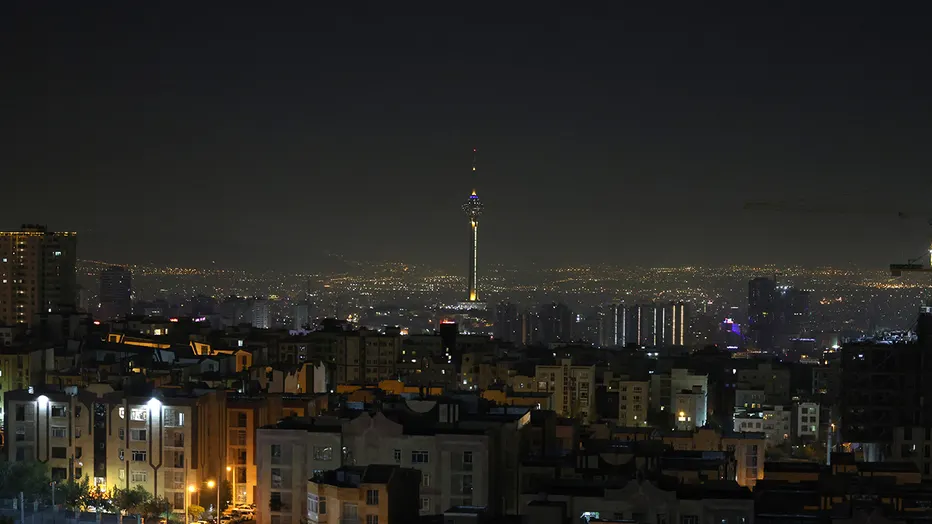
Areas close to the World Health Organization (WHO) office in Tehran were attacked over the past two nights, raising widespread concerns about the safety of the staff working at the office. In a post on X, WHO Director-General Tedros Adhanom Ghebreyesus confirmed that all his colleagues at the Iranian office are safe, and no injuries have been reported.
The attacks that occurred in Tehran come at a sensitive time, as Iran is experiencing increasing political and security tensions. Ghebreyesus noted that the organization is closely monitoring the situation and is working to ensure the safety of its staff worldwide, especially in areas experiencing conflicts or tensions.
Details of the Incident
In recent days, areas near the WHO office in Tehran have been attacked, which has raised significant concern in international circles. The attacks did not result in injuries among the staff, which Ghebreyesus confirmed in his post, expressing relief for the safety of all personnel at the office.
These events come at a time when Iran is facing internal and external tensions, complicating the security situation in the country. These attacks may represent an additional challenge for the organization, which seeks to provide health support in crisis areas.
Background & Context
The World Health Organization, established in 1948, plays a vital role in coordinating global efforts to combat pandemics and health crises. With rising tensions in many countries, including Iran, the safety of health workers is increasingly at risk.
Iran, which suffers from international sanctions and political tensions, has seen a rise in violence and protests in recent years. These conditions make it difficult for humanitarian organizations to operate effectively, impacting the provision of essential health services to the population.
Impact & Consequences
The attacks near the WHO office could negatively affect the organization's ability to provide health support in Iran. Under the current circumstances, public health programs may be at risk, increasing the suffering of citizens who need healthcare.
Additionally, these events may lead to increased pressure on the international community to intervene and provide assistance, whether through financial or humanitarian support. It is crucial for international organizations to remain vigilant to ensure the safety of health workers.
Regional Significance
The events in Iran are indicative of increasing tensions in the region, which may affect neighboring countries. Amid the multiple crises facing Middle Eastern nations, it is essential to enhance cooperation between Arab states and international organizations to ensure the stability of the health situation.
These events also highlight the importance of enhancing security and safety for health workers throughout the region, as any threat to them could negatively impact efforts to combat pandemics and provide healthcare.
In conclusion, the safety of health workers remains a top priority, and the international community must intensify its efforts to protect them and ensure the continuity of health services in conflict-affected areas.