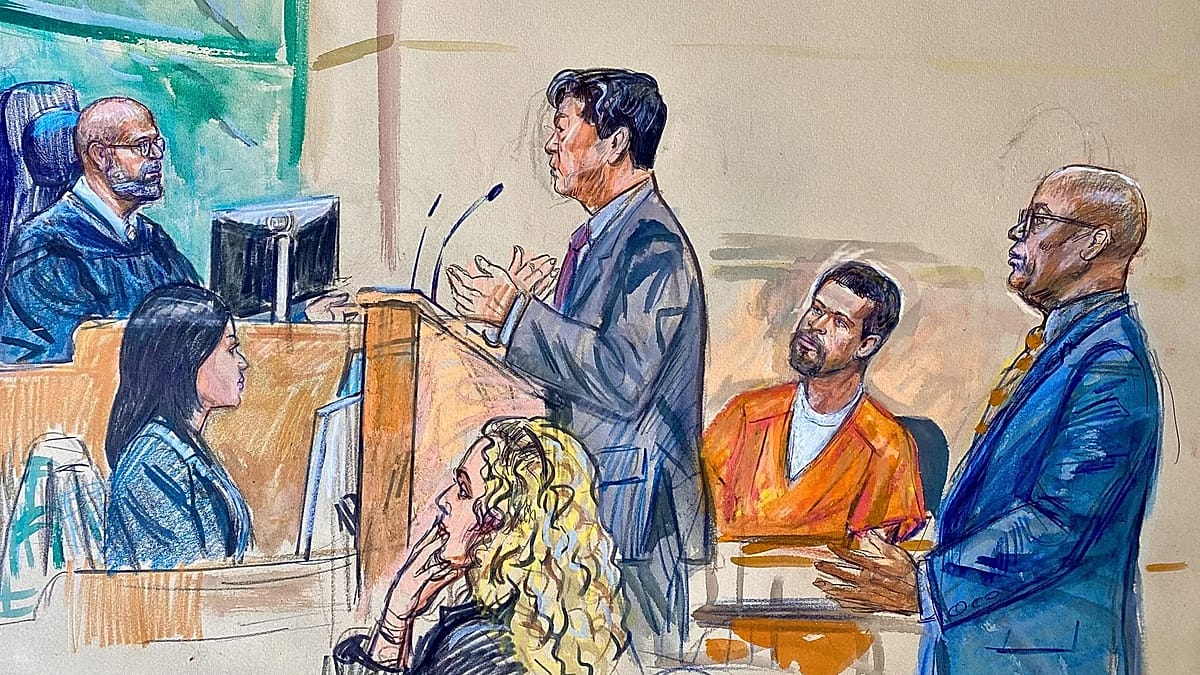
Cole Thomas Allen, a 31-year-old from Torrance, California, appeared in federal court where he pleaded not guilty to the charges against him. Allen stormed a White House Correspondents' Association dinner armed with firearms and knives, shooting at a Secret Service officer who attempted to stop him.
Allen appeared handcuffed and wearing an orange prison jumpsuit during the hearing, remaining silent as one of his attorneys announced his not guilty plea on his behalf.
Details of the Charges
Allen faces multiple charges, including attempted assassination of the President of the United States and assault on a federal officer with a deadly weapon. One Secret Service officer was injured by a bullet from Allen's weapon, while Allen himself was not harmed.
Allen's defense team requested the exclusion of certain officials from the Department of Justice from the case, citing a potential conflict of interest, as both the acting attorney general and the prosecutor were present during the attack.
Background & Context
This incident is considered one of the most controversial events in modern U.S. history, reflecting the increasing political and social tensions. Since Trump took office, the country has witnessed a rise in incidents of political violence, raising questions about the personal security of presidents.
The atmosphere surrounding the case is charged, with public opinion divided on the implications of such actions against political figures. The trial is expected to draw significant media attention and public scrutiny.
Impact & Consequences
If convicted, Allen could face a life sentence, prompting questions about how the U.S. judicial system handles such crimes. The incident may also affect the relationship between the government and citizens, as some may feel anxious about the rise of political violence.
Furthermore, this case could lead to discussions about the adequacy of security measures in place to protect public figures, particularly in an era marked by heightened political discord.
Regional Significance
The implications of this trial extend beyond the courtroom, as it may influence future policies regarding security for political events and public figures. The case serves as a critical reminder of the vulnerabilities faced by leaders in a politically charged environment.
In conclusion, the trial of Cole Thomas Allen is not just a legal proceeding but a reflection of the broader societal issues at play, highlighting the urgent need for enhanced security protocols to protect those in positions of power.