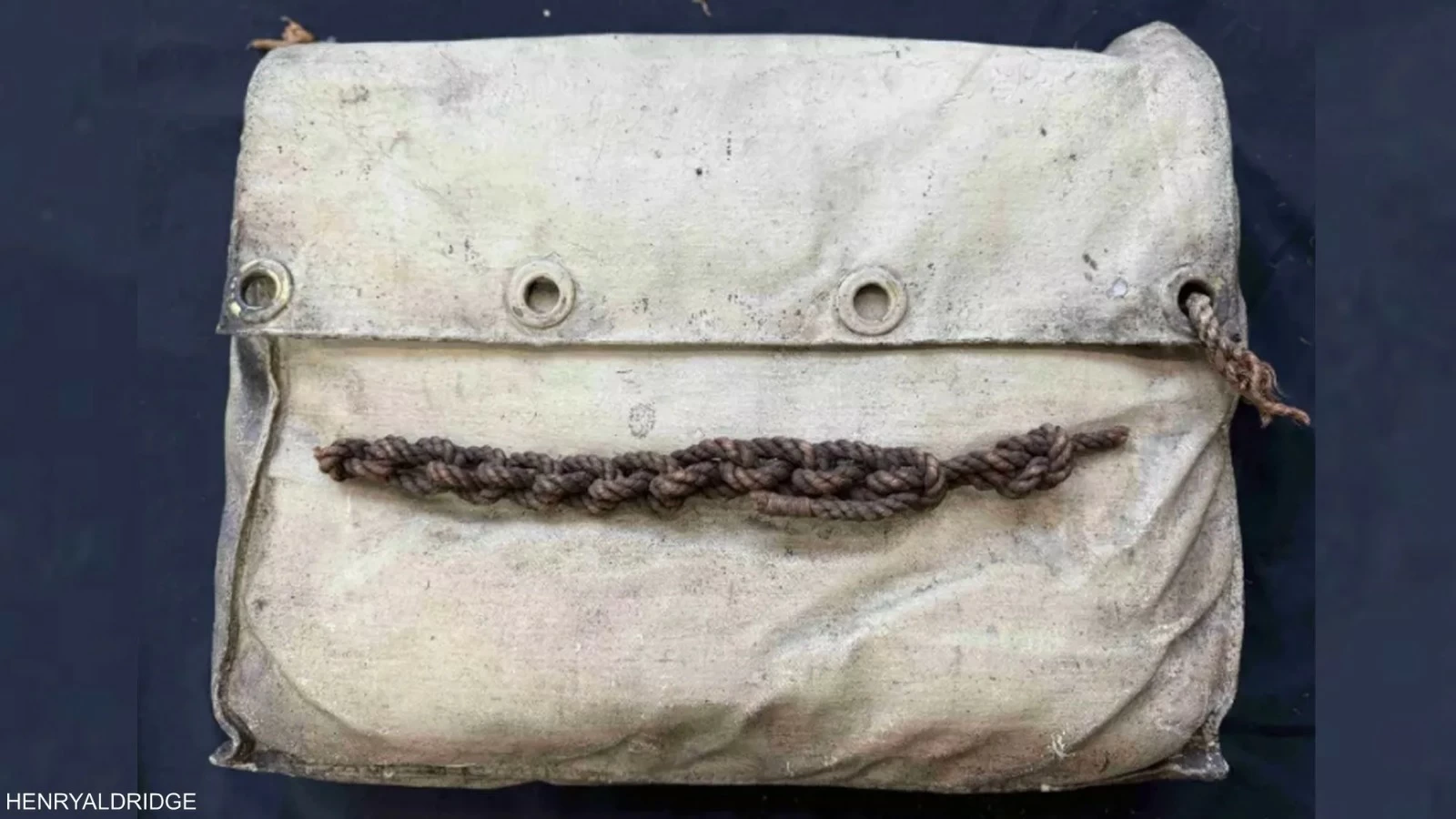
The fabric cushion that was part of a lifeboat from the Titanic is one of the rare items to be auctioned publicly, with an expected value of £180,000 (approximately $238,000). Auction organizers have described this opportunity as a "once-in-a-lifetime" chance for collectors of historical memorabilia.
The cushion comes with the original lifeboat plaque bearing the logo of the White Star Line, along with four intact copper rings, a piece of original ship rope, and official documents verifying its authenticity. This piece is among the rare three-dimensional artifacts directly associated with the lifeboats that transported survivors to the rescue ship Carpathia.
Event Details
The story of the cushion traces back to Richard William Smith, a tea and coffee importer from London, who was aboard the Titanic en route to meet his merchant friend T.J. Matthews in New York. Tragically, Smith perished in the disaster that occurred on April 14, 1912, and his body was never identified among the approximately 1,500 victims.
The auction will be organized by Henry Aldridge & Son in Devizes, Wiltshire, on April 18, where auctioneers have confirmed that the presence of the original plaque with the cushion makes it an "unprecedented" piece, especially as it is clearly visible in historical photographs taken by Lewis Ogden during the raising of lifeboat number 2 onto the Carpathia.
Background & Context
The RMS Titanic sank in the North Atlantic Ocean after colliding with an iceberg during its maiden voyage from Southampton to New York. The ship carried over 2,200 people and did not have enough lifeboats for nearly half of the passengers, leading to one of the largest maritime disasters in modern history.
The catastrophe shocked the world and resulted in significant changes to maritime safety laws, as artifacts associated with the Titanic have become some of the most valuable items in the auction world, particularly those with strong historical provenance like this cushion.
Impact & Consequences
Henry Aldridge & Son is known for specializing in Titanic auctions, organizing major sales twice a year that attract collectors and museums from around the globe. Three-dimensional items such as cushions and luggage often fetch record prices due to their rarity.
These auctions demonstrate how history can influence the financial value of objects, as items linked to the Titanic disaster are among the most sought after in the market.
Regional Significance
These events highlight the importance of preserving history and cultural heritage, as historical artifacts can serve as a means to educate new generations about maritime disasters and their impact on humanity. Additionally, the interest in collecting these items can enhance the culture of artifact collection in the Arab world.
In conclusion, these auctions reflect not only the value of artifacts but also the significance of history in shaping collective consciousness, making it a topic worth following.