Australian Prime Minister Anthony Albanese announced today, Monday, a 50% reduction in fuel tax, a move aimed at easing the burdens on drivers suffering from rising gasoline prices due to the ongoing war in the Middle East. Albanese confirmed that this decision is part of the government's response to the economic pressures faced by Australian citizens.
During a press conference, Albanese stated, "Gasoline prices will decrease starting today, as we recognize the immense pressures faced by Australians." Currently, Australia imposes a tax of 31 cents per liter (equivalent to 33 cents in USD) on gasoline, which will be halved for a period of three months.
Details of the Announcement
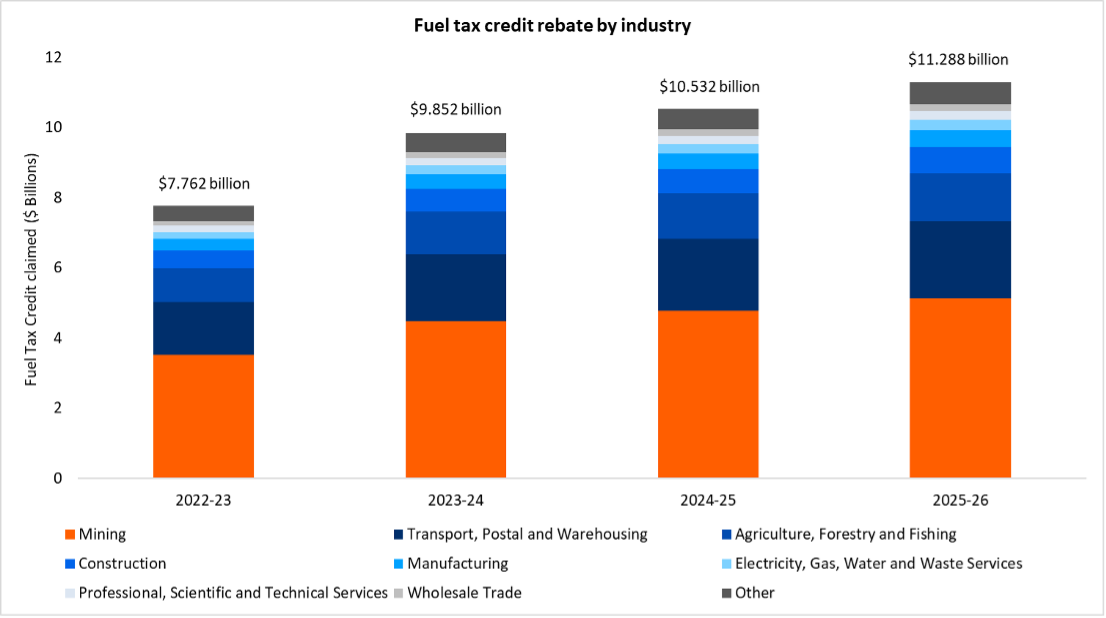
Government officials reported that this measure will cost the Australian government approximately AUD 2.5 billion (equivalent to USD 1.7 billion). The government also announced a reduction in trucking costs by lowering road fees for heavy vehicles, reflecting its commitment to alleviating financial burdens on citizens.
In an effort to reassure drivers, the Australian government confirmed that fuel shipments continue to flow normally, noting that gasoline shortages in some rural towns are due to panic buying as well as logistical issues.
Additionally, the states of Victoria and Tasmania in the south of the country have announced free public transport, reflecting the government's efforts to support citizens during this challenging time.
Background & Context
These measures come at a time when the world is witnessing a significant rise in energy prices, due to geopolitical tensions and wars in various regions, including the Middle East. The war in Ukraine and its repercussions on energy markets have increased pressure on fuel prices in many countries, including Australia.
Historically, Australia has relied heavily on oil imports, making it vulnerable to fluctuations in global prices. In recent years, the country has seen several attempts to bolster its fuel reserves, especially amid recurring global crises.
Impact & Consequences
The reduction in fuel tax is expected to ease the financial burdens on Australian families, potentially leading to increased domestic consumption. This step may also enhance citizens' confidence in the government and its ability to handle economic crises.
However, challenges remain, as the Australian government must closely monitor fuel prices and ensure that supply shortages do not occur, especially in rural areas that are under significant pressure.
Regional Significance
Arab countries are directly affected by rising oil prices, as many of these nations are major producers and exporters of oil. Therefore, any changes in fuel prices in major countries like Australia could impact global markets, reflecting on the economies of Arab nations.
Moreover, geopolitical crises in the Middle East cast shadows over the stability of oil prices, making it essential for Arab countries to take proactive measures to protect their economies from potential fluctuations.
In conclusion, the Australian government's decision to reduce fuel tax represents an important step in addressing current economic challenges and reflects its commitment to supporting citizens during times of crisis.