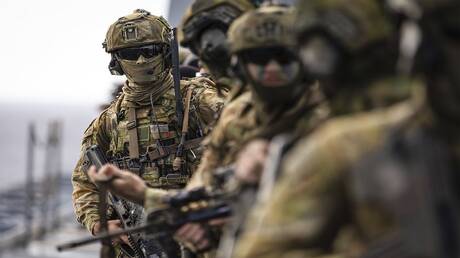
Australia has deployed a unit of special forces in the Middle East, as reported by the Daily Telegraph. This move comes amid rising concerns over escalating conflict with Iran, although the deployment has not been officially announced, raising questions about the true objectives behind this step.
These developments occur at a time when the Middle East is experiencing increasing tensions, particularly with the rise of Iranian military activities and growing fears of potential armed conflict. The deployment of Australian special forces is considered part of international efforts to address potential threats in the region.
Details of the Deployment
According to reports, the Australian unit has been deployed in a strategic area, where it is believed to enhance security and monitor Iranian activities. This step is part of military alliances that Western countries are seeking to strengthen in the region to confront increasing security challenges.
The Australian government has not provided any official details regarding the number of troops or the specific missions they will undertake, which adds to the ambiguity surrounding the objectives of this deployment. This action reflects Australia’s movements within its security strategy in the Middle East, which includes enhancing cooperation with traditional allies.
Background & Context
Historically, Australia has been part of military alliances in the Middle East, participating in multiple military operations since the beginning of the new millennium. As tensions between Iran and the West have escalated, Australia has become more active in the region, particularly in light of the threats posed by Iran to regional security.
In recent years, relations between Iran and Western countries have been severely strained, especially following the United States' withdrawal from the nuclear agreement. This withdrawal has led to an escalation of Iranian military activities, prompting Western countries to reassess their security strategies in the region.
Impact & Consequences
The deployment of Australian special forces could have significant implications for the security situation in the Middle East. It is likely to increase tensions between Iran and Western countries, potentially provoking military responses from Tehran. Additionally, this step may bolster Australia’s position as a key supporter of Western policies in the region.
Furthermore, these developments could increase pressure on neighboring countries, potentially exacerbating security conditions in the area. The presence of foreign troops may also stir nationalist sentiments among some Arab nations, complicating the political landscape.
Regional Significance
This Australian move is part of the geopolitical transformations occurring in the Arab region. With increasing foreign interventions, concerns are rising that the region may become a battleground for settling scores between major powers.
This event illustrates how regional conflicts can affect the stability of Arab nations, as these countries may find themselves forced to choose between supporting Western powers or facing Iranian threats. Moreover, the presence of foreign troops could complicate peace and stability efforts in the region.
In conclusion, the question of the true objectives behind the deployment of Australian special forces remains open, as does whether this step will enhance security or further complicate the situation in the Middle East.