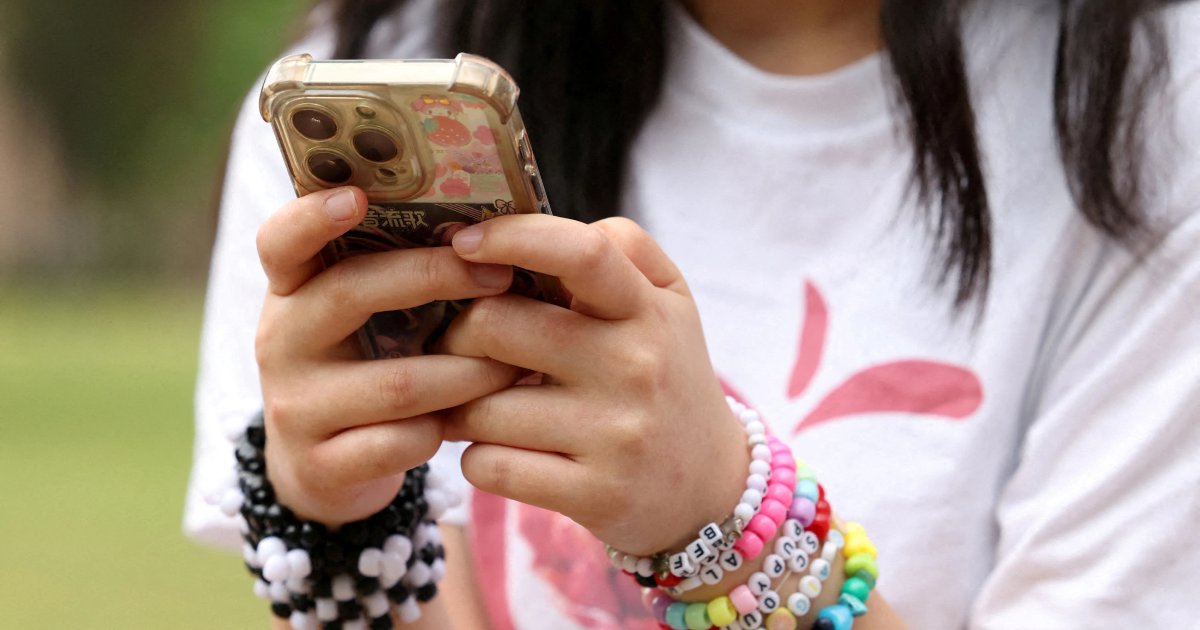
The Australian Internet Regulator announced on March 31 that it has begun investigations into five of the largest social media platforms, suspecting their non-compliance with a new law that bans the use of these platforms by individuals under the age of 16. This investigation includes well-known platforms such as Facebook, Instagram, Snapchat, TikTok, and YouTube, and serves as a strong signal from the Australian government that companies may face enforcement actions under this unprecedented regulatory framework.
In a statement, the Australian eSafety Commissioner, Julie Inman Grant, confirmed concerns regarding the compliance of these platforms with the law, noting that some platforms may not be doing enough to ensure adherence to Australian laws. She explained that the regulator has started gathering evidence in preparation for potential penalties against these platforms.
Details of the Investigation
Social media platforms face fines of up to 49.5 million Australian dollars (approximately 34 million US dollars) for non-compliance with the law. The regulator warned that these companies could suffer reputational damage if proven to have violated the law. Initial investigations have revealed significant gaps in how platforms are complying with this ban, including failing to require children who declared their ages as under 16 to undergo new age verification tests, allowing repeated attempts at age verification until a child receives a result indicating they are over 16, and having inadequate methods for reporting accounts belonging to minors.
Each platform has been informed of the specific concerns and expectations regarding performance improvement. While TikTok declined to comment, immediate responses were not available from representatives of Facebook, Snapchat, and Google.
Background & Context
This move comes at a time of growing global concern about the impact of social media on children and teenagers. Increasing reports about the effects of these platforms on children's mental health have led to heightened calls from governments and communities to protect vulnerable groups. Australia is considered a leading country in this area, seeking to establish new standards that other nations may adopt in the future.
In recent years, we have seen several countries take similar steps, imposing restrictions on social media use by minors in various nations, reflecting a shift in how governments are addressing these issues. There is also a growing global interest in the issue of children's digital safety, making it essential to have clear and stringent laws to protect vulnerable populations.
Impact & Consequences
If investigations prove these platforms' non-compliance with the laws, it could lead to substantial fines, potentially affecting the business models of these companies. This situation may also open the door for other governments to adopt similar laws, fundamentally altering how social media operates worldwide.
This step could lead to stricter oversight of content directed at children, contributing to improved digital safety for them. However, these platforms may face significant challenges in implementing these laws without impacting freedom of expression and internet usage.
Regional Significance
Although this event pertains to Australia, it has potential implications for Arab countries. With the increasing use of social media in the region, there is a pressing need to establish laws that protect children and teenagers from potential risks. Australia's actions may encourage Arab nations to consider how to better regulate the use of these platforms, enhancing digital safety in Arab communities.
In conclusion, this investigation represents an important step towards enhancing digital safety for children and reflects the Australian government's commitment to protecting vulnerable groups. As global concerns about the impact of social media continue to rise, it is expected that governments will continue to take similar steps to ensure children's safety online.