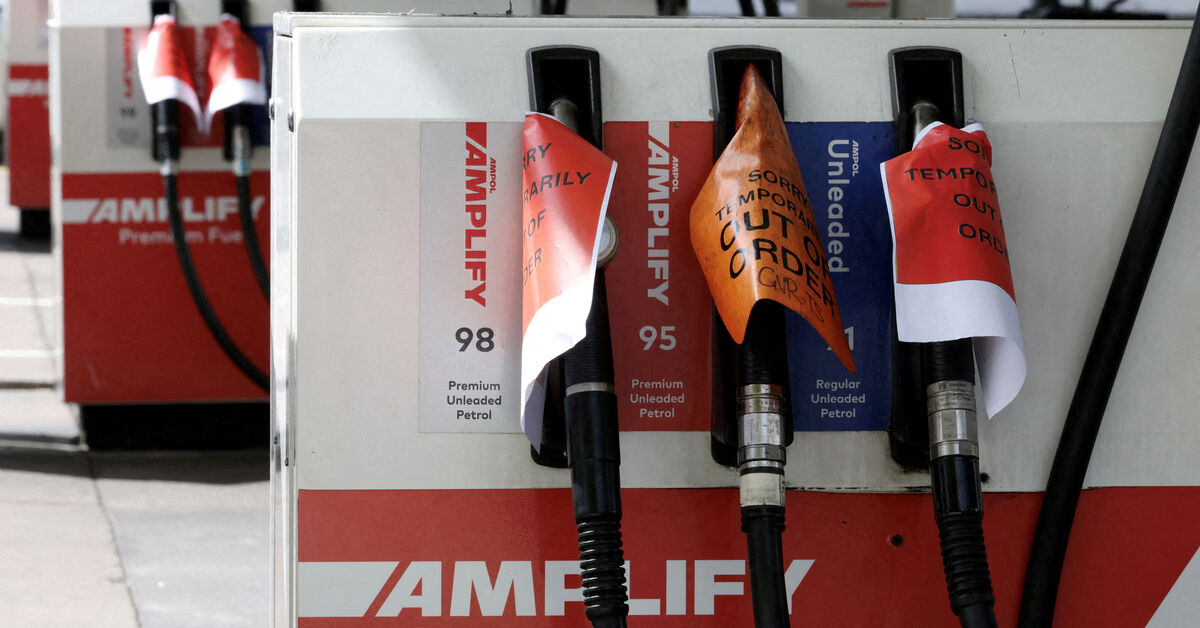
Australia has announced plans to amend foreign funding laws to bolster fuel security amid ongoing impacts from the war in Iran. Prime Minister Anthony Albanese stated that the country, which imports about 90% of its fuel, has been facing local shortages since the onset of American and Israeli attacks on Iran.
This move comes at a sensitive time, as military operations in the Middle East have led to significant disruptions in global fuel supplies, directly affecting Australia, which heavily relies on imports to meet its energy needs. Albanese noted that these amendments aim to ensure the stability of local supplies and enhance the country's ability to face any future crises.
Details of the Announcement
In remarks made on Saturday, Albanese clarified that the Australian government will conduct a comprehensive review of foreign funding laws, including how to support projects that enhance local fuel production. He emphasized that these amendments will help reduce reliance on imports, especially under the current conditions facing global markets.
He also pointed out that Australia is facing significant challenges due to ongoing conflicts in the Middle East, which are affecting fuel prices and availability. The country has experienced shortages of certain fuel types over the past month, prompting the government to take swift action to ensure market stability.
Background & Context
Historically, Australia has relied on importing fuel from several countries, including those in the Middle East. With rising tensions in the region, it has become essential for the Australian government to seek alternative solutions to enhance energy security. The war in Iran, which has escalated over the past few weeks, has heightened concerns regarding the stability of fuel supplies.
This step is part of a broader strategy aimed at enhancing national security by improving energy infrastructure and increasing reliance on domestic sources. These amendments could represent an opportunity for Australia to develop new projects in the renewable energy sector, potentially reducing dependence on fossil fuels.
Impact & Consequences
The Australian government anticipates that these amendments will improve the country's economic situation by creating new job opportunities in the energy sector. Additionally, boosting local production could help reduce costs for consumers, thereby enhancing the purchasing power of Australian households.
However, the government may face challenges in implementing these amendments, particularly amid political and economic pressures. These steps could lead to increased tensions with oil-exporting countries, potentially affecting trade relations.
Regional Significance
Australia is considered one of the countries directly affected by conflicts in the Middle East, especially given its significant reliance on imports from the region. Current tensions may impact global oil prices, which directly reflects on oil-producing Arab nations.
This move may also signal new trends in Australian policy towards the Middle East, as the government seeks to reduce dependence on imported oil from conflict-affected countries. This shift could open up new opportunities for cooperation between Australia and Arab nations in the fields of renewable energy.
In conclusion, these amendments represent an important step towards enhancing energy security in Australia at a time when global challenges are increasing. It is crucial for Arab nations to monitor these developments, as they could impact oil markets and trade relations in the future.