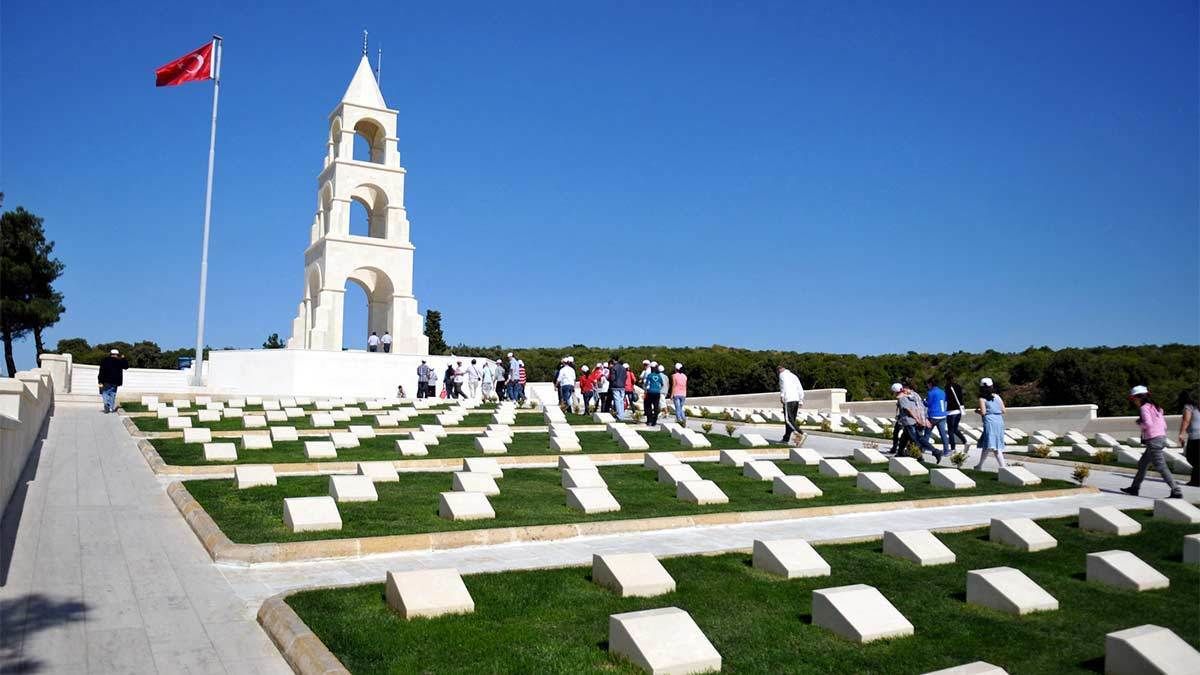
Australia and New Zealand convened in Turkey to commemorate the Gallipoli Campaign, which took place during World War I, where soldiers who lost their lives were honored. This event, regarded as an annual tradition, reflects the significance of the commemoration in the history of both nations and strengthens cultural ties between them.
Hundreds of Australian and New Zealand citizens gathered at the battle site, where official ceremonies were organized, including speeches and the laying of flowers. Participants emphasized the importance of this remembrance in raising awareness about the history of the war and its impact on national identity.
Event Details
The event included several segments, featuring speeches from military leaders and diplomats, along with a military display highlighting the courage and sacrifices made by the soldiers. Candles were lit in memory of the fallen soldiers, adding an emotional touch to the ceremonies.
The Gallipoli Campaign is considered one of the most famous battles of World War I, occurring between 1915 and 1916, with significant involvement from Australian and New Zealand forces. The battle was part of a larger campaign aimed at opening a new front against the Ottoman Empire.
Background & Context
Historically, the Gallipoli Campaign is viewed as a turning point in the history of Australia and New Zealand, contributing to the formation of the national identities of these countries. After the war, April 25th became celebrated as ANZAC Day, a day dedicated to honoring the soldiers who served in the armed forces.
It is noteworthy that this commemoration is not limited to Australia and New Zealand but also includes other nations that participated in the war, reflecting the global impact of World War I.
Impact & Consequences
This ceremony illustrates the importance of collective memory and its influence on national identity. Such events are seen as opportunities to renew commitment to the values defended by soldiers, such as courage and sacrifice.
Moreover, the commemoration contributes to strengthening international relations among nations, showcasing mutual appreciation for the sacrifices made by soldiers in the pursuit of freedom and peace.
Regional Significance
Although this event focuses on Australia and New Zealand, it carries broader implications regarding historical memory in the Arab region. Wars and conflicts are part of the history of many Arab nations, making the commemoration of memories essential for enhancing historical awareness.
These events can be viewed as a call for Arab countries to promote a culture of memory and history, emphasizing the importance of learning from the past to build a better future.