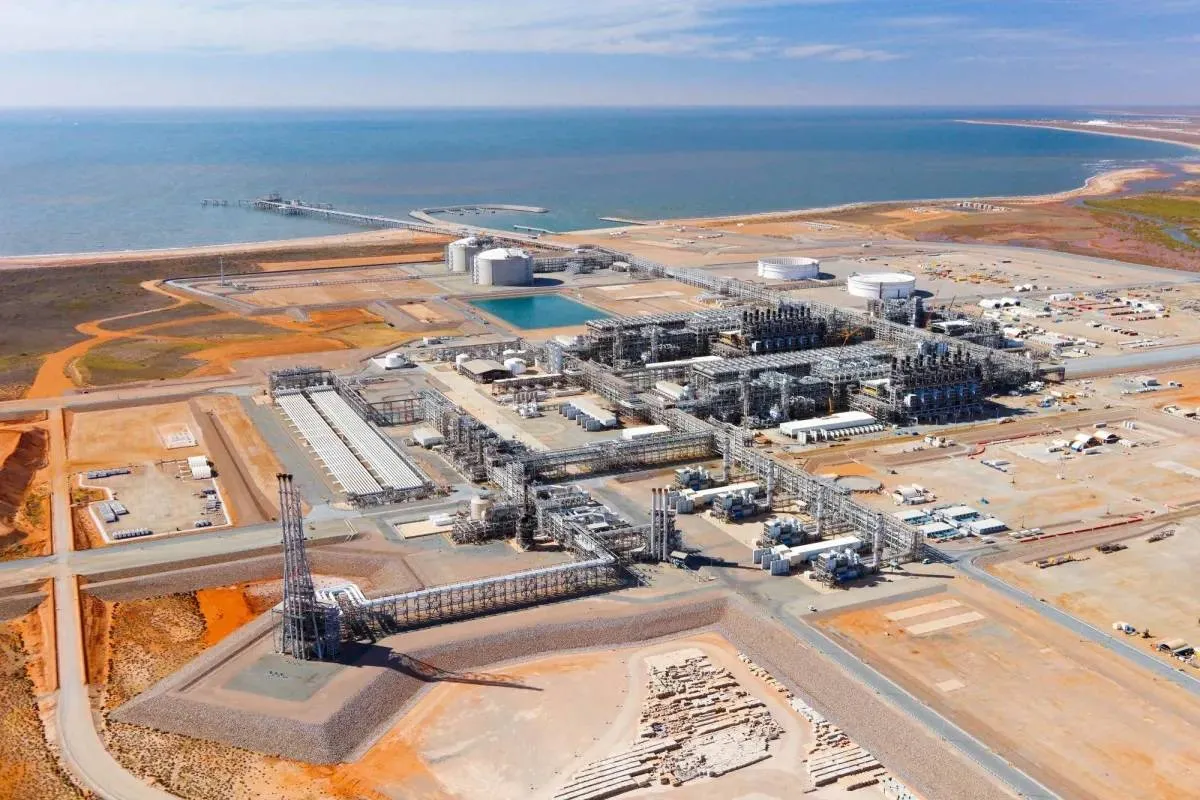
Australia has announced the start of an investigation to review taxes imposed on oil and gas companies like Chevron and Woodside, as energy prices soar to record levels due to the conflict in Iran. This decision comes amid widespread debate on how to address the significant profits these companies are making from the sharp rise in energy prices.
The Australian Senate committee approved on Monday the formation of a select committee to review the tax treatment of oil and gas companies, with representatives from the ruling Labor Party supporting the proposal put forward by the Greens Party. The committee will be chaired by Senator Steve Hodginz May from the Greens, who has called for a tax of at least 25% on gas exports. This proposal could generate revenue for the public treasury of around AUD 17 billion (USD 11.6 billion) annually.
Details of the Investigation
Pressure is mounting on the Australian government to increase taxes on natural resource exports, as global prices have risen due to the conflict in Iran, leading to increased profits for major oil and gas producers. Some politicians, labor unions, and advocacy groups have called for an extraordinary profits tax on these companies, given their significant benefits from the sharp rise in global energy prices.
Larissa Waters, leader of the Greens Party in the Senate, stated, "This investigation will put the tax treatment of wealthy gas companies under the microscope, and these companies should not benefit without giving back." She emphasized that the Australian public is struggling to pay bills amid rising living costs.
Background & Context
Australia is one of the largest exporters of liquefied natural gas in the world, and in recent years, there has been a notable increase in global energy demand. However, the rise in global prices due to geopolitical conflicts, such as the one in Iran, has significantly impacted the Australian market, putting increasing pressure on the government to raise taxes on major companies.
This move comes at a sensitive time, as many countries seek to boost their revenues by imposing higher taxes on companies that are making substantial profits amid global crises. Analysts suggest that such measures may be necessary to achieve budget balance and enhance economic sustainability.
Impact & Consequences
If the proposal to impose a new tax on energy companies is implemented, it could significantly increase government revenues, allowing the government to invest this money in improving public services and assisting low-income families. However, there are concerns that raising taxes could negatively affect corporate investments in the energy sector, potentially leading to reduced production and higher prices for consumers.
Some analysts believe that this move may provoke backlash from major companies, which may seek to pressure the government to ease tax restrictions. At the same time, these measures could enhance public support for the government, especially amid the challenging economic conditions faced by citizens.
Regional Significance
Australia serves as a model for how to address taxation issues for energy companies, and this step may inspire other countries, including Arab nations, that face similar challenges in managing their natural resources. With rising energy prices, Arab countries may seek to reassess their tax policies to ensure they maximize the benefits from their resources.
In conclusion, the issue of taxation on oil and gas companies in Australia remains a vital topic that requires close monitoring, as these decisions could impact both the Australian and global economies.