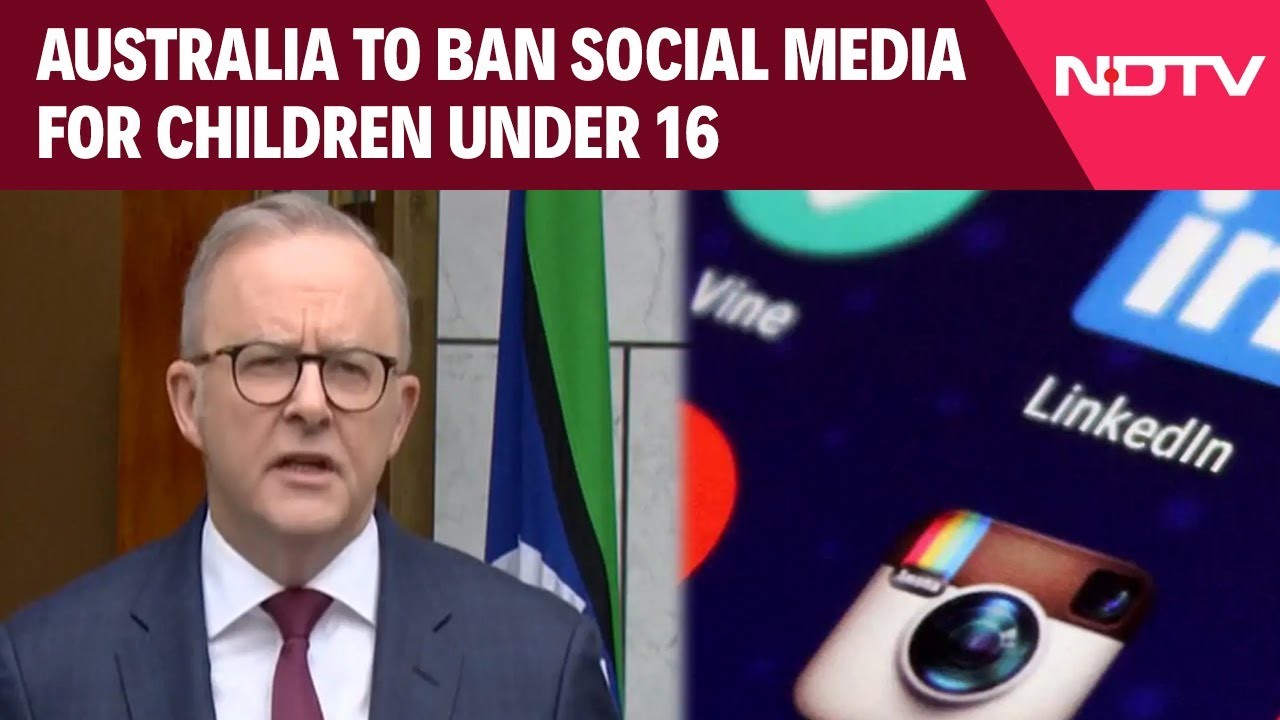
The Australian government has announced that major social media platforms, including Meta, Snapchat, TikTok, and YouTube, have not fully complied with the ban on creating accounts for children. This announcement highlights the significant challenges governments face in regulating children's internet use and protecting them from potential risks.
These statements come as part of Australia's efforts to enhance children's safety online, as the government seeks to implement stricter laws to ensure that children are not exposed to inappropriate content or privacy-related risks.
Details of the Announcement
According to reports, these platforms have not taken adequate measures to ensure that children under the age of 13 do not register, which is the minimum age allowed for creating accounts on most of these networks. Officials indicated that some of these platforms still allow children to create accounts using misleading or fake information.
In this context, the Australian government confirmed that it would work on imposing penalties on these companies if they continue to fail to comply with existing laws. It also called for the necessity of cooperation between these companies and local authorities to ensure children's safety.
Background & Context
Concerns about children's safety online have increased in recent years, especially with the rise of smartphone usage and social applications. Studies have shown that children using these platforms are exposed to multiple risks, including cyberbullying, exposure to inappropriate content, and privacy issues.
In 2021, Australia enacted a new law aimed at protecting children online, requiring companies to take strict measures to safeguard young users. However, it appears that the actual enforcement of these laws still faces significant challenges.
Impact & Consequences
This issue is significant not only for Australia but for all countries facing similar challenges in protecting children online. As technology use increases, it becomes essential for governments to devise effective strategies to shield children from digital risks.
If companies continue to be noncompliant, it could lead to a loss of trust from users and parents, negatively affecting the reputation of these platforms. Furthermore, a lack of stringent action may prompt governments to impose stricter laws, which could impact how these companies operate in the future.
Regional Significance
The issue of protecting children online is also crucial in the Arab region, where the number of children using the internet daily is on the rise. With the increasing potential risks, Arab governments must take similar steps to ensure children's safety online.
Arab countries can benefit from international experiences in this field, working to develop specific laws for child protection and enhancing cooperation between governments and technology companies to ensure a safe environment for children.
Protecting children online is not solely the responsibility of governments; it also requires cooperation from technology companies and society as a whole. There must be joint efforts to ensure children's safety and provide them with a secure digital environment.