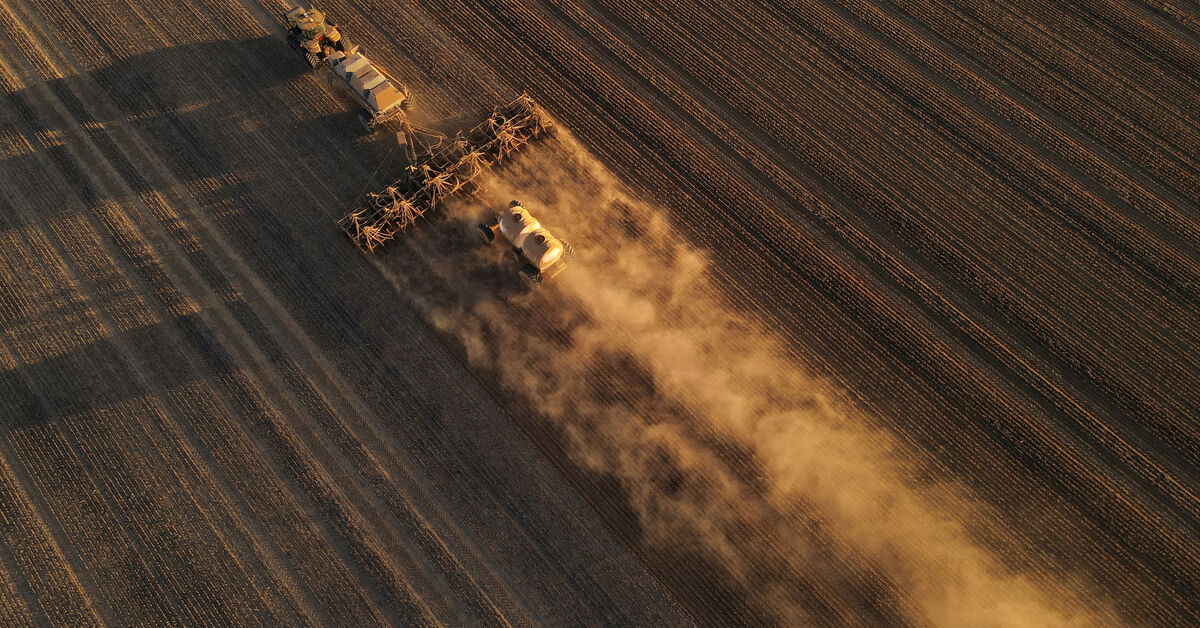
Australian farms are increasingly opting to grow less fertilizer-intensive crops such as barley, instead of wheat and canola, in light of the rising costs of fertilizers and fuels due to the war in Iran. The planting season for wheat, canola, and other crops in Australia is expected to begin this month, as farmers need sufficient nutrients to support early growth.
Forecasts indicate that Australian farmers will face significant challenges in making planting decisions due to the sharp rise in fertilizer prices, which could impact crop productivity in one of the world's largest food-exporting countries.
Event Details
Australia is a leading country in the production and export of agricultural crops, with agriculture playing a vital role in the national economy. As the planting season begins, farmers are facing new challenges due to the high costs of fertilizers and fuels, which have been significantly affected by geopolitical events, including the war in Iran. This situation has prompted many farmers to consider planting less fertilizer-intensive crops like barley, which is seen as a more sustainable option under current conditions.
This shift in agricultural strategy demonstrates how external factors can influence farming decisions, as farmers strive to reduce costs and increase production efficiency.
Background & Context
Historically, Australia has heavily relied on the cultivation of wheat and canola, both of which are staple crops contributing to global food security. However, changes in climate and global fertilizer prices have led to a reassessment of these strategies. The war in Iran, which has caused fuel and fertilizer prices to rise, is a significant factor in this context, as these materials are essential for supporting crop growth in the early stages.
Concerns are growing that the continued rise in fertilizer costs may lead to a reduction in agricultural production in Australia, which could affect global markets and increase pressure on food prices.
Impact & Consequences
These changes in Australian agriculture could have wide-ranging effects on global markets. If farmers decide to reduce wheat and canola cultivation, it could lead to a shortage of these crops in global markets, potentially driving up prices and increasing pressure on importing countries.
Moreover, these changes may impact food security in many nations, especially those that rely on imports from Australia. Thus, Australian farmers are not only facing local challenges but also confronting global repercussions that could affect the stability of food markets.
Regional Significance
Arab countries are among the largest importers of wheat and food products from Australia, and therefore any changes in Australian production could directly affect food security in the region. With rising prices, Arab nations may face challenges in securing their food needs, which could lead to increased economic and social pressures.
In light of these circumstances, it is crucial for Arab countries to adopt strategies to enhance local agricultural production and reduce reliance on imports, which may help in addressing future challenges.