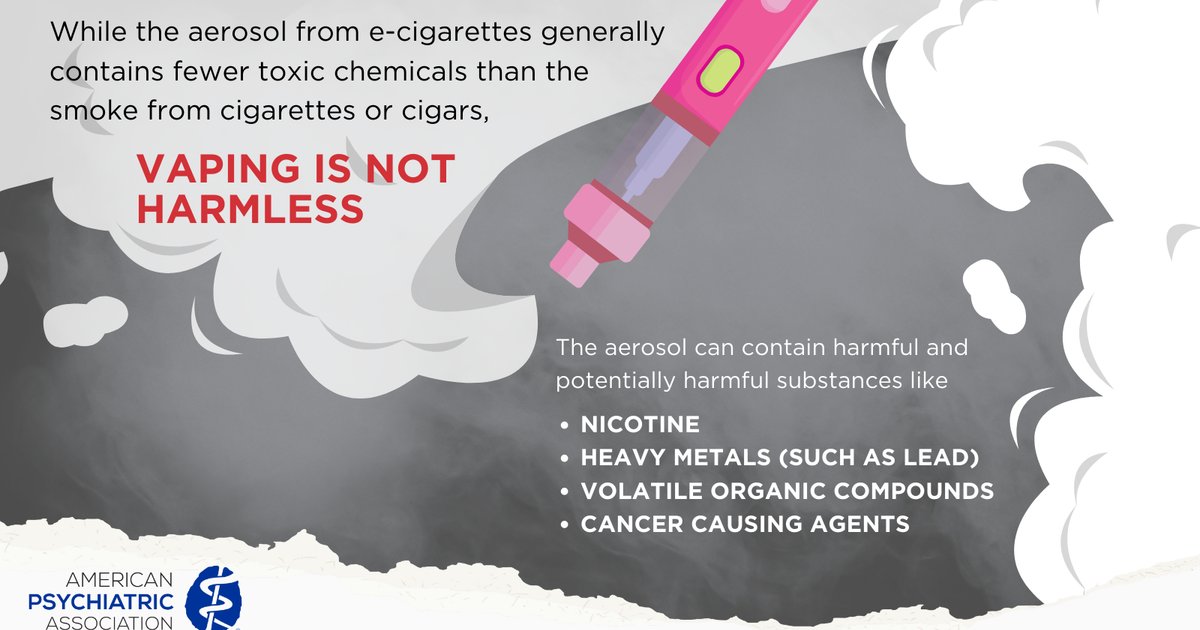
Australian health authorities have issued new warnings about the use of vaping devices, indicating they may cause lung and oral cancer. This warning comes at a time when the popularity of these devices is increasing among young people, raising concerns about their health effects.
In a recent report, the Australian Department of Health confirmed that scientific studies have shown links between vaping and an increased risk of certain types of cancer. Experts noted that the chemicals found in vaping liquids can be particularly harmful, containing ingredients such as nicotine and carcinogens.
Details of the Warning
Concerns about vaping are rising in Australia, as research has shown that using these devices may lead to changes in lung cells, increasing the likelihood of cancer. Previous studies have shown that smokers who switch to vaping remain at significant health risks, including heart and lung diseases.
The report also indicated that vaping is not a safe alternative to traditional smoking, as many believe its use is less harmful. However, increasing evidence suggests that vaping carries serious health risks, especially for young people who may become addicted to nicotine.
Background & Context
The popularity of vaping has surged in recent years, marketed as a safe alternative to smoking. However, many recent studies have proven the opposite, prompting governments to take stricter regulatory actions. In Australia, restrictions have been imposed on the sale of vaping products, especially to individuals under the age of 18, but challenges remain in enforcing these laws.
Historically, Australia has seen a decline in traditional smoking rates, but with the emergence of vaping, some experts are concerned that this trend may change. Studies have shown that vaping could serve as a gateway to traditional smoking, particularly among teenagers.
Impact & Consequences
The Australian warnings highlight the urgent need for measures to protect public health. Increasing awareness of the risks associated with vaping may change young people's behaviors, contributing to a reduction in the use of these devices. Additionally, these warnings may prompt governments to strengthen legislation regarding the sale and distribution of vaping products.
Globally, these warnings could impact the vaping market, as other countries may adopt similar policies. Furthermore, heightened awareness of the risks associated with vaping could lead to a decline in its popularity in global markets.
Regional Significance
In the Arab region, the use of vaping continues to rise, particularly among youth. The Australian warnings may raise awareness of the risks associated with these devices, potentially influencing smoking behaviors in Arab countries. Arab governments may need to consider implementing similar regulatory measures to protect public health.
In conclusion, the Australian warnings about vaping serve as a call to reflect on the health risks associated with these devices. It is essential for individuals to make informed decisions regarding vaping use and for governments to promote awareness and information about potential risks.