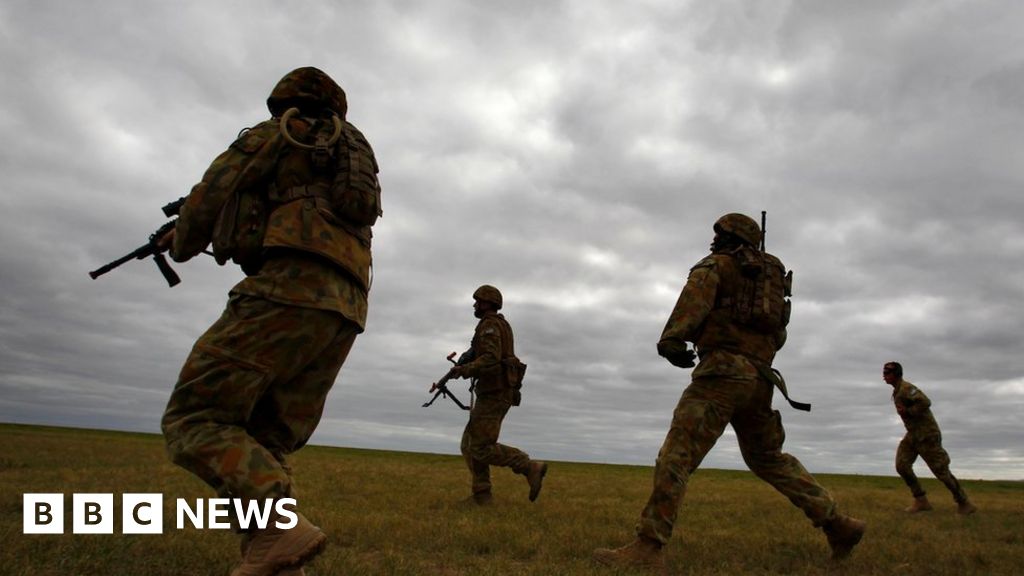
Australian authorities have charged a former soldier with five war crimes committed during his service in Afghanistan, in a move that reflects the Australian government's commitment to holding those involved in human rights violations accountable. This announcement comes at a sensitive time as the government seeks to bolster its credibility in the realm of human rights.
The accused soldier, whose name has not been disclosed, faces charges related to the killing of Afghan civilians in separate incidents. Investigations were conducted by a special unit of the Australian military police after complaints were received from former military personnel.
Details of the Allegations
Reports indicate that the alleged crimes occurred between 2012 and 2013, during the period of Australian forces' presence in Afghanistan. These incidents have been documented by eyewitnesses, raising international concern about the conduct of military forces in conflict zones. The accused soldier is one of several individuals being investigated in connection with this case.
These charges come at a time when Australia is facing increasing pressure from human rights organizations, which are demanding greater transparency and accountability regarding military operations. Several organizations have urged the Australian government to take strict action against any violations of human rights.
Background & Context
Historically, Australia has been part of the international coalition that intervened in Afghanistan following the events of September 11, 2001, with Australian forces deployed as part of counter-terrorism efforts. Over time, reports of human rights violations by military forces have emerged, sparking widespread debate within Australian society regarding the conduct of troops in conflict areas.
The scrutiny of Australian military actions has intensified, particularly as more allegations surface regarding the treatment of civilians and the rules of engagement followed by soldiers in combat situations. This has led to calls for a thorough examination of military practices and accountability measures.
Impact & Consequences
This case could significantly impact Australia's reputation on the international stage, as the Australian government may be compelled to take additional steps to ensure that such violations do not recur in the future. Furthermore, this case may open the door to further investigations into the conduct of Australian forces in Afghanistan, potentially leading to additional charges against other individuals.
The implications of this case extend beyond legal accountability; they also touch on the moral and ethical responsibilities of military forces operating in foreign nations. The outcome of this case may influence public perception and trust in the military and government institutions.
Regional Significance
The situation in Afghanistan remains complex, with ongoing challenges related to security, governance, and human rights. The allegations against the Australian soldier highlight the broader issues of military conduct and accountability in international operations. As Australia navigates its role in global security, the handling of this case will be closely watched by both domestic and international audiences.
In conclusion, the charges against the former Australian soldier represent a crucial moment in the ongoing dialogue about military ethics and accountability. The outcome of this case will not only affect the individuals involved but may also set a precedent for how similar cases are handled in the future.