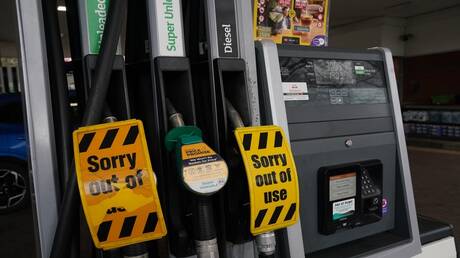
A recent survey by the Australian Financial Review reveals that a majority of Australians attribute the sharp rise in fuel and energy prices to US policies. This sentiment reflects growing anger and frustration among citizens regarding the impact of foreign policies on their daily lives.
The results show that approximately 65% of survey participants believe that US interventions in the Middle East, including sanctions on Iran, play a significant role in increasing energy prices. This opinion indicates rising concerns about the influence of international events on the local economy.
Details of the Event
These findings come at a time when Australia is experiencing an unprecedented rise in fuel prices, with prices exceeding AUD 2.20 per liter in some areas. Citizens are facing increasing financial pressures due to these hikes, prompting many to seek explanations for this rise.
These crises coincide with escalating geopolitical tensions in the region, as the United States continues to impose sanctions on Iran, which directly affects global oil prices. The Australian economy heavily relies on energy imports, making it vulnerable to fluctuations in global prices.
Background & Context
Historically, Australia has depended on traditional energy sources, but with the increasing demand for renewable energy, the Australian government has begun shifting towards new strategies. However, traditional fuel prices still burden citizens, especially under the current economic conditions.
It is noteworthy that Australian-American relations have always been strong, yet these relations face new challenges amid growing criticisms of US policies. Many Australians believe these policies negatively affect their daily lives.
Impact & Consequences
This growing sentiment of dissatisfaction is expected to have political repercussions in the near future, as political parties may reassess their positions regarding US policies. Additionally, this sentiment could increase pressure on the Australian government to take more independent steps in its foreign policy.
Moreover, these conditions may impact the Australian economy overall, as continued increases in fuel prices could lead to a decline in local consumption, adversely affecting economic growth.
Regional Significance
These developments are particularly significant for the Arab region, where oil prices play a pivotal role in Arab economies. As tensions in the Middle East persist, global oil prices may be affected, reflecting on the economies of Arab countries that heavily rely on oil exports.
Furthermore, the Australian response to US policies may encourage other countries to reassess their relationships with the United States, potentially leading to changes in geopolitical alliances in the region.
In conclusion, these results reflect the extent to which foreign policies impact the daily lives of citizens, highlighting the need for more sustainable and independent policies in addressing global issues.