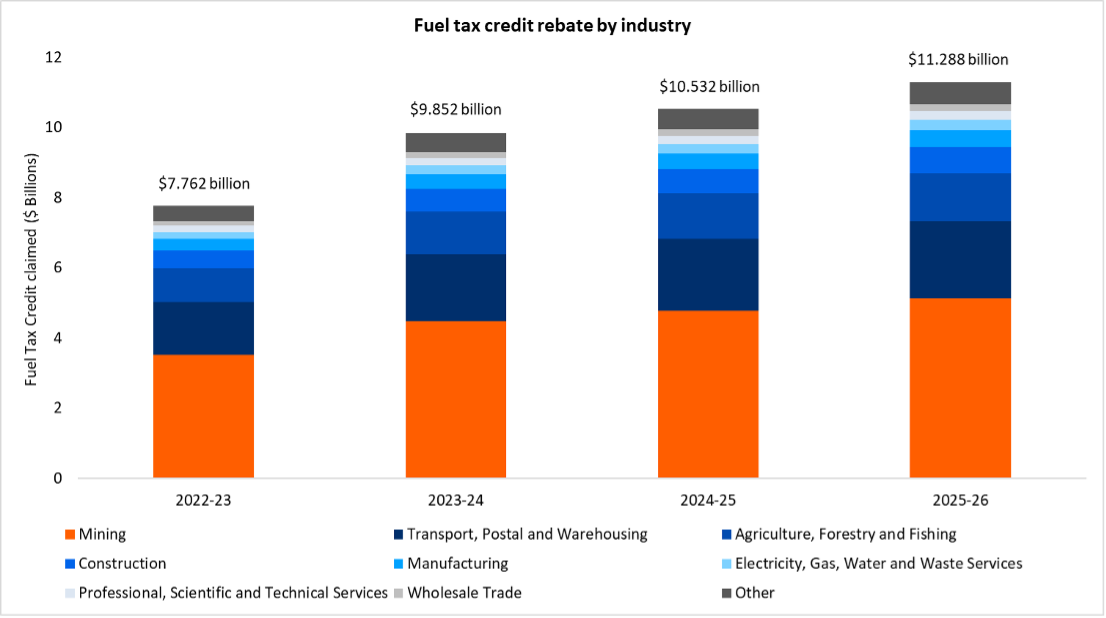
Australian Foreign Minister Penny Wong stated in a television interview that the impact of the government's decision to halve the fuel tax will take time to manifest in fuel prices for consumers. This decision comes at a time when Australia is experiencing a noticeable increase in living costs, prompting the government to take steps aimed at alleviating the financial burden on citizens.
Wong pointed out that the government is working to ensure that citizens benefit from this tax reduction as soon as possible, but the process may take some time before everyone feels its effects. This decision was made as part of a package of measures aimed at supporting Australian families in the face of current economic challenges.
Details of the Decision
The 50% reduction in the fuel tax is part of the Australian government's plan to combat rising energy and essential goods prices. This reduction reflects the government's commitment to easing the financial burdens on citizens, especially under the difficult economic conditions many are facing. According to reports, this decision will contribute to a gradual decrease in fuel prices, which will positively impact the budgets of Australian households.
This decision comes at a sensitive time, as many Australians are struggling with rising living costs, including food prices and rents. The government hopes that this reduction will help improve the financial situation of families, potentially leading to increased consumption and stimulating the economy.
Background & Context
Historically, Australia has experienced significant fluctuations in fuel prices, which have impacted the economy as a whole. In recent years, global oil prices have risen, leading to increased fuel costs in the country. The Australian government, facing pressure from citizens, decided to take drastic measures to alleviate these pressures.
The impact of the COVID-19 pandemic on the Australian economy has also played a significant role in exacerbating economic conditions. Many Australian families are struggling to meet their basic needs, prompting the government to take urgent steps to assist them. The fuel tax cut is one of these steps, but it is not the only solution.
Impact & Consequences
This decision is expected to have positive effects on the Australian economy in the long term. The reduction in the fuel tax may lead to an increase in consumption, which would boost economic growth. Additionally, this decision could encourage businesses to invest in the Australian market, potentially contributing to the creation of more job opportunities.
However, there are concerns that this reduction may not be sufficient to address all economic challenges. Some experts believe that the government needs to take further actions to support families, such as providing direct financial assistance or subsidizing food prices.
Regional Significance
Although this decision pertains to Australia, it may have implications that extend to the Arab region. Rising fuel prices in Australia could affect global oil prices, which may reflect on Arab markets. Oil-producing countries in the region may benefit from rising prices, but at the same time, importing countries may suffer from increased costs.
Furthermore, Australia's experience in addressing rising living costs may serve as a lesson for Arab countries facing similar challenges. It is crucial for Arab governments to adopt effective strategies to support their citizens in the face of difficult economic conditions.
In conclusion, the decision to cut the fuel tax in Australia represents an important step towards alleviating the financial burdens on citizens, but it requires time to show its true impact. Economic challenges remain, necessitating further government actions to support Australian families.